
Commercial Roofing Services
Commercial Roofing
Harrisburg, PA
Harrisburg, PA
Edge Metal, Coping, and Gutters in Harrisburg, PA
Edge Metal, Coping, and Gutter Work for Commercial Roofs
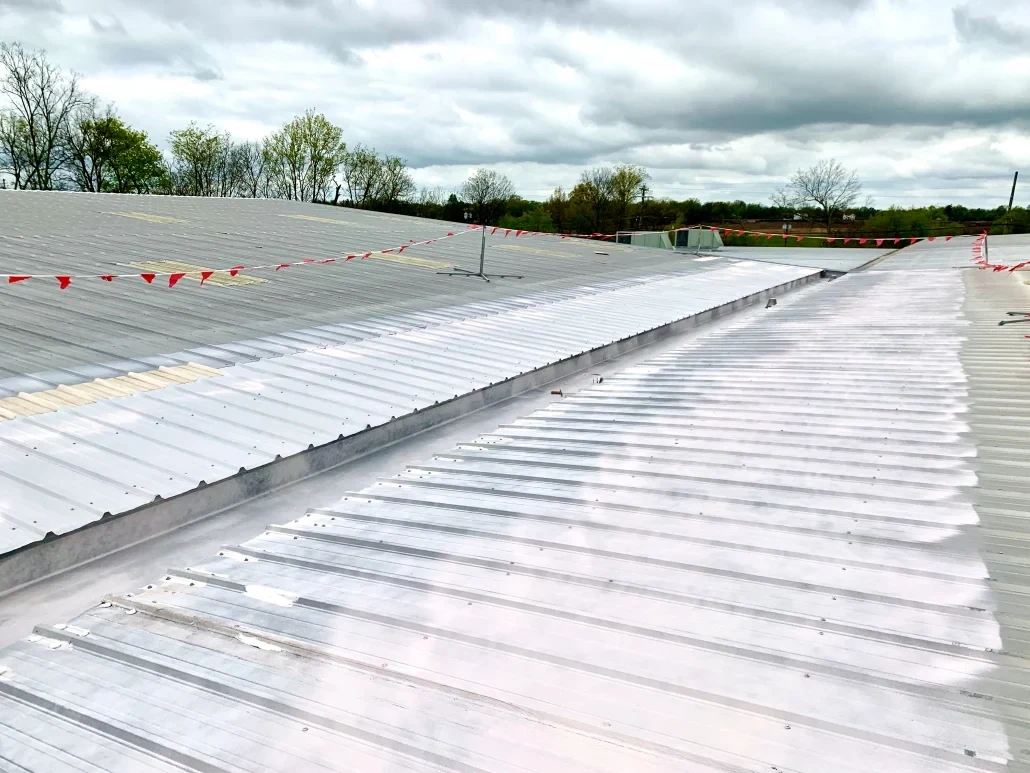
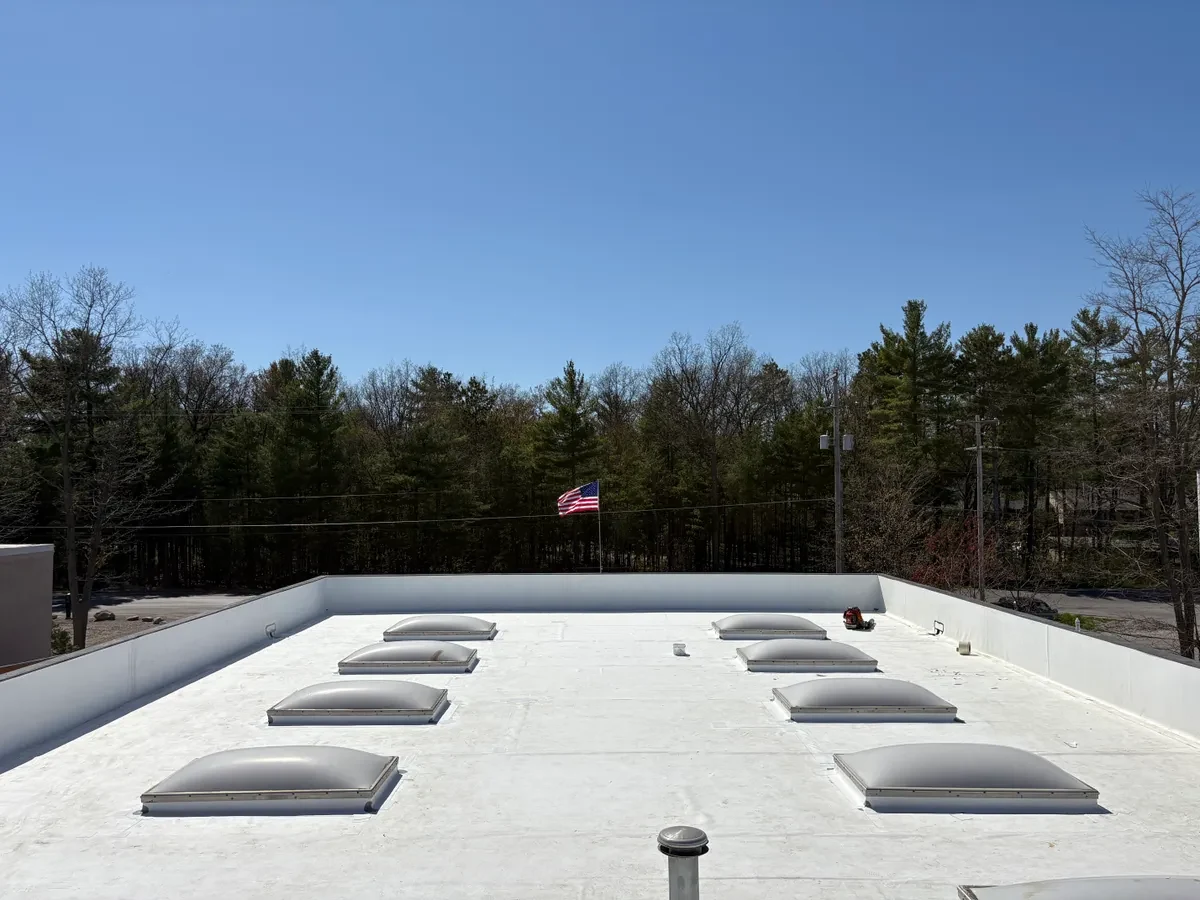
Roof edges fail before roof fields do. Wind uplift concentrates at the perimeter of any low-slope roof, and edge metal, parapet coping, and gutter systems are the details standing between that pressure and a membrane that pulls loose. We install and repair these systems on buildings throughout the Harrisburg region, from warehouse roofs in the Carlisle logistics belt to office buildings along the West Shore.
Why Edge Detail Is Where Roofs Actually Fail
Most roof failures that get blamed on the membrane actually start at the edge. Wind lifts under a gap in edge metal fastening, works the membrane loose from the perimeter inward, and what looks like a field membrane failure traces back to a coping seam or drip edge that wasn't fastened to spec. Central Pennsylvania's exposure to fast-building thunderstorm wind gusts and, less often, sustained wind from a tracking hurricane remnant means edge details here take real, sustained load over a roof's service life, beyond the occasional gust.
We install edge metal to ANSI/SPRI ES-1 wind design standards, matching fastener spacing and metal gauge to the building's height and exposure category rather than using a one-size approach across every project. A four-story government building near the Capitol complex faces different wind exposure than a single-story warehouse in Silver Spring Township, and the edge detail should reflect that difference.
Parapet Coping: The Detail That Fails After Winter
Parapet coping takes a beating from Central Pennsylvania's winter cycle. Wet, heavy snow accumulates against parapet walls, and repeated freeze-thaw works coping seams loose over a season or two even when the original installation was sound. We see this pattern often enough on buildings around the Susquehanna river valley that coping inspection is a standard part of any spring roof service call.
Replacement coping gets installed with concealed fastener systems and properly lapped, sealed seams designed to shed water rather than trap it against the parapet wall, which is the failure mode that causes the most repeat coping problems on older buildings in Lebanon and the smaller river boroughs.
Gutter and Downspout Systems on Sloped and Low-Slope Roofs
Not every commercial building in this region is flat-roofed. Retail strips, schools, and some office buildings carry sloped roof sections with conventional gutter and downspout systems, and those need sizing appropriate to the roof area they're draining and the rainfall intensity typical of Susquehanna valley thunderstorms. Undersized gutters overflow during a heavy summer downpour, sending water down the building face and into foundation areas rather than away from the structure.
- Edge metal installed to ANSI/SPRI ES-1 wind uplift standards
- Fastener spacing and metal gauge matched to building height and exposure
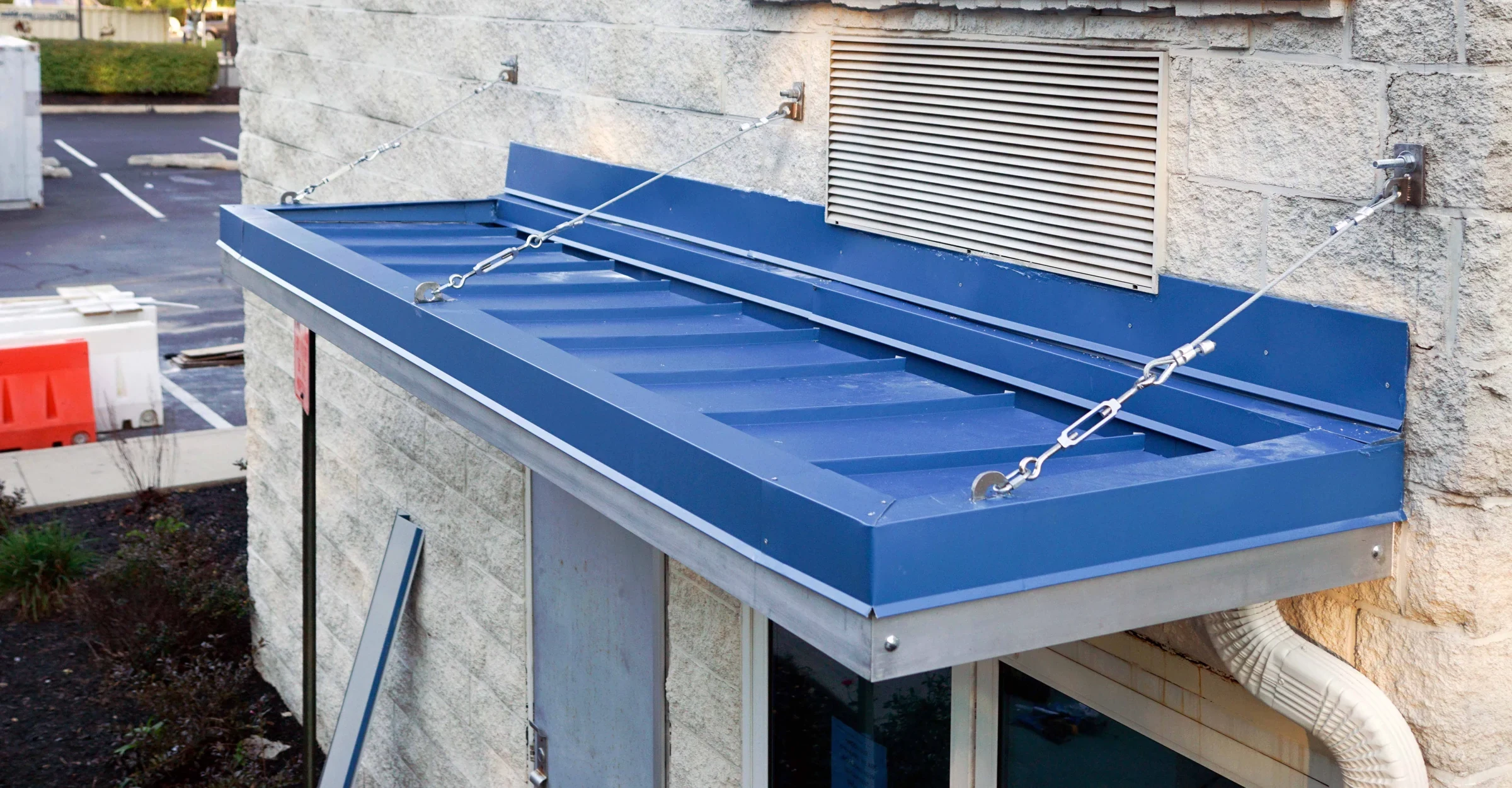
- Parapet coping with concealed fasteners and sealed lap seams
- Gutter and downspout sizing matched to actual roof drainage area
- Post-winter coping and edge inspection as standard spring service
- Compatible metal finishes matched to existing building appearance where repairing sections
Edge Metal on Reroofing and New Construction Projects
When we're involved in a full reroofing project on a distribution center or office building, edge metal and coping get specified and installed as part of the overall system, not treated as an afterthought once the membrane is down. This integrated approach matters because edge metal fastened into a membrane after the fact rarely performs as well as edge detail designed into the roof assembly from the start, and manufacturer warranties are more particular about edge detail than most building owners realize.
On new distribution construction in the Carlisle and Mechanicsburg corridor, we coordinate edge metal specification directly with the membrane manufacturer's requirements, since an edge detail that doesn't match the manufacturer's tested assembly can create a gap in warranty coverage even when the field membrane itself is installed correctly.
Repair Versus Full Replacement of Edge Systems
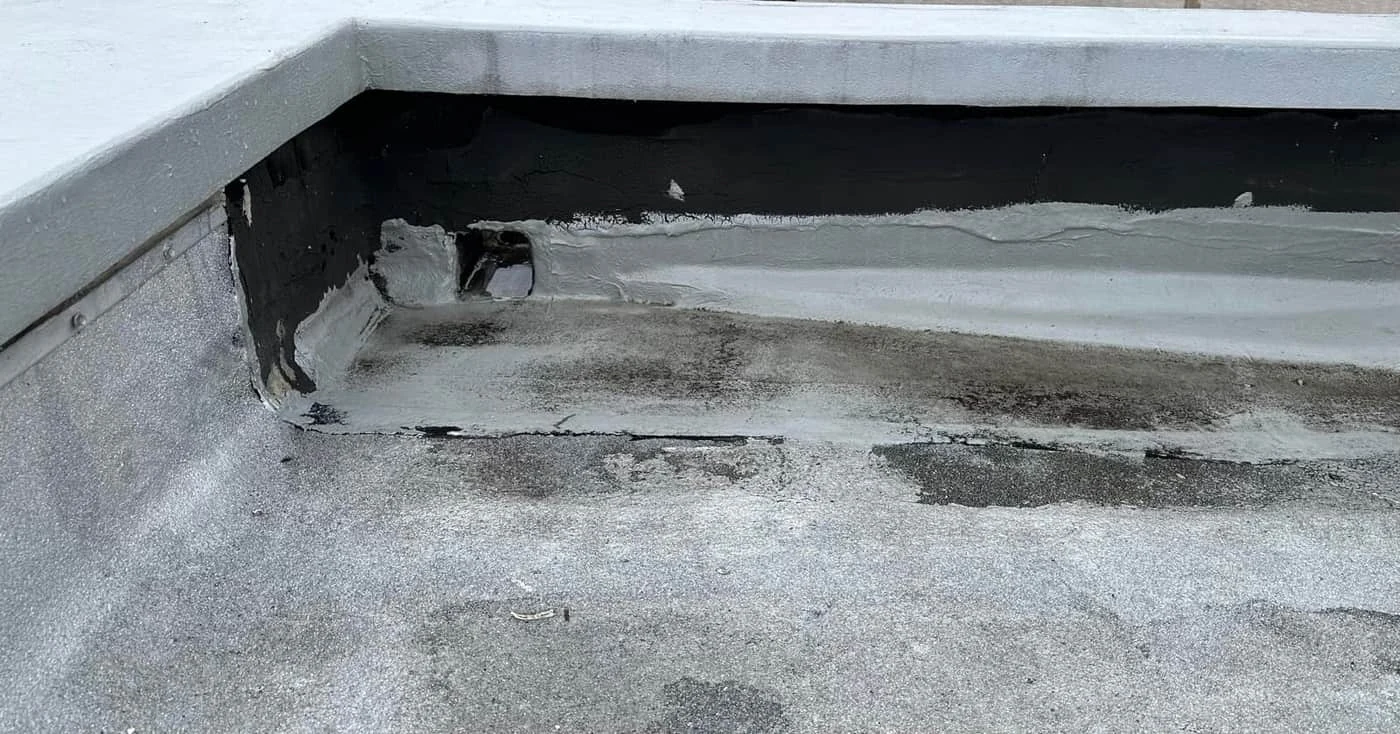
Localized coping or edge metal damage, from a wind event or simple age, often repairs in sections without disturbing the rest of the perimeter. We match repair sections to existing metal gauge, finish, and fastening pattern so the repair blends structurally even where it doesn't match cosmetically on an older building. Widespread coping failure, common on buildings that haven't had edge detail attention in a decade or more, usually makes more sense as a full perimeter replacement rather than a series of individual patches that will keep needing attention.
Edge Metal and Coping Questions
How do you know if edge metal is actually rated for wind uplift?
We check fastener spacing, metal gauge, and attachment method against ANSI/SPRI ES-1 standards for the building's specific height and wind exposure category. Older buildings often have edge metal that predates current wind design standards and needs upgrading during any reroofing project.
Why does parapet coping fail more than the roof membrane itself?
Coping sits at the most exposed part of the roof and takes direct hits from wind-driven rain, freeze-thaw cycling against accumulated snow, and thermal expansion and contraction that stresses seams over time. It's a smaller, more exposed component than the broad field membrane, so it shows wear sooner.
Can damaged coping be repaired without replacing the whole perimeter?
Yes, if the damage is isolated. We match new coping sections to the existing metal profile, gauge, and fastening pattern. Widespread deterioration across most of the perimeter is usually more cost-effective to replace as a full run rather than patch repeatedly.
Do gutters matter on a flat commercial roof?
Flat roofs typically drain through interior drains or scuppers rather than perimeter gutters, but buildings with sloped sections or eave overhangs still rely on gutters, and undersized systems overflow during the intense rain this region sees from summer thunderstorm cells.
How often should edge metal and coping be inspected?
At minimum once a year, ideally in spring after winter's freeze-thaw cycle, and again after any significant wind event. Edge detail failure often precedes visible membrane damage, so catching it early prevents a bigger repair later.