
Industries We Serve
Commercial Roofing
Harrisburg, PA
Harrisburg, PA
Food Processing & Cold Storage Roofing in Harrisburg, PA
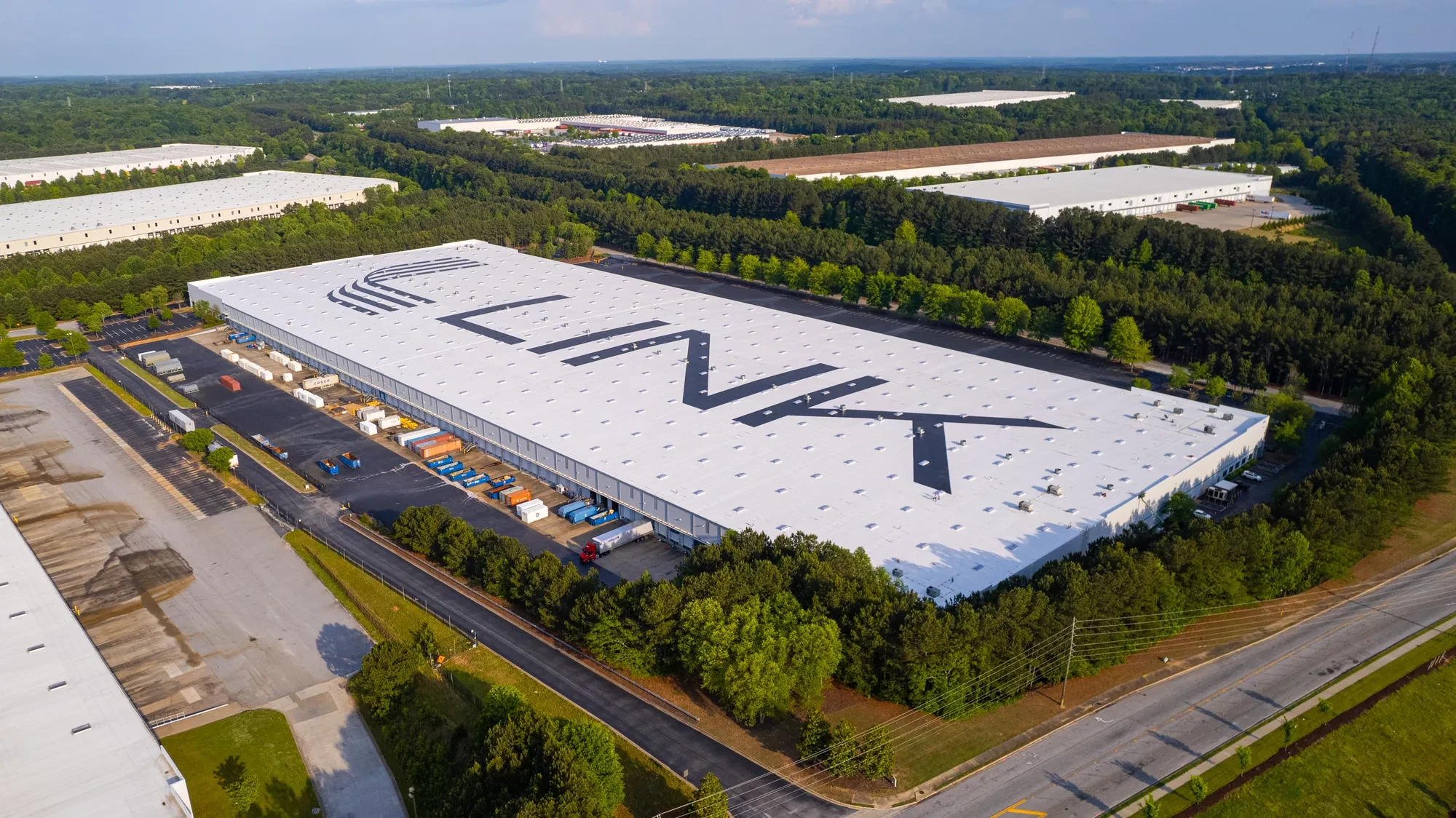
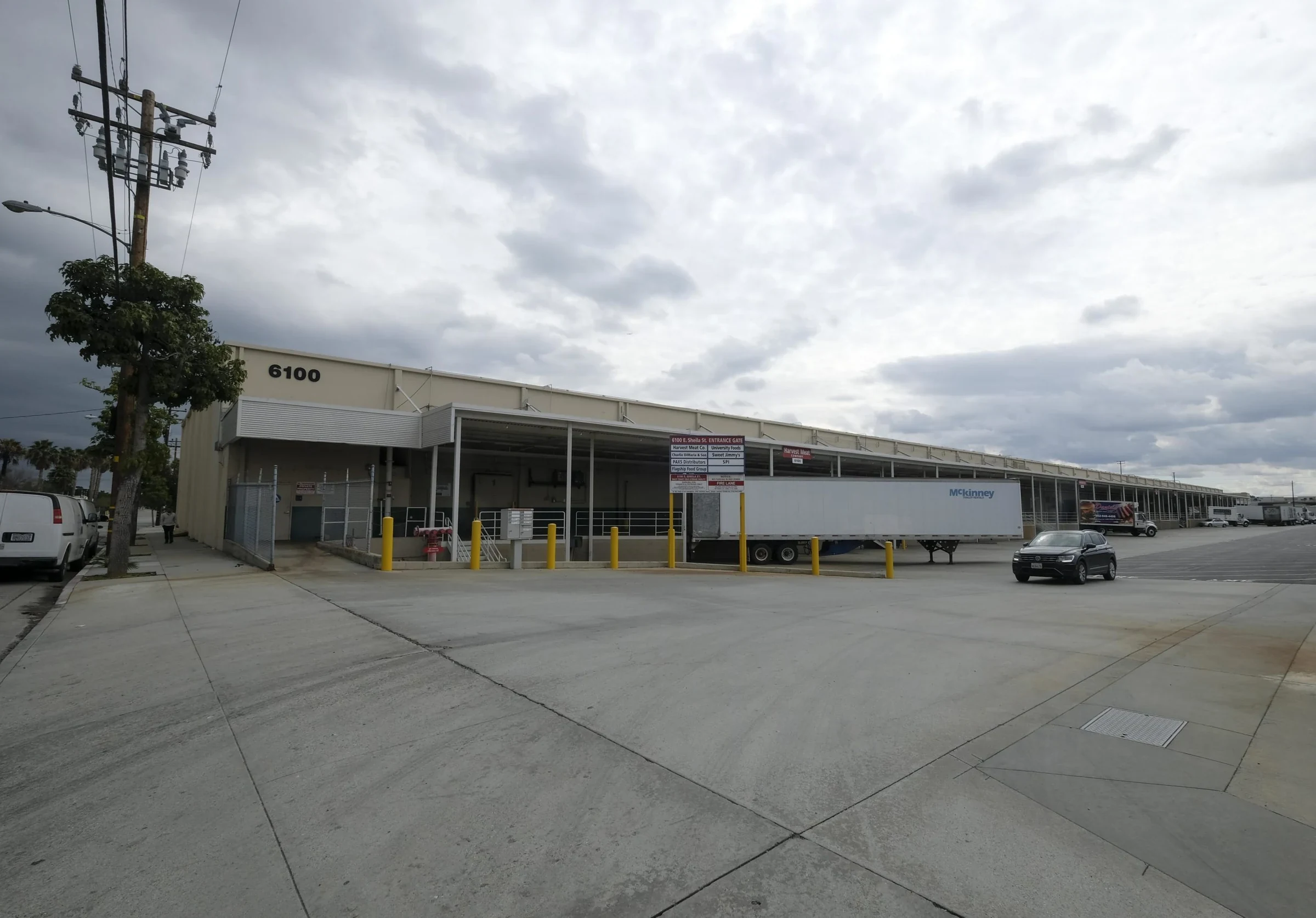
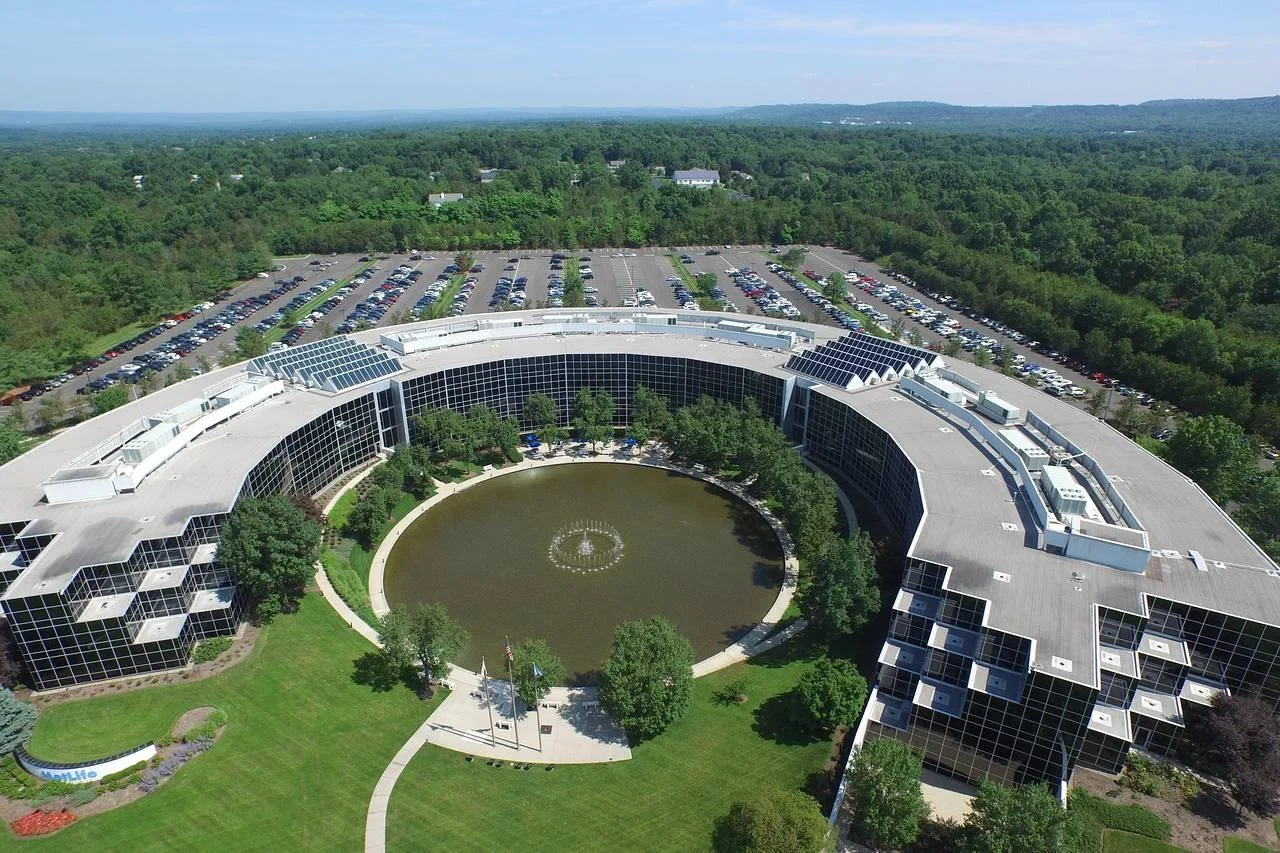

Roofing Plants and Cold Storage Facilities Around Hershey and Lebanon
The Harrisburg market's food and confection manufacturing base, including Hershey's chocolate plants, the Mars Wrigley facility in Elizabethtown, and Lebanon's processing base, runs roofs that answer to sanitation and refrigeration requirements a standard commercial building never sees.
Hershey, Elizabethtown, and Lebanon's Food Manufacturing Base
Hershey's chocolate production facilities sit at the center of a food-manufacturing cluster that extends through Palmyra and Hummelstown, much of it built and expanded across decades of continuous production rather than a single construction date. Elizabethtown's Mars Wrigley plant runs a similar profile: a large production footprint that can't shut down for a roofing project the way an office building can.
Lebanon carries its own processing base tied to the city's older industrial core, alongside a hospital campus that shares some of the same occupied-building constraints even though it isn't a food facility.
Confection and food manufacturers running seasonal production surges around major holidays add a scheduling constraint most facilities don't carry. A roofing project has to steer clear of the weeks a plant ramps output for peak seasonal demand, since that's exactly when downtime is least tolerable and staging areas are already crowded with inbound raw material and outbound finished product.
Vapor Retarders and Insulation Packages for Refrigerated Buildings
A refrigerated or freezer building's roof assembly has to manage a much larger interior-to-exterior temperature differential than a standard dry warehouse, and getting the vapor retarder placement wrong leads to condensation forming inside the insulation package rather than on a surface where it's visible and manageable. We spec vapor barrier location and insulation thickness against the specific interior temperature the space runs, not a generic cold-storage default.
Where a building runs mixed-use space, refrigerated storage alongside standard dry warehouse or office area under one roof, we detail the transition line between insulation packages carefully, since that's where condensation problems most often start.
Roofing Around Active Production Schedules
A food plant running continuous or near-continuous production can't accommodate an open roof section overnight the way an empty warehouse can, because airborne debris and moisture intrusion above a production line is a contamination risk the plant can't absorb. We sequence tear-off in small sections, closing each section out completely before opening the next, and we coordinate directly with the plant's production schedule rather than working around it as an afterthought.
Material staging and crew access get planned around the plant's own traffic patterns, forklift routes, receiving docks, and employee shift changes, so roofing logistics don't collide with the plant's daily operating rhythm. On multi-shift facilities that run around the clock, we sometimes shift our own crew's start time earlier or later than a standard job to land tear-off and dry-in during the plant's lowest-traffic window rather than defaulting to a typical daytime schedule.
What a Food Plant Roof Program Needs to Document
- Interior temperature zones mapped against roof insulation and vapor retarder placement
- Membrane chemical resistance where washdown or exhaust exposure is a factor
- Drain and scupper sizing relative to any rooftop condensate or wash-water discharge
- Sequenced work-area plan that avoids open roof sections during production hours
- Manufacturer warranty terms specific to the membrane system installed
Membrane Selection for Washdown and Exhaust Exposure
Roof areas near kitchen exhaust, cooking-process venting, or washdown runoff take a different kind of chemical exposure than a standard rooftop, and not every single-ply membrane holds up the same way against grease-laden exhaust or cleaning chemical residue. We match membrane chemical resistance to what's actually venting or draining onto that section of roof rather than defaulting to whatever membrane covers the rest of the building.
PVC's chemical resistance profile handles grease and oil exposure better than standard TPO in most cases, which is why we see it specified more often on roof areas near active food-process exhaust even when the rest of a building runs TPO.
Spray polyurethane foam, applied with a protective coating, reaches an insulation value per inch that most other roof systems only match by adding a separate rigid board layer underneath the membrane. That makes it a common specification on cold storage roofs, where every added inch of roof assembly thickness cuts into usable interior clearance below the deck.
Common Questions From Plant and Facilities Engineers
Can you reroof a section of our plant while production continues in the rest of the building?
Yes, that's the standard approach on an active food plant. We section the work and close each area out completely before moving to the next rather than leaving multiple areas open at once.
How do you prevent moisture from getting trapped inside a cold storage roof assembly?
Correct vapor retarder placement relative to interior temperature is the main control. We spec that against your specific operating temperature rather than a generic freezer-building assumption.
Does roof debris or dust falling into the building during a reroof create a contamination risk?
It can, which is why we close out each work section fully before opening the next and coordinate timing with your production schedule to avoid overlap with active runs below.
What membrane holds up best near kitchen or process exhaust venting?
PVC generally handles grease and chemical exposure better than standard TPO. We assess what's actually venting onto that section of roof before recommending a system.
Do you work with plant engineering staff or a corporate facilities office on scheduling?
Either, and often both. We coordinate day-to-day access with on-site plant engineering while keeping a corporate facilities contact updated on schedule and budget.