
Commercial Roofing Services
Commercial Roofing
Harrisburg, PA
Harrisburg, PA
Commercial Roof Coatings in Harrisburg
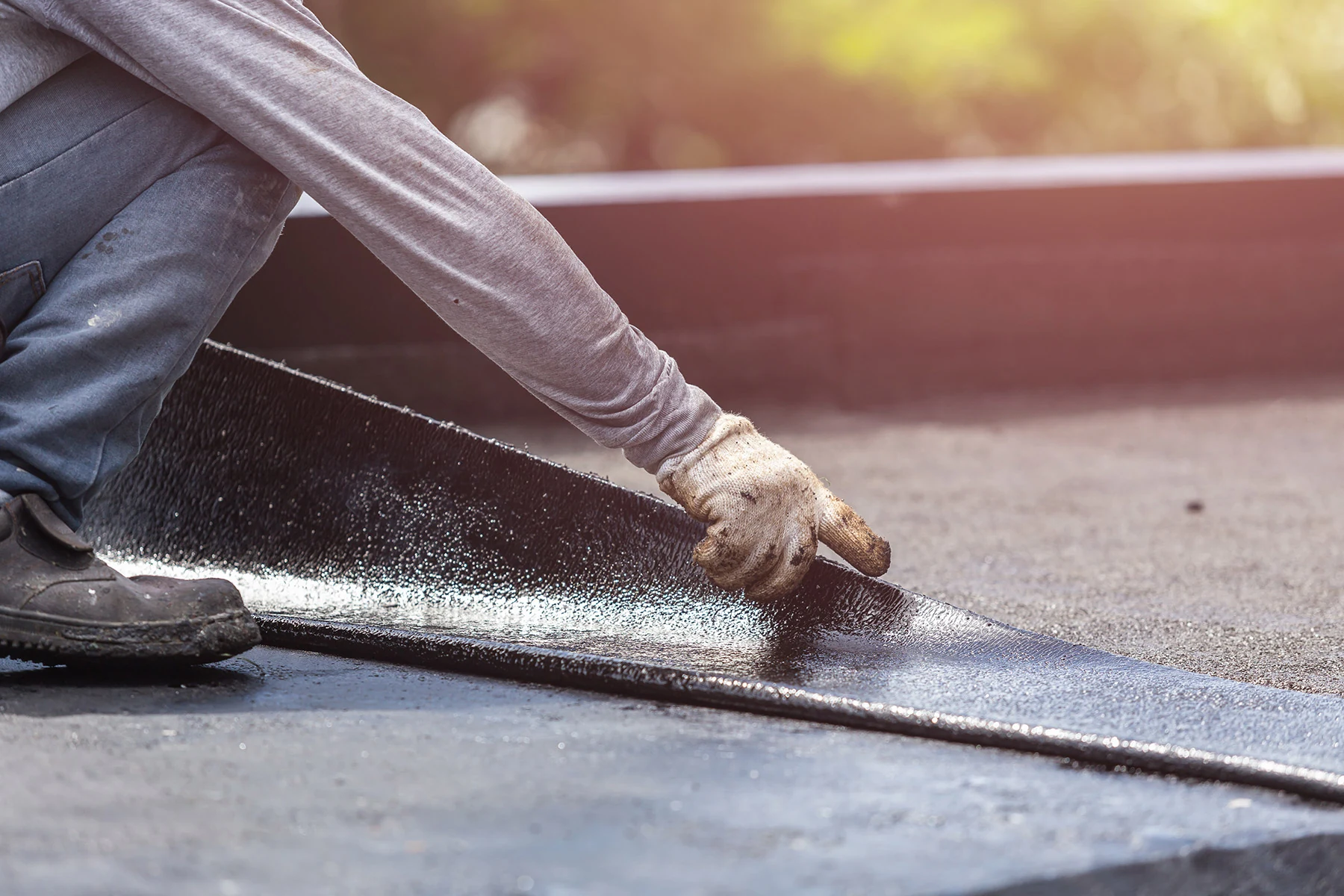
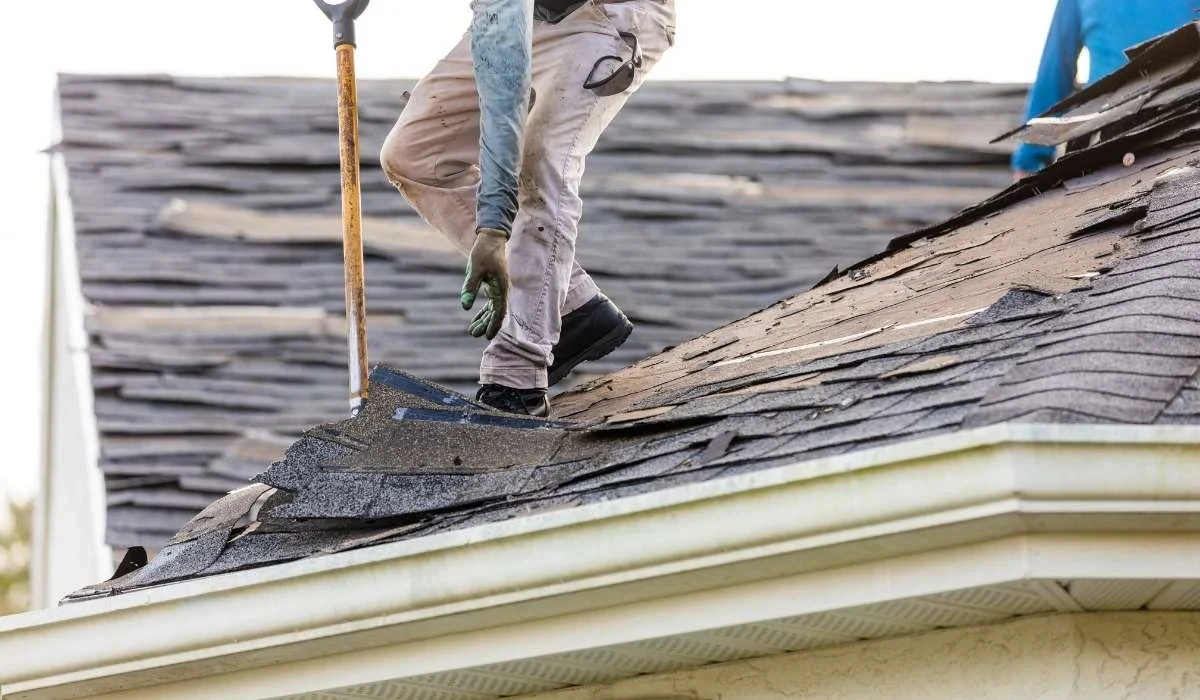
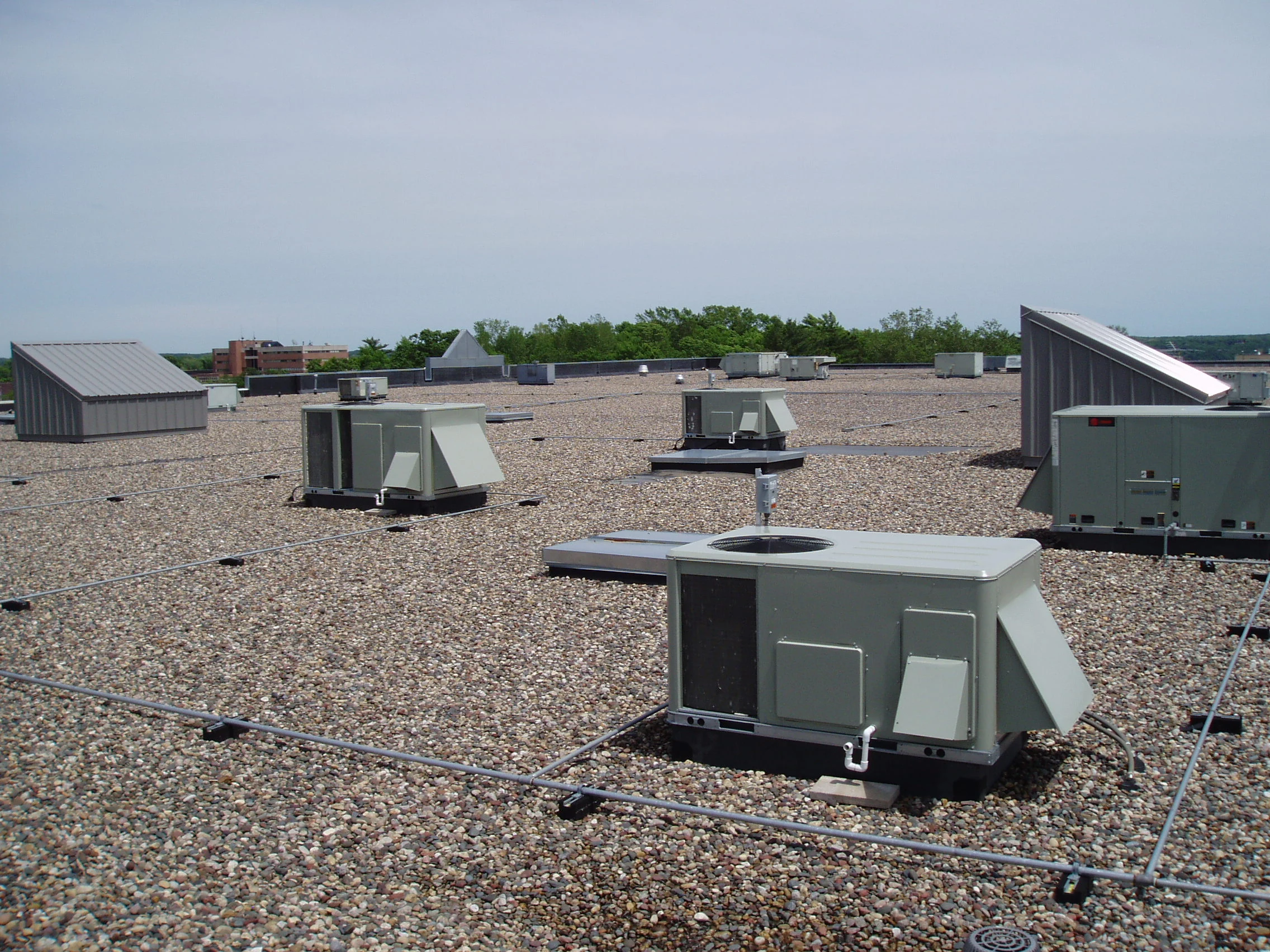
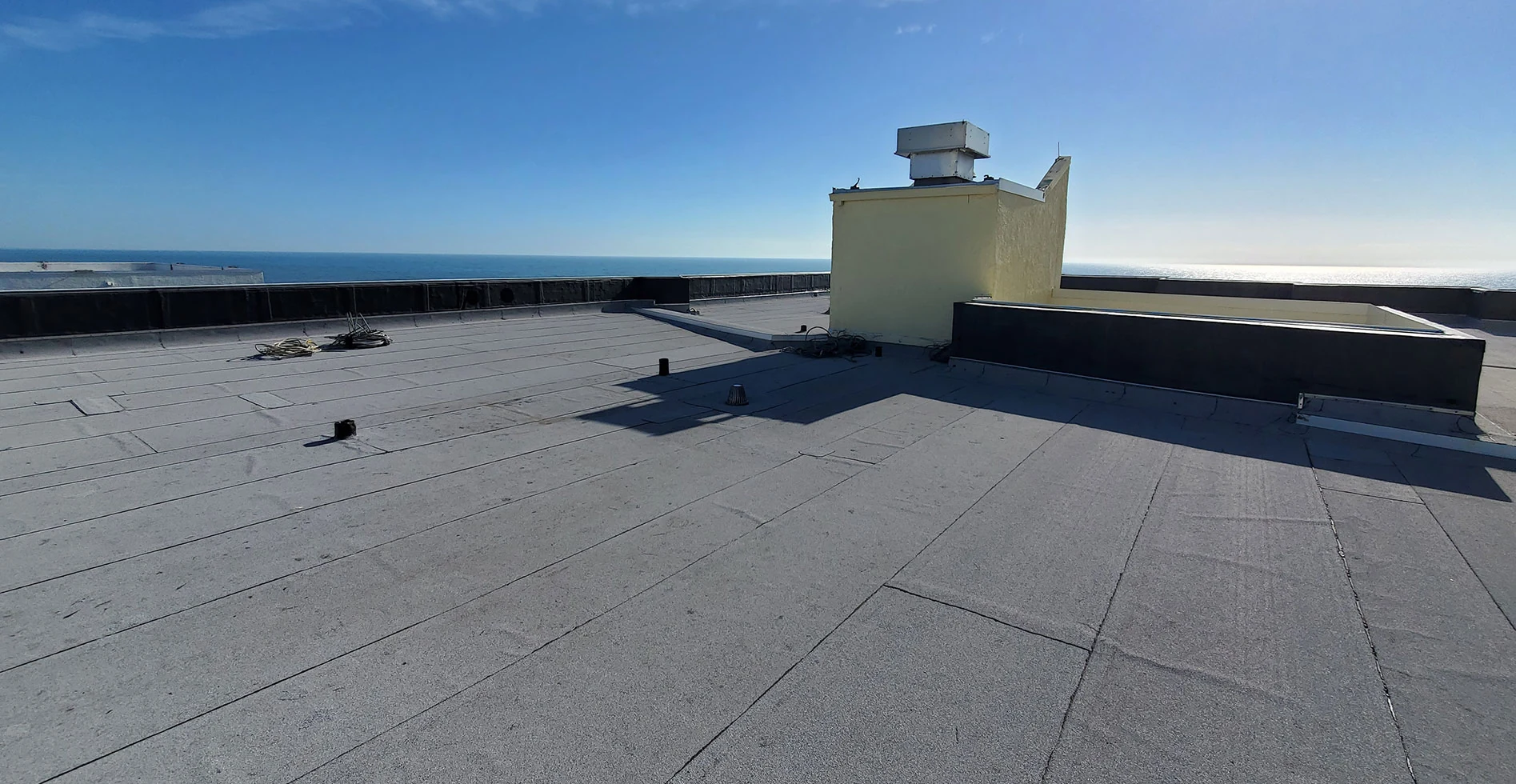
Acrylic Coating for Roofs Without a Ponding Water Problem
A coating recommendation starts with adhesion, moisture, drainage, membrane condition, detail preparation, and warranty eligibility—not every existing roof is a restoration candidate. Acrylic is the coating we recommend most often on the metal roofs and retail strip centers around Colonial Park and Linglestown, buildings where drainage works fine and the goal is reflectivity, weatherproofing, and extending service life rather than solving a standing-water problem. It costs meaningfully less than silicone, and on a roof without ponding, that lower cost buys the same practical result.
Why We Don't Default to Acrylic Everywhere
Acrylic's water-based emulsion chemistry is the tradeoff for its lower cost: it doesn't hold up to standing or ponding water the way silicone does, since sustained moisture exposure can soften and eventually degrade the cured film. On a roof with good drainage and no history of ponding, that limitation never becomes relevant, which is why acrylic remains the practical, lower-cost choice on the majority of pitched metal roofs and well-drained low-slope roofs we coat in this market.
Metal Roof Recoating: R-Panel and Standing Seam
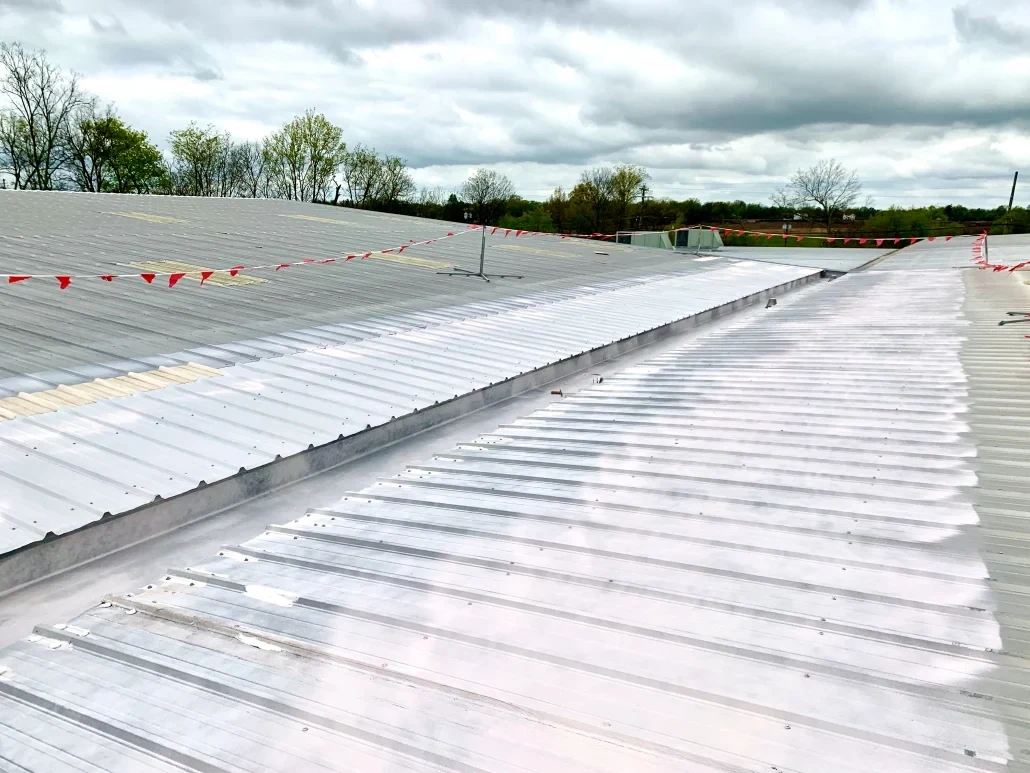
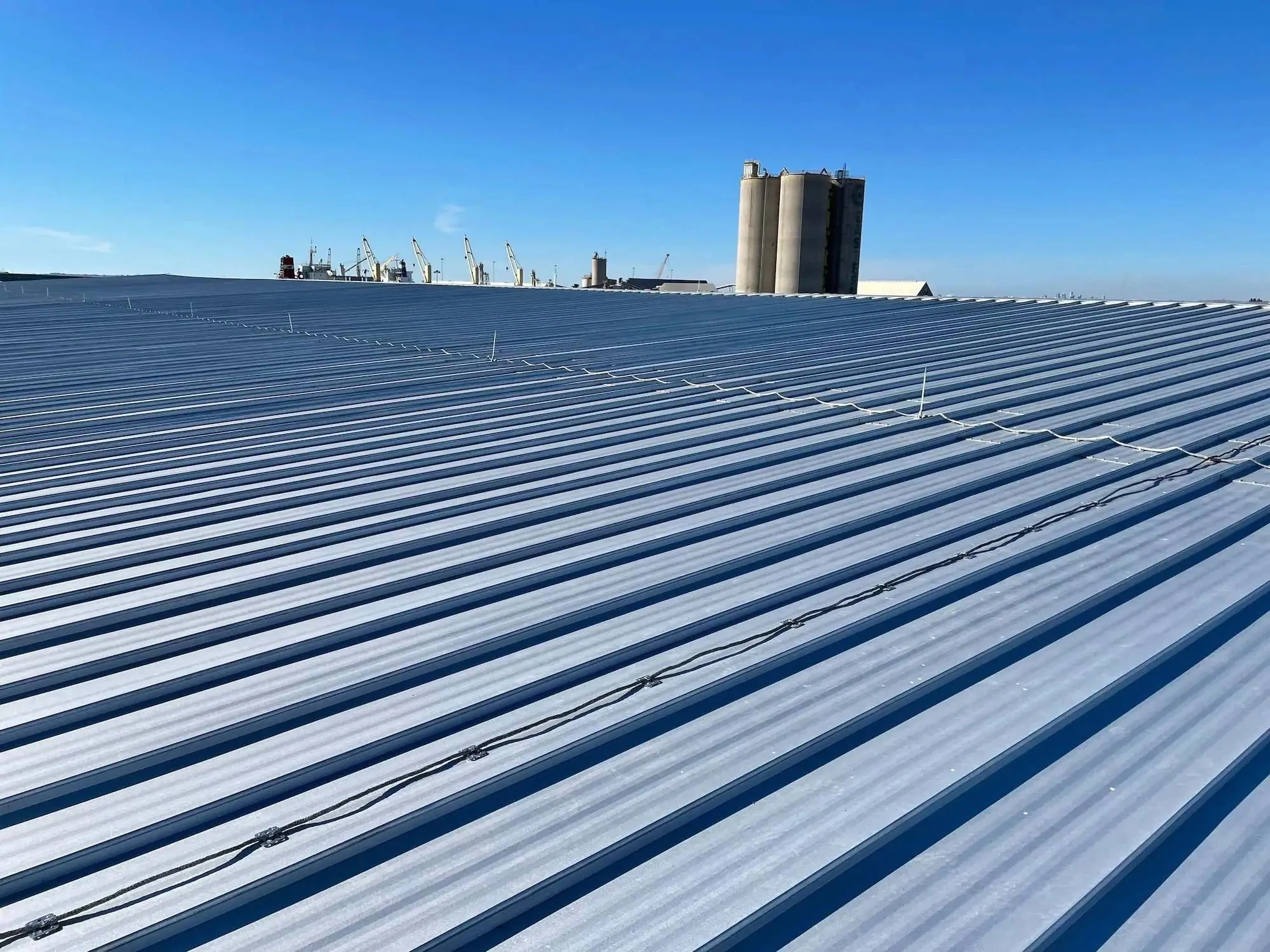
Aging R-panel roofs on light industrial buildings around Hampden Township's big-box retail corridor, along with older standing seam roofs that have started to chalk or fade, are common acrylic recoat candidates. The coating restores reflectivity, seals minor surface rust on steel panels before it spreads, and adds a fresh, uniform finish without the cost of full panel replacement. We inspect fastener and seam condition before recoating a metal roof, since coating over failing fasteners or active rust-through just delays a repair that's already due.
Reflectivity and Cooling Load Reduction
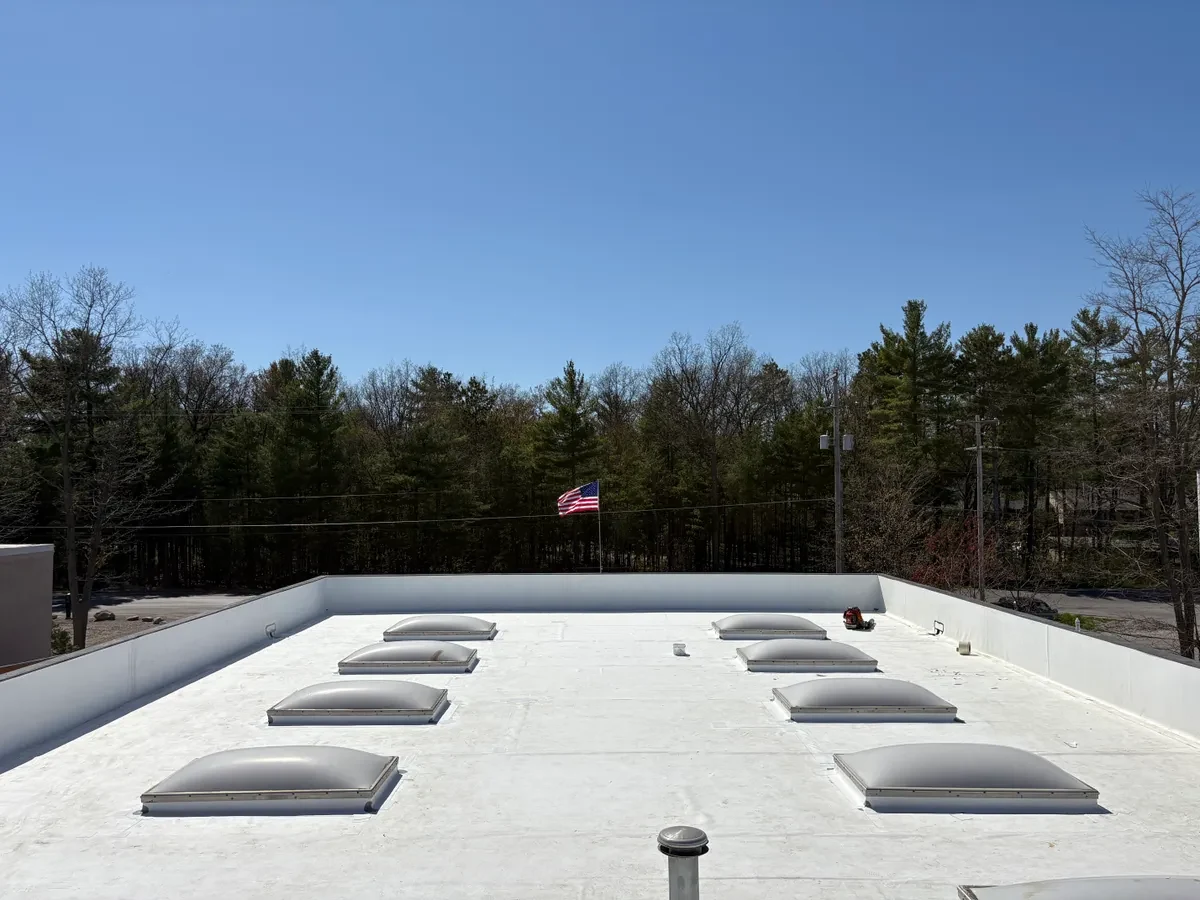
A fresh acrylic coating in white or a light reflective color significantly reduces surface temperature on a metal or low-slope roof compared to an aged, chalked, or dark surface, which translates into a real reduction in rooftop heat gain during Harrisburg's humid summer months. Retail strip centers and big-box buildings with large flat or low-slope roof areas see the most benefit, since rooftop HVAC load on those buildings scales directly with roof surface temperature.
- Lower material cost than silicone for roofs without ponding water
- Reflective white or light-color finish to reduce summer cooling load
- Metal roof recoating for aging R-panel and standing seam systems
- Rust encapsulation on steel panels before corrosion spreads further
- Breathable film that allows trapped moisture vapor to escape
- Manufacturer-specified mil thickness verified during application
Elastomeric Properties and Substrate Movement
Acrylic coatings are elastomeric, meaning the cured film stretches and recovers with substrate movement rather than cracking, which matters on metal roofs that expand and contract noticeably across a central Pennsylvania year of hot summers and cold winters. That flexibility is part of why acrylic remains a durable choice on metal roofs specifically, even though its water resistance limitations rule it out on flat membrane roofs with drainage problems.
When Acrylic Isn't the Right Call
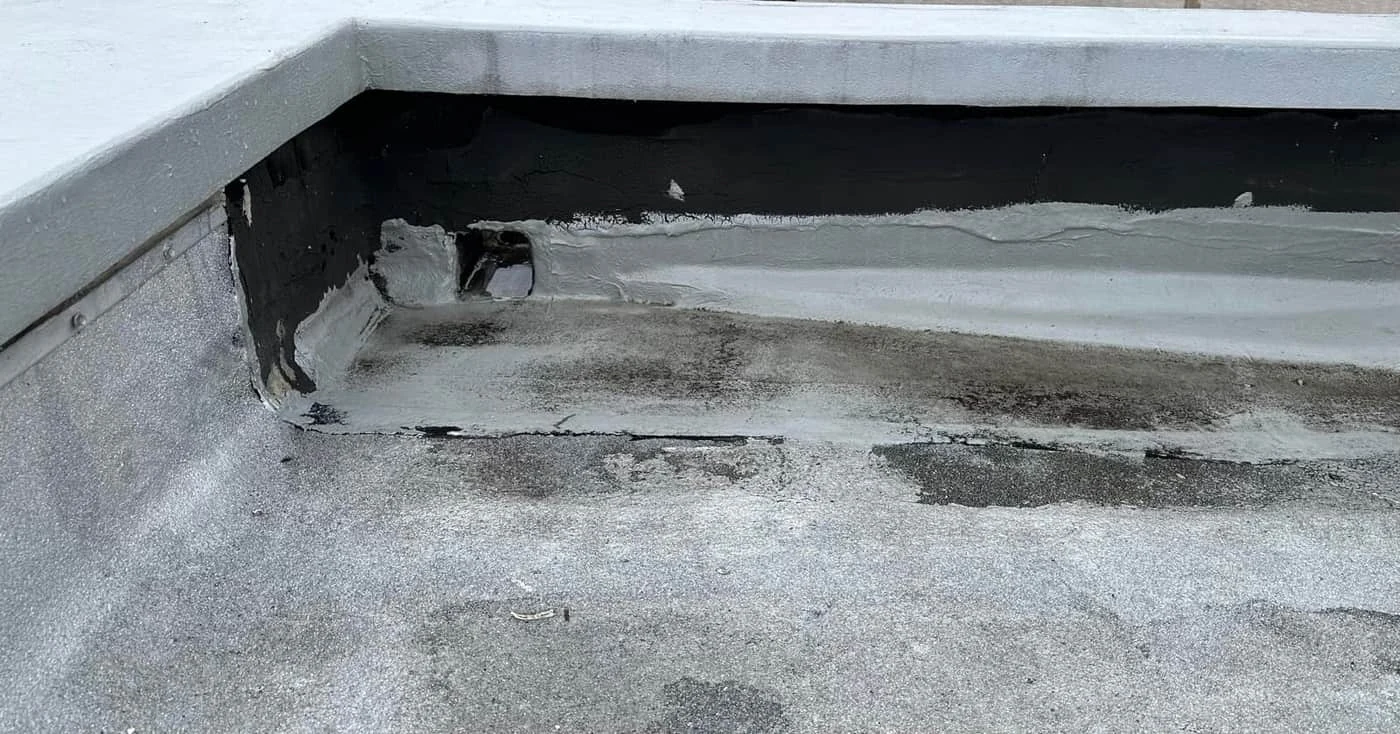
Any roof with documented ponding water, even in isolated low spots, is better served by silicone, since acrylic's water sensitivity means a coating applied over a ponding area will underperform and likely fail before its expected service life is reached. We check drainage patterns and ask about the roof's ponding history before recommending acrylic over silicone, rather than defaulting to the lower-cost option regardless of the roof's actual drainage condition.
Surface Preparation and Application Method
Metal roof recoating depends heavily on surface prep, more so than membrane coating in some respects, because rust, chalking paint, and mill scale on an older panel all interfere with adhesion if left untreated. We pressure wash every panel, treat existing rust spots with a rust-inhibitive primer, and hand-sand or wire-brush chalked paint before coating goes down, since skipping any of those steps shortens the coating's effective life regardless of how much material gets applied afterward.
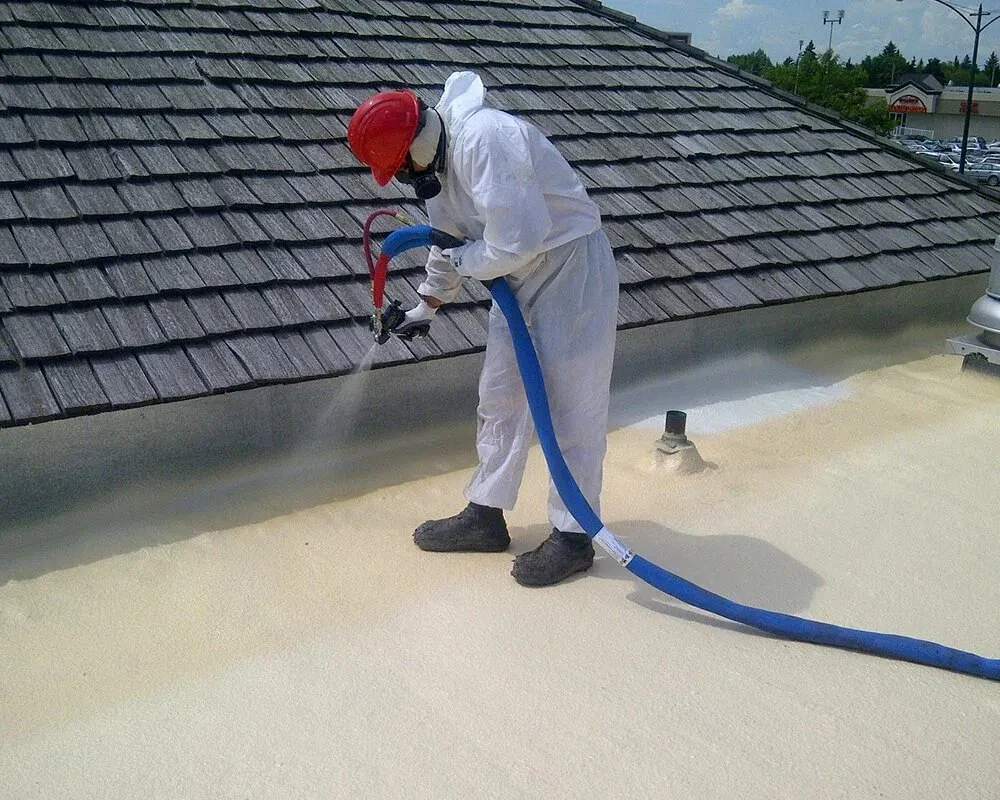
Spray application gives the most consistent mil thickness across a large roof area and is our default method on bigger retail strip and warehouse projects, while roller and brush application handle detail work at seams, fasteners, and flashing where spray overspray isn't practical. Getting mil thickness right matters as much on acrylic as it does on silicone, and we verify wet-film thickness with a gauge during application rather than estimating coverage by material usage alone.
Acrylic Coating Questions
Can acrylic coating go on a roof with a few small low spots?
It depends on how long water actually sits there. Brief ponding that drains within a day or two is generally acceptable for acrylic; water that sits for extended periods after every rain event points toward silicone instead.
How does acrylic coating perform on a standing seam roof specifically?
Well, provided the panel and seam condition is sound before coating. The coating adheres to painted or bare metal panels and restores reflectivity and a uniform finish across a roof that's started to fade or chalk.
Does acrylic coating stop active rust on a metal roof?
It encapsulates surface rust and slows further corrosion, but active rust-through or significant panel deterioration needs repair or panel replacement first. Coating over compromised metal buys time but isn't a substitute for addressing structural corrosion.
How often does an acrylic-coated roof need recoating?
This depends on mil thickness, sun exposure, and roof slope, but a properly applied acrylic system typically holds performance for many years before a maintenance recoat becomes worthwhile.
Is acrylic coating a good option for retail strip center roofs?
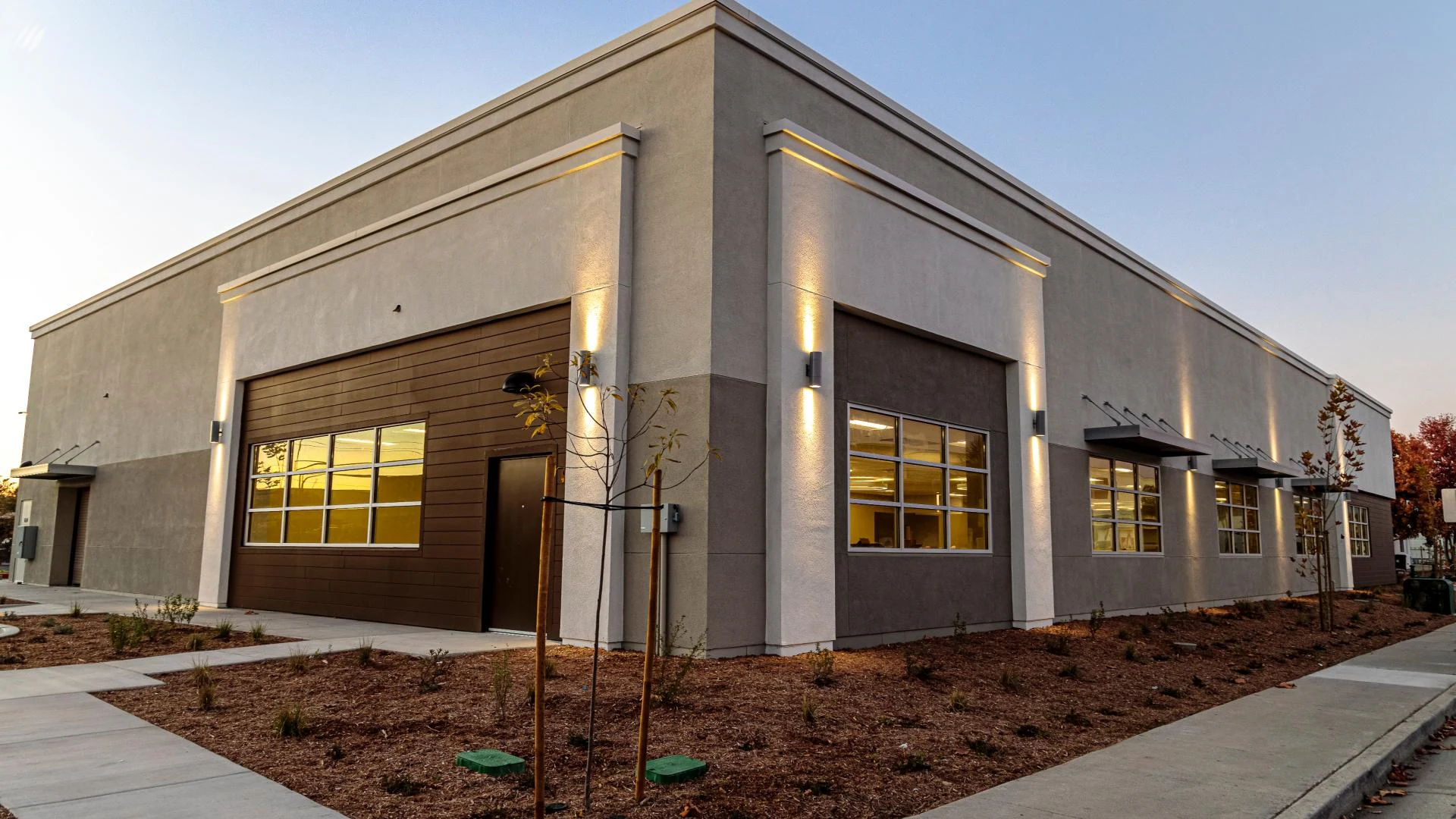
Yes, provided drainage is adequate. Retail strip roofs around Colonial Park and Linglestown with straightforward slope and drainage are strong acrylic candidates, offering reflectivity and weatherproofing at a lower cost than silicone.