
Commercial Roofing Services
Commercial Roofing
Harrisburg, PA
Harrisburg, PA
Storm Damage Roof Repair in Harrisburg, PA

Storm Damage Repair for Commercial Roofs in the Harrisburg Area
The Susquehanna river valley sits in a path where summer thunderstorm cells build quickly and, less often, where the remnants of an Atlantic hurricane can push heavy rain and sustained wind up through central Pennsylvania. The historic 1972 flooding from Hurricane Agnes is still a reference point locally for how severe a tracking storm system can get in this valley, even though most storm damage repair calls today come from far more routine summer and winter weather. We assess and repair commercial roofs across the region after wind, hail, and heavy rain events.
Reading the Damage: Wind, Hail, and Water Are Different Problems
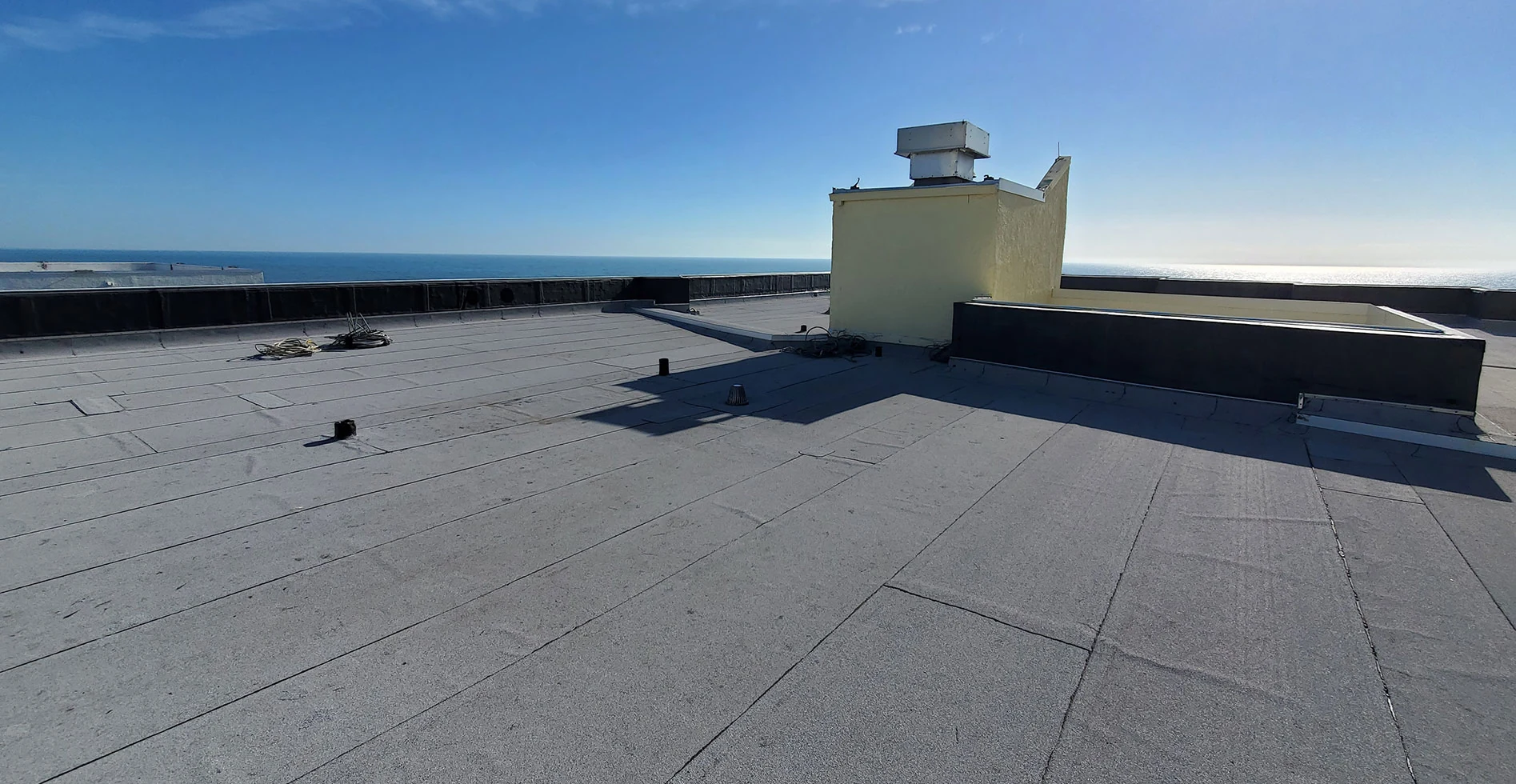
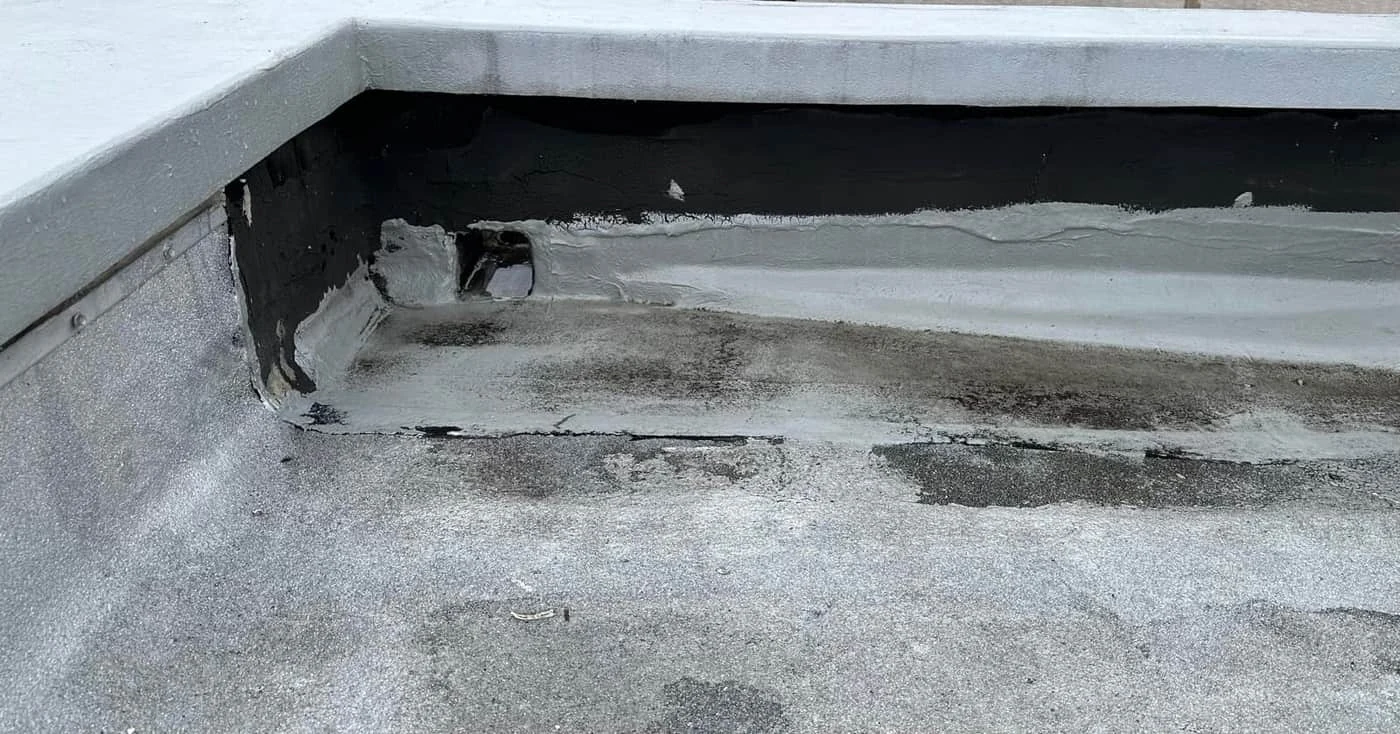
Wind damage on a low-slope membrane typically shows up as lifted seams, displaced coping, or membrane peeled back at an edge or corner, since roof edges and corners carry the highest uplift pressure in a wind event. Hail damage on single-ply membranes often looks less dramatic than it is: small bruises or punctures that don't leak immediately but weaken the membrane at that point, leading to a leak weeks or months later once weathering works through the compromised spot.
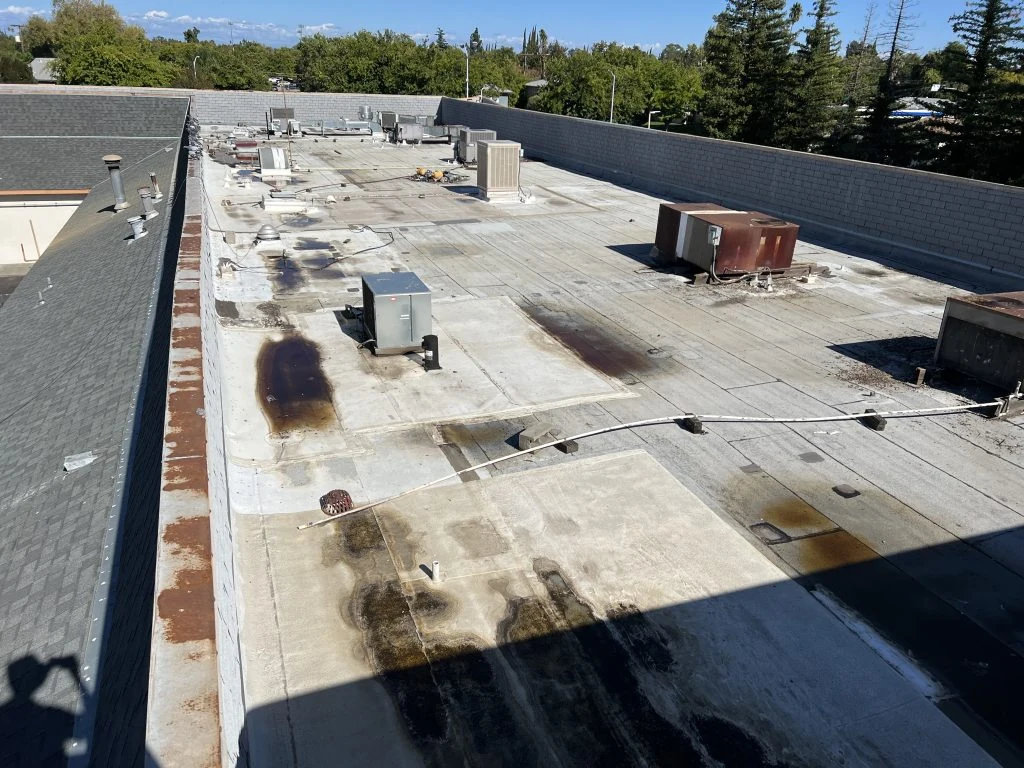
Heavy rain damage is usually a drainage story rather than a membrane story. A roof that handled years of normal rainfall without issue can show ponding-related stress after an unusually intense rain event overwhelms drains that were already partially restricted. We assess all three damage types separately because the repair approach, and the case for a warranty or insurance claim, differs for each.
Assessment Before Repair: What We Document
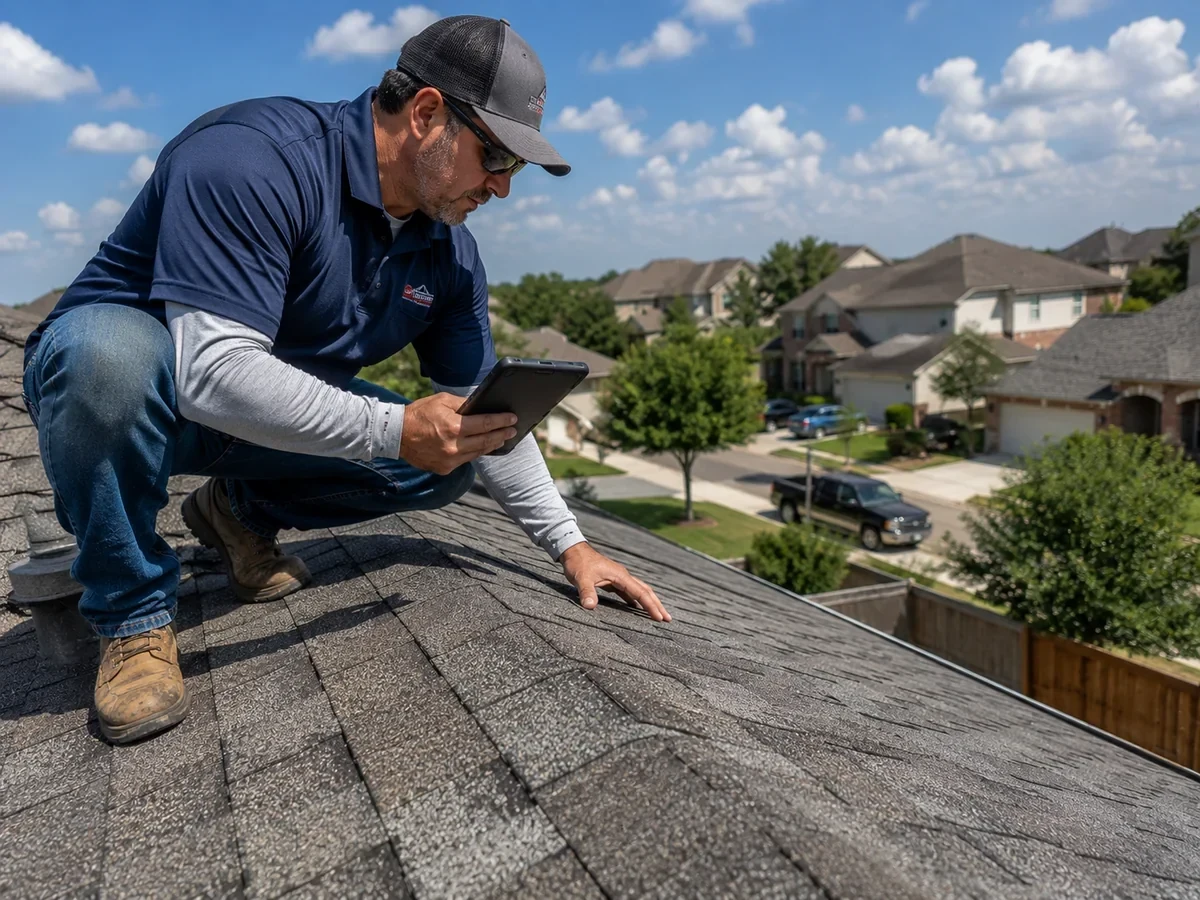
Every storm damage call starts with a full roof walk documenting damage location, type, and extent, cross-referenced against the roof's existing condition and maintenance history where available. This distinction matters because insurance adjusters and manufacturer warranty reviewers both want to see storm-caused damage separated clearly from pre-existing wear, and a thorough assessment protects the building owner's position either way.
On buildings with rooftop HVAC equipment, common across office parks in Camp Hill and Hampden Township, we check curb flashing and equipment anchoring separately from the field membrane, since wind events can shift rooftop units enough to tear flashing without any visible damage to the unit itself.
Repair Approaches by System Type
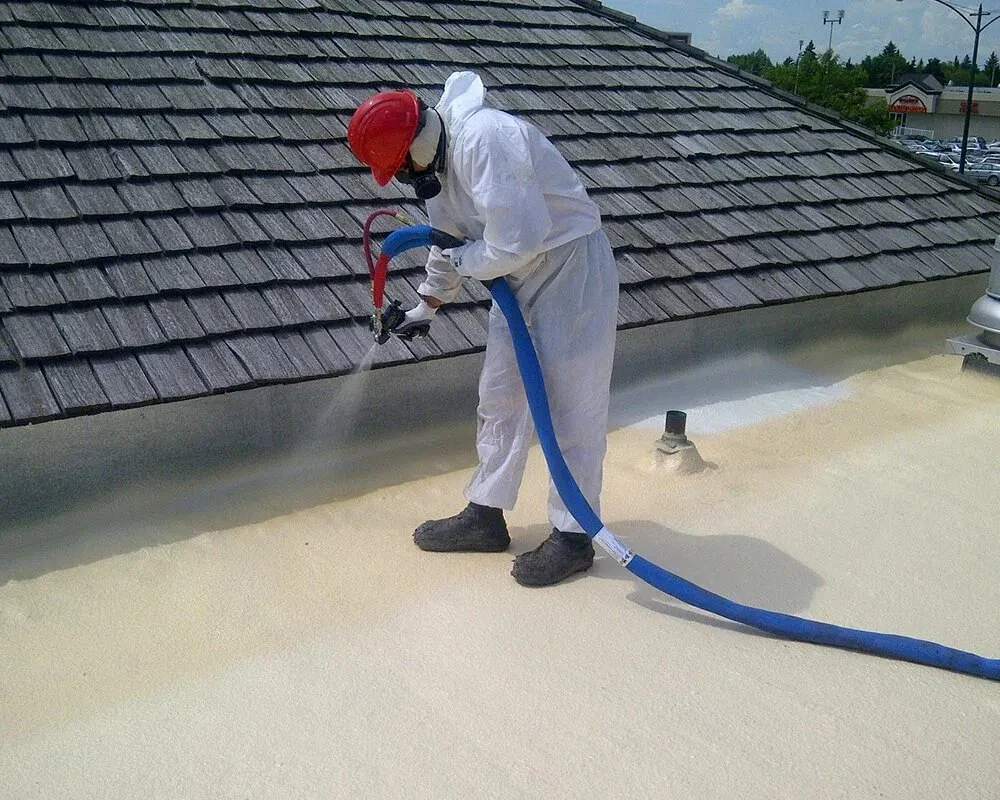
TPO and PVC membranes, common on newer warehouse construction around Carlisle and Silver Spring Township, repair with heat-welded patches that restore full membrane integrity when done to manufacturer specification. EPDM systems use adhered patches with compatible primer and sealant. Modified bitumen and built-up roofs, more common on older buildings in Lebanon and the smaller boroughs, repair with torch-applied or cold-adhesive patches depending on the original installation method.
- Full roof walk documenting damage type, location, and extent
- Damage cross-referenced against known maintenance and condition history
- Rooftop equipment curb flashing checked separately from field membrane
- Repair method matched to existing membrane type and manufacturer
- Coping, edge metal, and drain function verified after any wind event
- Photo documentation package for warranty and insurance review
Distinguishing Storm Damage From Age-Related Wear
This is where storm damage repair gets contentious, and where careful documentation protects the building owner. A roof already near the end of its service life can show accelerated deterioration after a storm without the damage being purely storm-caused. We're direct about that distinction rather than characterizing every post-storm issue as storm damage, because an inflated or inaccurate assessment can undermine a claim's credibility rather than strengthen it.
For distribution centers and government buildings where a storm event triggers a larger reroofing conversation, we provide separate documentation: what portion of the scope addresses storm damage specifically, and what portion reflects general condition that existed independent of the storm.
Seasonal Storm Patterns and Repair Scheduling
Summer thunderstorm season brings the most frequent damage calls, often clustered around the same week when a storm system tracks through several counties at once. Winter storm damage tends to show up differently, as ice working under coping after a wet, heavy snow event followed by rapid thaw, discovered weeks later during a routine inspection rather than reported immediately like wind or hail damage. We schedule repair work around what the weather window allows, prioritizing active leaks first.
Storm Damage Repair Questions
How do you tell storm damage apart from a roof that was already failing?
We compare the damage pattern and location against what a wind or hail event typically produces, and against any known maintenance or inspection history for the roof. Damage concentrated at edges, corners, and penetrations after a specific storm date reads differently than gradual membrane fatigue spread evenly across the roof.
Will hail damage on a membrane roof always cause an immediate leak?
No, and that's part of what makes hail damage tricky. A bruise or minor puncture can sit for weeks or months before weathering opens it into an active leak, which is why post-hail inspections matter even when there's no visible water intrusion yet.
Do you provide documentation we can submit with an insurance claim?
Yes, we provide photo-documented damage assessments that separate storm-caused damage from pre-existing condition, though the insurance company's adjuster makes the final determination on coverage.
Can storm-damaged sections be repaired without replacing the whole roof?
In most cases yes, if the damage is localized. We repair the affected sections to match the existing membrane rather than defaulting to a full replacement recommendation unless the extent of damage or the roof's overall condition genuinely warrants it.
How quickly should storm damage be inspected after a major weather event?
As soon as it's safe to access the roof. Early inspection catches damage while it's still clearly attributable to the specific storm, which matters for both warranty claims and insurance documentation, and it prevents a minor puncture from becoming a larger interior water problem.