
Commercial Roofing Services
Commercial Roofing
Harrisburg, PA
Harrisburg, PA
Commercial Reroofing in Harrisburg, PA
Commercial Reroofing Across the Harrisburg Region
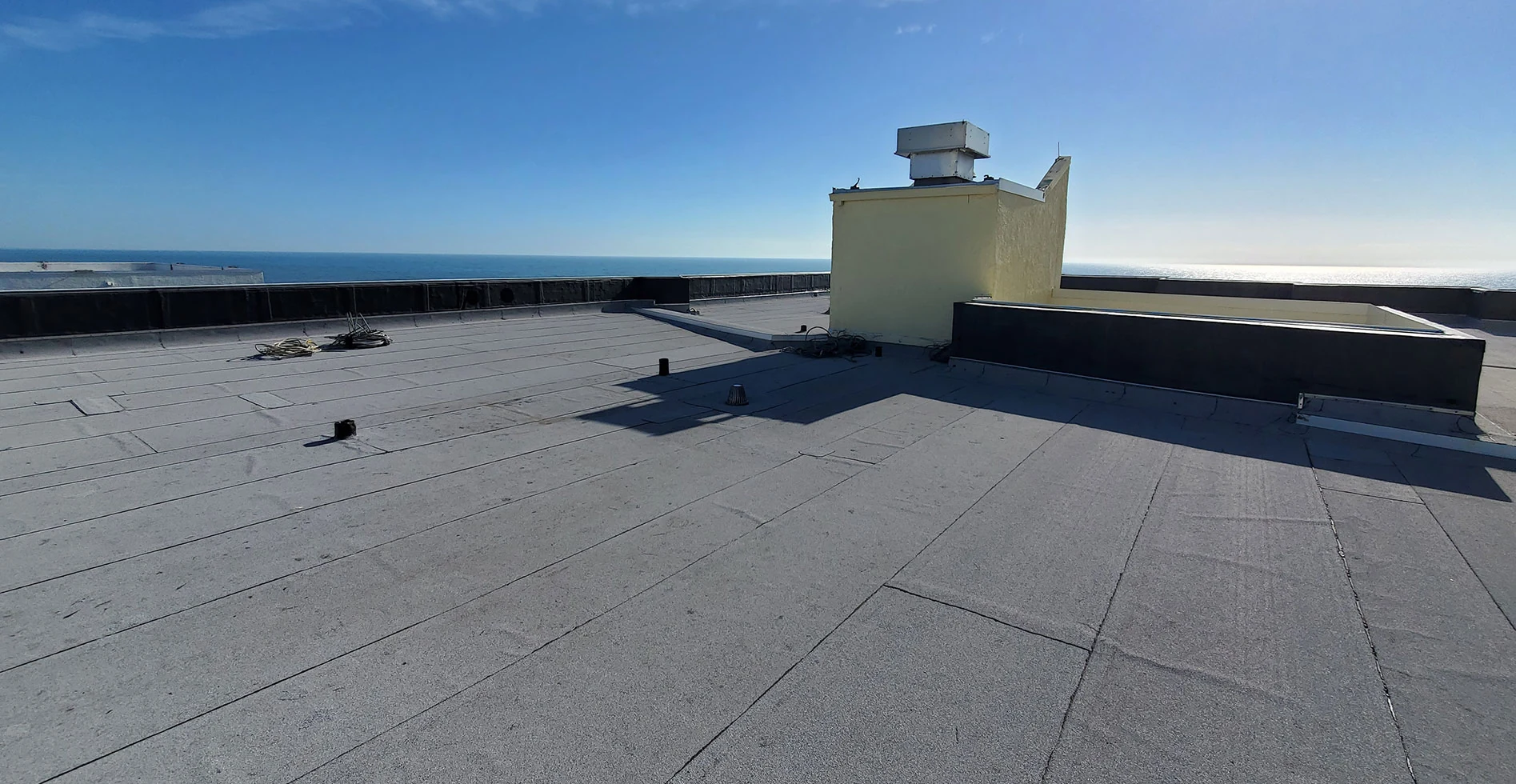
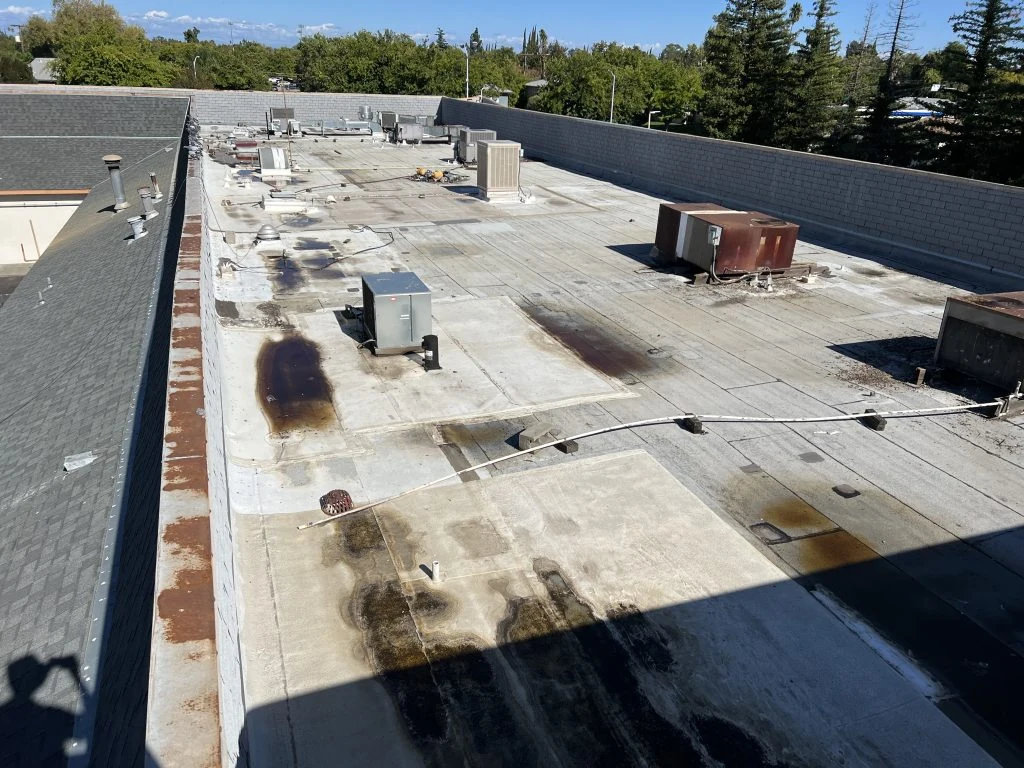
When a low-slope commercial roof reaches the point where patching no longer controls the leak rate, reroofing is the decision that protects the asset underneath it. We handle full reroofing projects for distribution centers along I-81 and I-83, state office buildings near the Capitol complex, and retail strips throughout Dauphin, Cumberland, and Lebanon counties. Every project starts with an engineering-grade look at what's actually there, not an assumption.
Full Tear-Off Versus Recover: How We Decide
Harrisburg's warehouse belt around Carlisle, Silver Spring Township, and Swatara Township is dominated by 1990s and early-2000s TPO and EPDM roofs that were installed as single-layer systems. Many are candidates for a code-compliant recover if the deck is dry and the insulation still meets current thermal requirements. Others, especially anything with wet insulation from a slow leak history, require full tear-off to the deck.
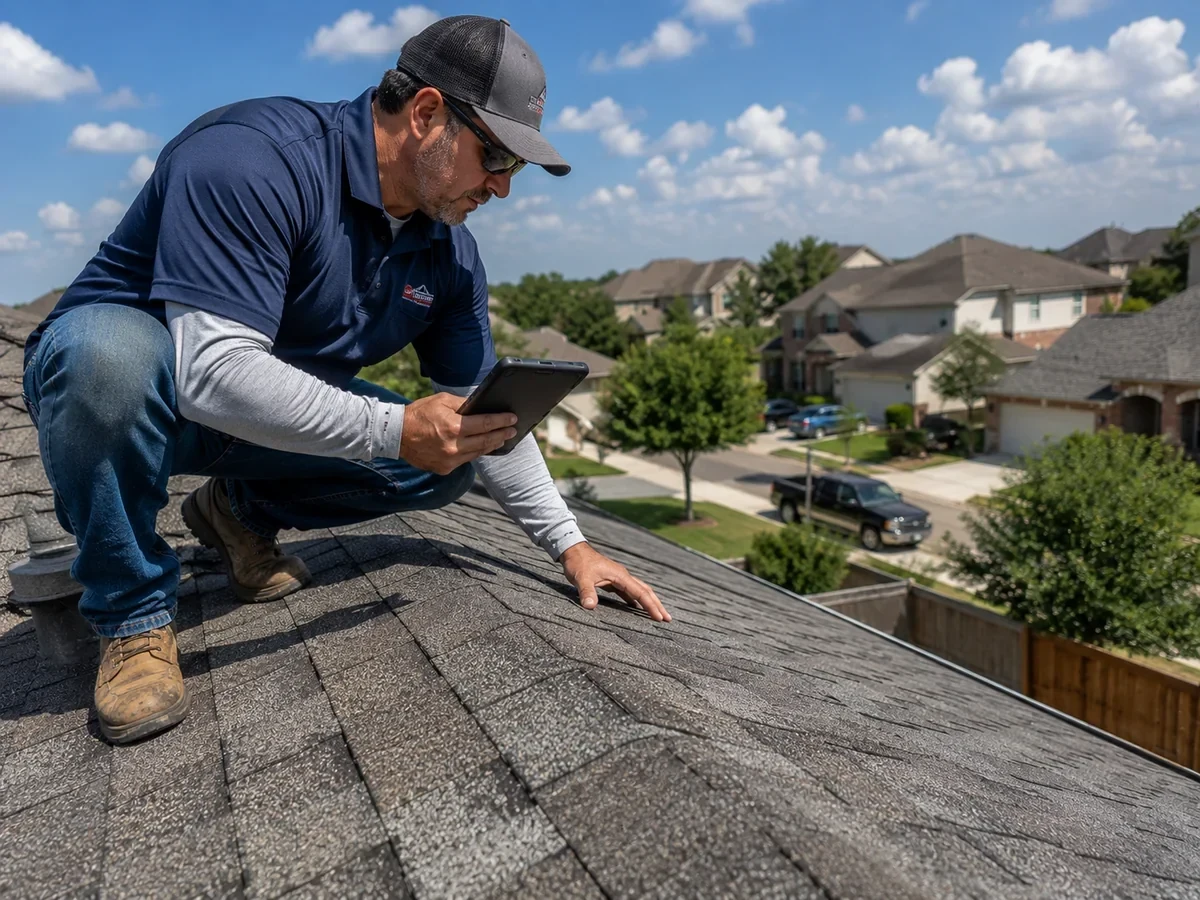
We make that call with a moisture survey, not a guess. Infrared scanning or core cuts tell us where water has already tracked under the membrane. Roofs with isolated wet zones can sometimes be repaired in sections; roofs with widespread saturation get a full tear-off recommendation, because covering wet insulation with a new membrane just traps the problem and shortens the life of the new system.
Government and Institutional Reroofing Requirements
Reroofing work on state-owned buildings in downtown Harrisburg, or on township and school district properties throughout the county, typically runs through a procurement or bid process with its own submittal requirements. We're set up to work inside that process: manufacturer spec sheets, wind uplift calculations, fire rating documentation, and warranty terms that match what the RFP is asking for.
Hospitals and medical office buildings in Camp Hill and along the West Shore corridor bring a different set of constraints. Reroofing over an occupied surgery center or medical office means infection-control protocols, negative-pressure considerations near air intakes, and a phased schedule that keeps the building weathertight every single night of the project, not only at completion.
System Selection for Warehouse and Distribution Roofs
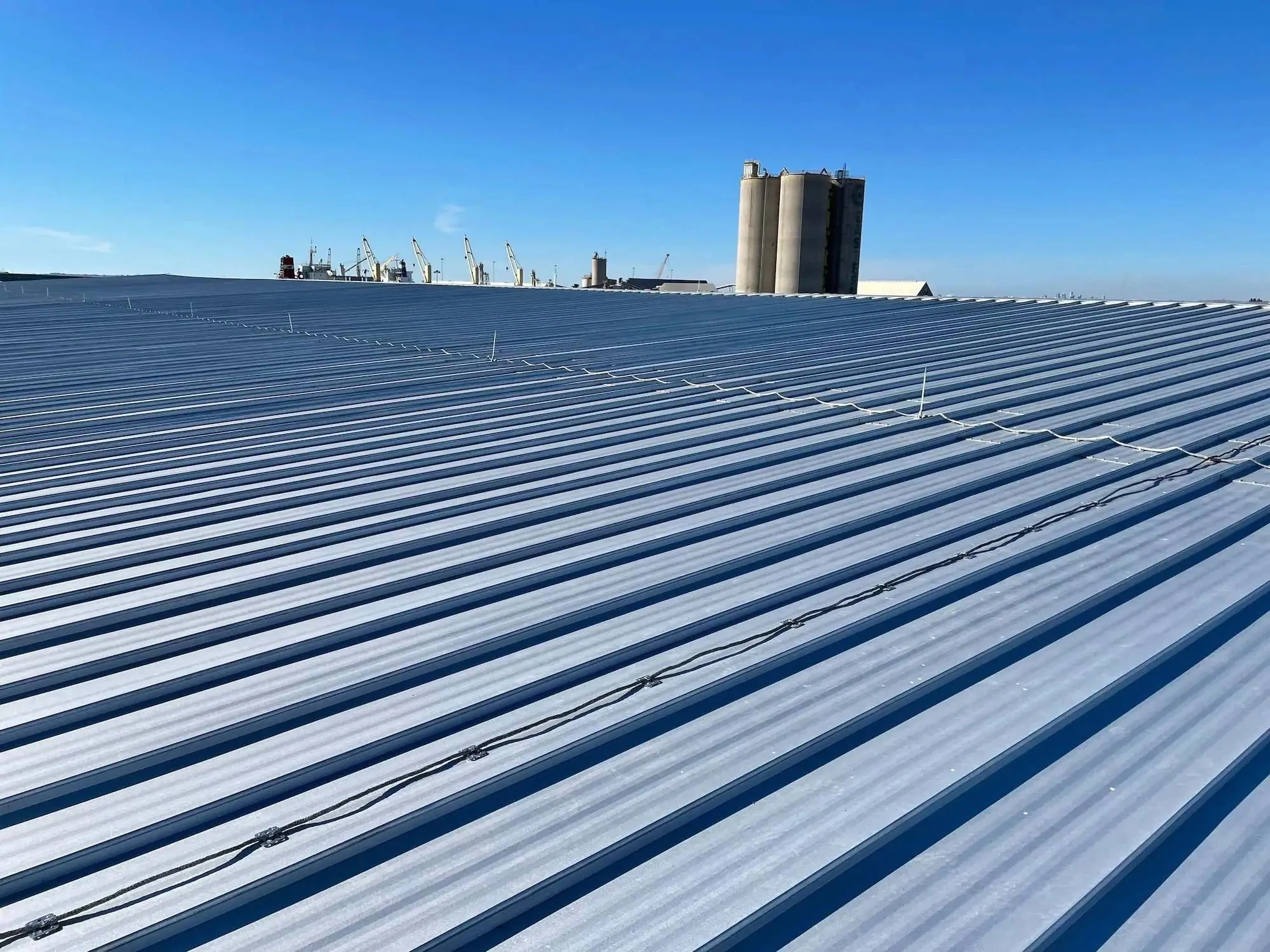
The distribution centers clustered around the Carlisle interchange and the Defense Distribution Center corridor near New Cumberland are almost all large-format, low-slope structures where membrane choice matters as much as installation quality. TPO remains the most common recommendation for new construction and reroofing because of its heat-welded seams and reflective surface, which helps with cooling costs in buildings that run large HVAC loads for climate-sensitive inventory.
For cold storage buildings, which are becoming more common in the Carlisle-Mechanicsburg logistics belt, vapor drive from the inside of the building changes the assembly design. We specify insulation and vapor retarder placement differently on a cold storage reroof than on a standard ambient warehouse, because getting that wrong causes condensation problems inside the roof assembly that won't show up until months later.
- Moisture survey and core cuts before any tear-off scope is finalized
- Manufacturer-specified assemblies matched to deck type and building use
- Phased scheduling for occupied buildings, medical facilities, and 24-hour distribution operations
- Wind uplift and fire rating documentation for procurement and permitting
- Tapered insulation design where ponding water is an existing problem
- Warranty paperwork aligned to manufacturer requirements from day one
Reroofing Around River Valley Weather Patterns
The Susquehanna river valley funnels thunderstorm cells that build fast in summer, and reroofing schedules in this region have to account for that. We stage materials and dry-in sequencing so that a half-torn-off section never sits exposed overnight during storm season. Winter reroofing is possible but limited by membrane manufacturer temperature restrictions, particularly for TPO heat-welding, so late fall and early spring windows get planned around carefully.
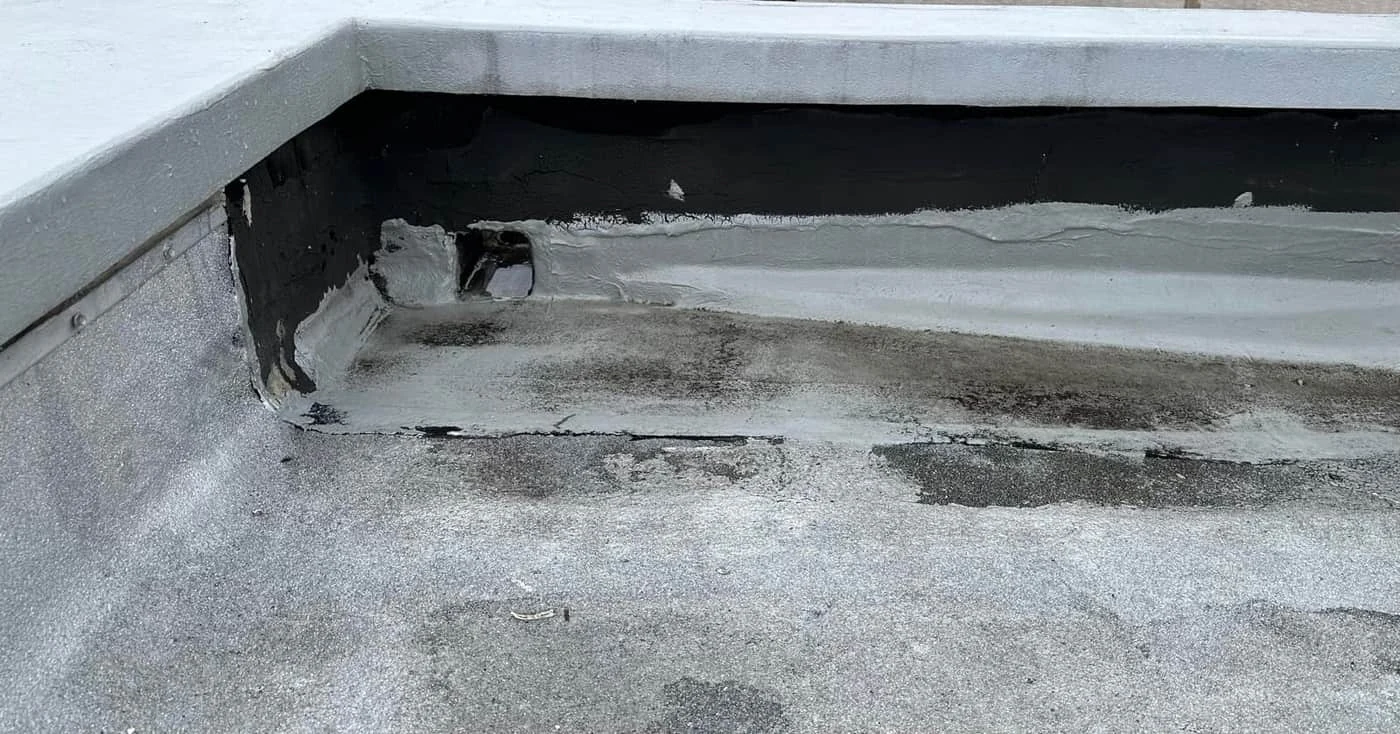
Wet, heavy snow loads followed by rapid thaw are common in this part of central Pennsylvania, and older built-up roofs and modified bitumen systems in Lebanon and along the Lebanon Valley often show the cumulative effects of that cycle: alligatoring, blistering, and seam failure at the laps. Reroofing gives us the chance to correct drainage issues that caused those problems in the first place, instead of replacing the membrane and repeating the cycle.
What a Reroofing Project Looks Like Start to Finish
We begin with a roof assessment and a written scope that defines tear-off limits, insulation R-value, membrane type and thickness, flashing details, and drain or scupper modifications if needed. That scope goes into a proposal with manufacturer product data attached, so building owners and their consultants can review exactly what's being installed before work starts.
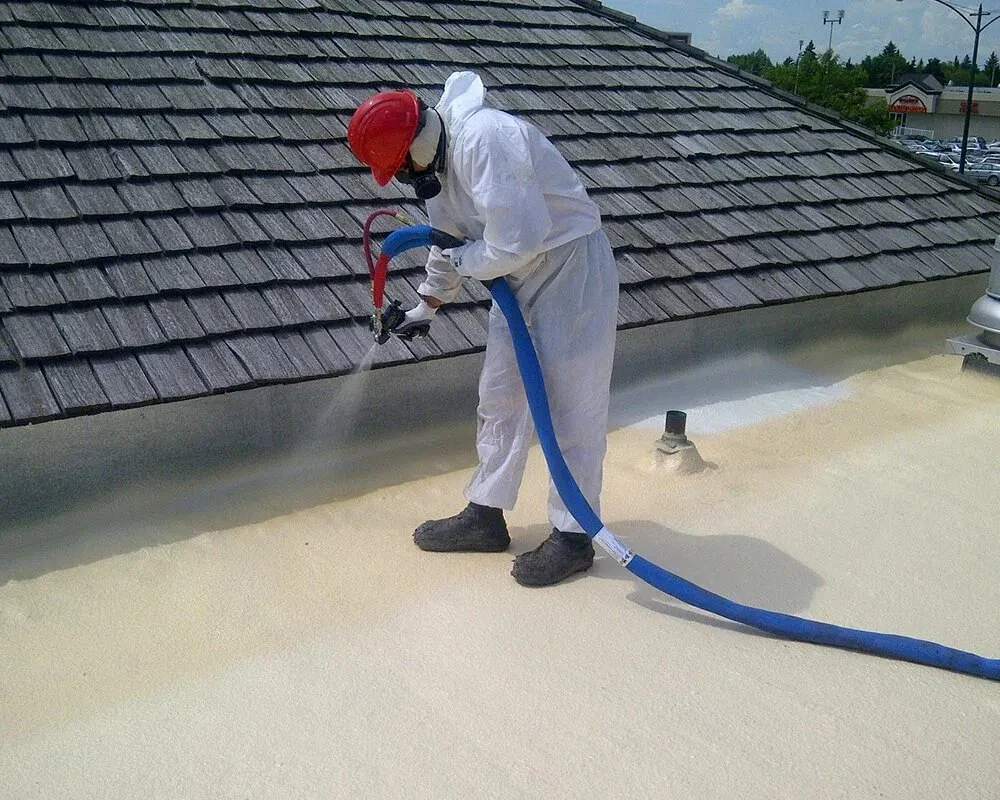
During construction, we sequence tear-off in manageable daily sections matched to the crew's ability to complete dry-in before end of shift. Edge metal, coping, and flashing details get installed to manufacturer specification, not field-improvised, because those details are where most premature roof failures start. Final walkthrough includes photo documentation and warranty registration paperwork.
Questions Building Owners Ask Before Reroofing
How do you know if a roof needs full tear-off instead of a recover?
We run a moisture survey using infrared scanning or core cuts. If insulation underneath the existing membrane is dry and still meets current code thermal requirements, a recover system can be installed over it. If there's wet insulation anywhere in the field, that section needs to come out, because sealing water into the assembly guarantees future problems.
Can reroofing happen while our building stays occupied?
Yes, on most projects. We phase tear-off and dry-in in sections so the building stays weathertight every night, and we coordinate noisy work and material staging around occupied hours when that matters, particularly for medical offices and government buildings with public-facing hours.
What warranty comes with a commercial reroof?
Warranty terms depend on the manufacturer and system specified, and range from material-only coverage to full system warranties that include labor. We document installation to the manufacturer's requirements throughout the project so the warranty registers without gaps.
How long does a typical distribution center reroof take?
It depends on square footage, deck condition, and weather windows, but large single-story warehouse roofs in the Carlisle and Silver Spring Township corridor typically run several weeks from mobilization to final inspection. Multi-building campuses get phased so operations aren't disrupted all at once.
Do you handle the procurement paperwork for state or municipal reroofing bids?
Yes. We provide the manufacturer spec sheets, wind uplift data, fire rating documentation, and warranty terms that state and township procurement processes typically require as part of a bid or RFP response.