
Commercial Roofing Services
Commercial Roofing
Harrisburg, PA
Harrisburg, PA
Wind and Storm Damage Roof Insurance Claims in Harrisburg, PA


Wind and Storm Damage Roof Insurance Claims in Harrisburg
The Susquehanna river valley funnels weather in ways that catch a lot of Harrisburg-area building owners off guard. Fast-building summer thunderstorm cells, occasional derecho-style straight-line wind events, and the remnants of Gulf and Atlantic tropical systems that track up the valley can all put commercial roofs under real wind load, sometimes with very little warning. Wind damage claims are some of the most common commercial roof claims we help document in this region, and they're also some of the easiest to get wrong without a careful inspection.
What Wind Actually Does to a Commercial Roof
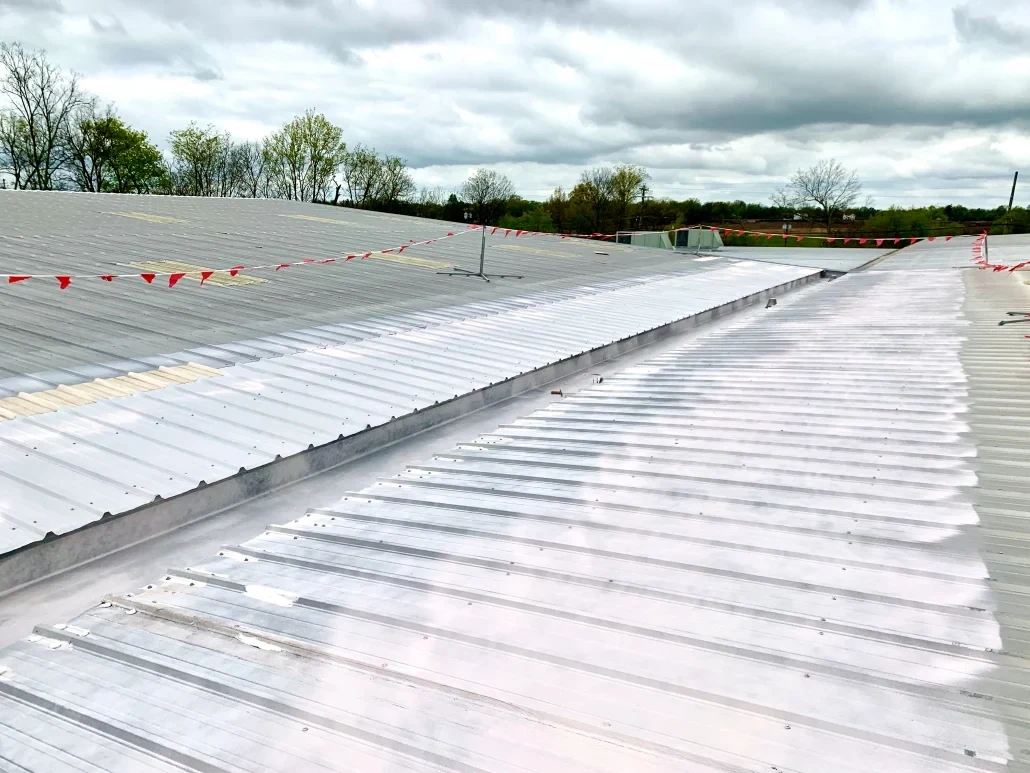
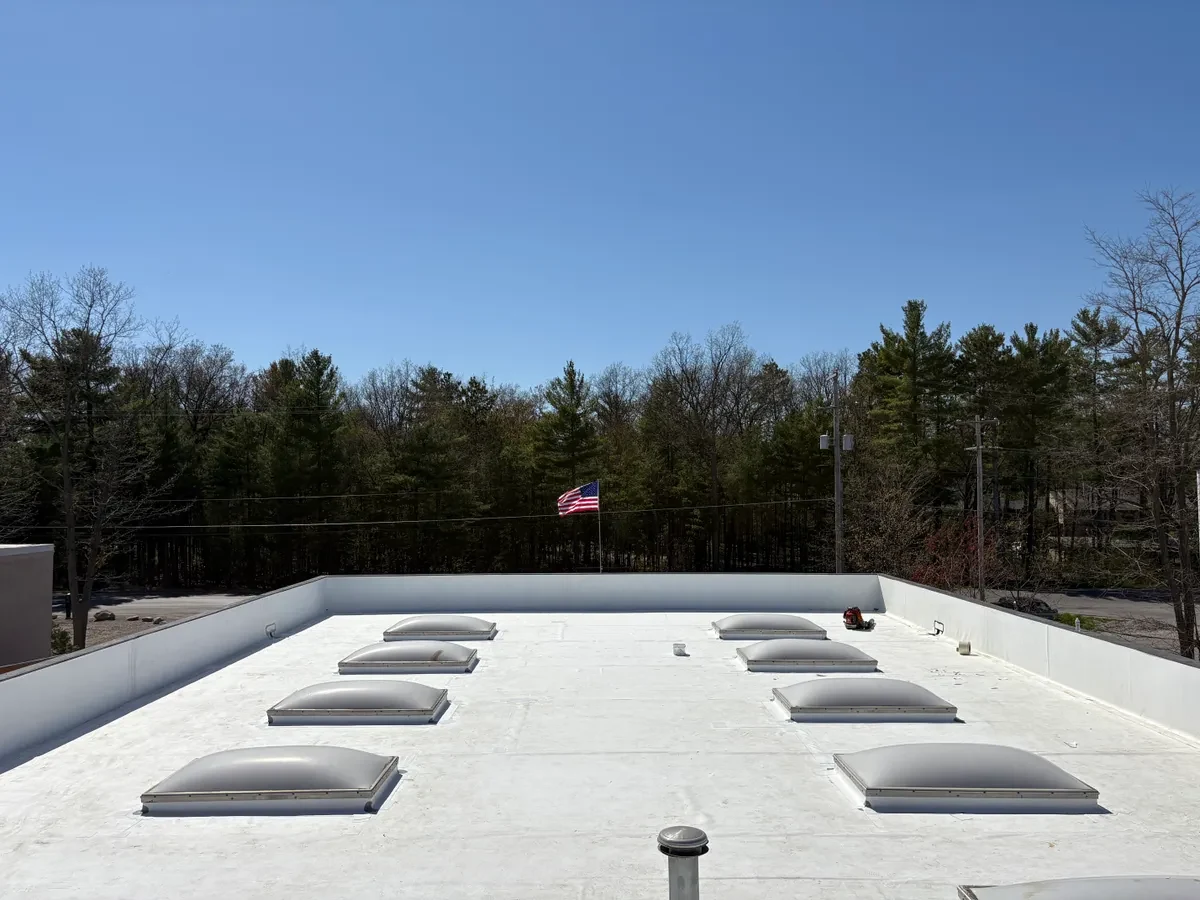
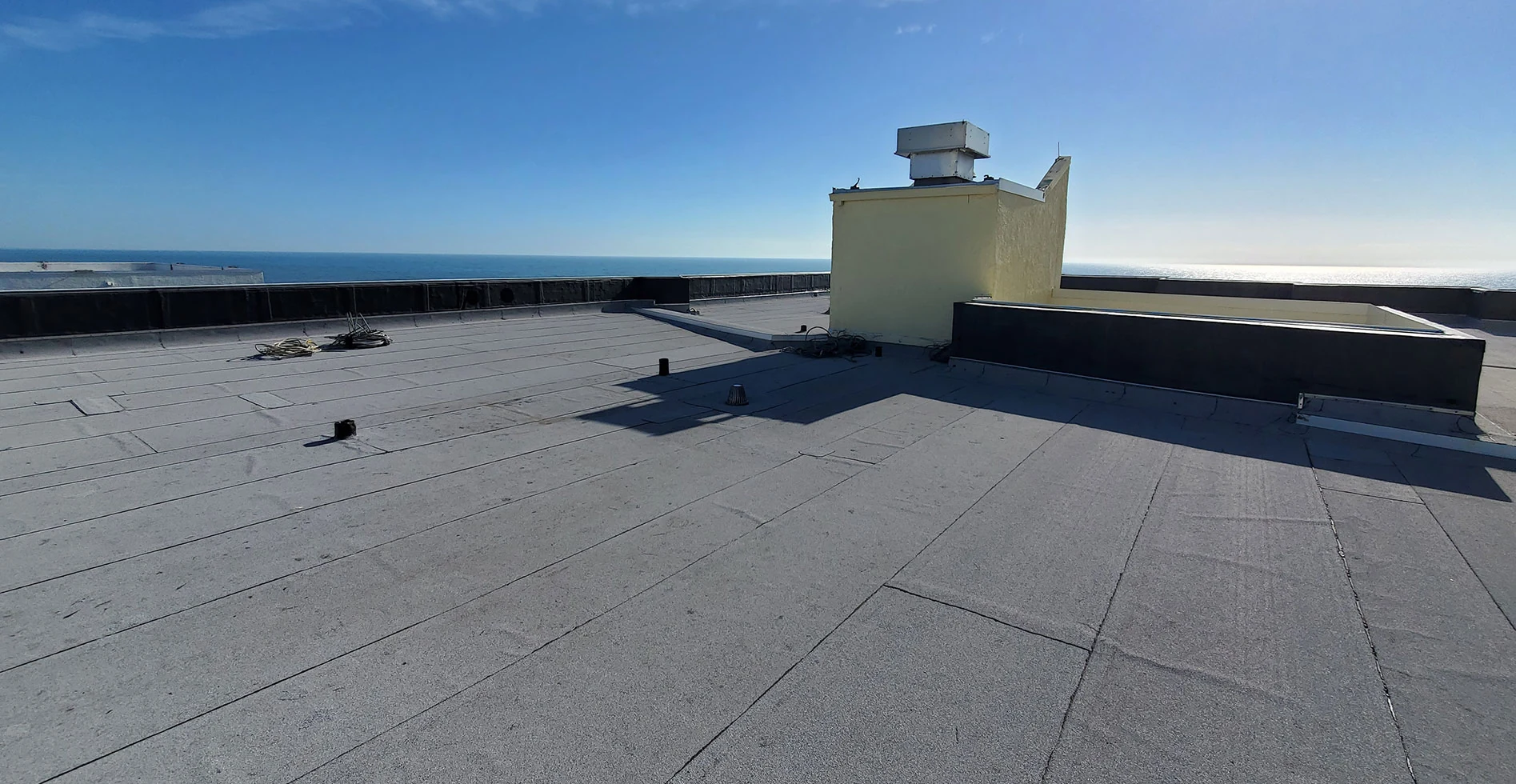
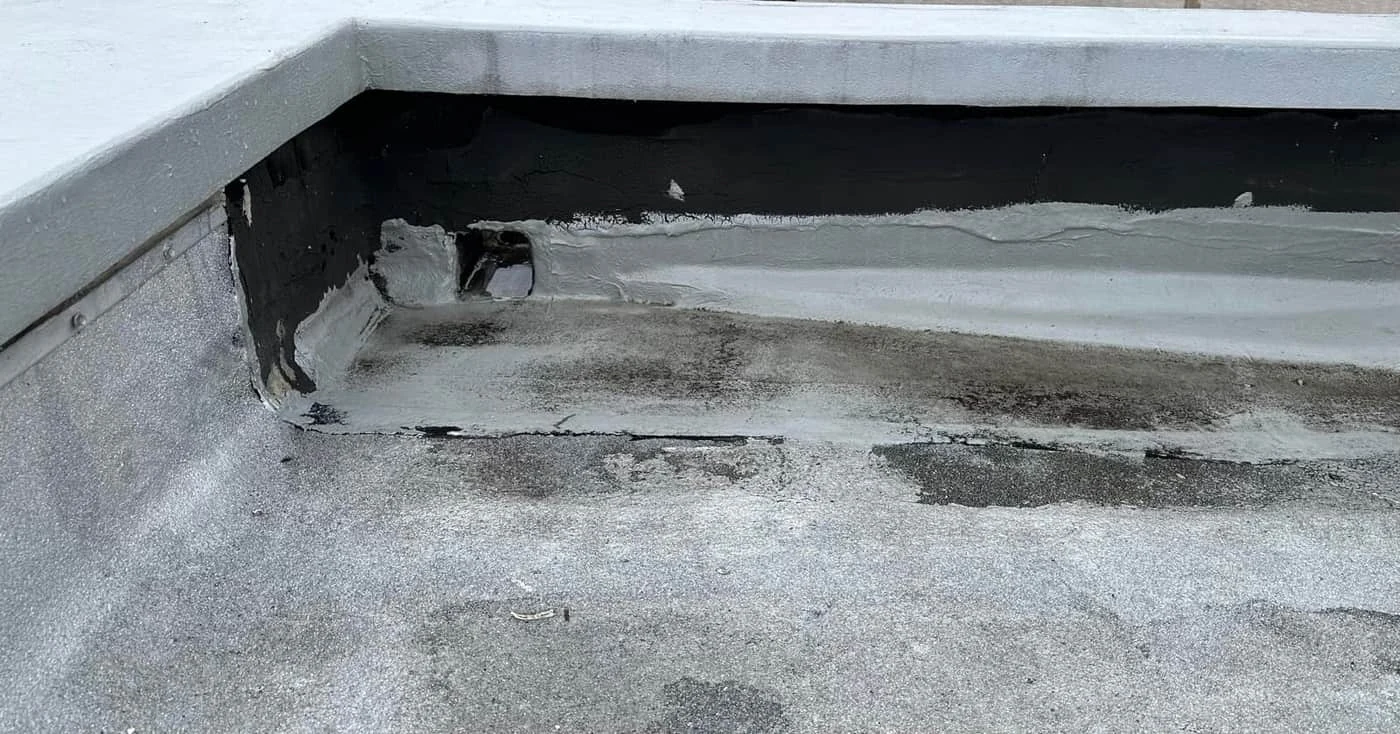
Membrane roofs — TPO, EPDM, and PVC systems common on newer warehouse and office construction around Camp Hill, Enola, and the I-81 corridor — fail at the edges first. Wind uplift works at parapet walls, edge metal, and mechanical fastener rows before it tears into the field of the roof, and that pattern matters for a claim: uplift starting at the perimeter and working inward is a recognizable wind signature, distinct from isolated field punctures that point to a different cause. On built-up and modified bitumen roofs common on the region's older institutional buildings, wind tends to lift and tear cap sheets or ballast at parapets and equipment curbs rather than uplift the whole membrane at once.
Documenting a Wind Event
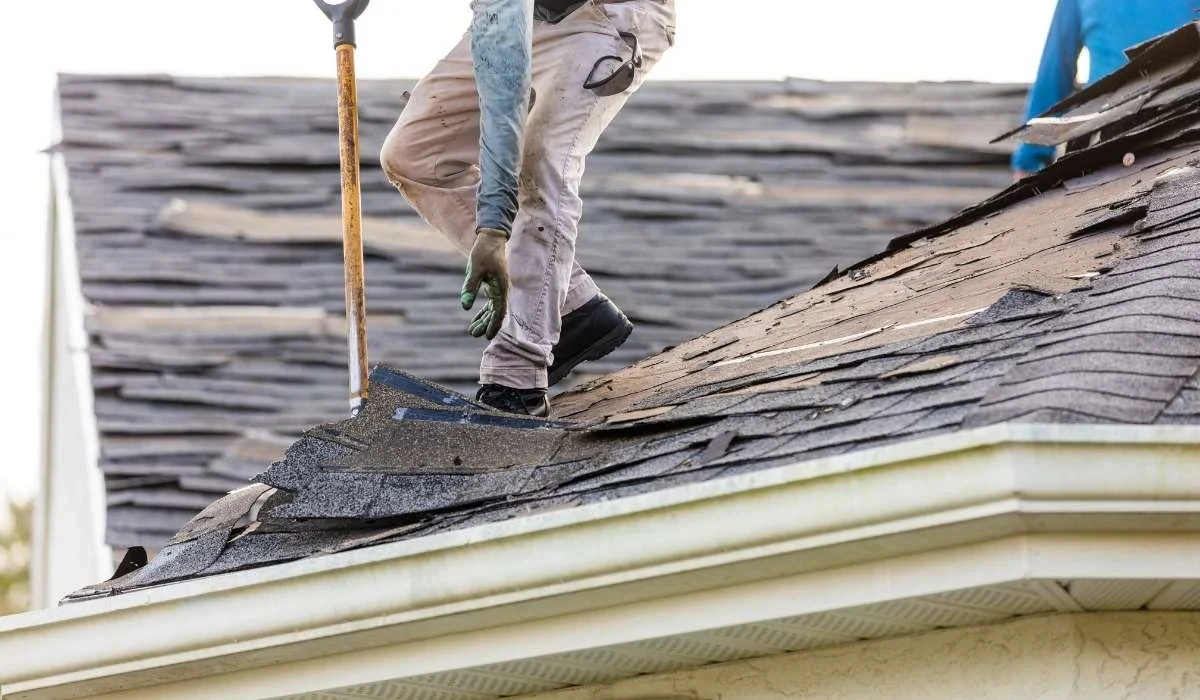
We tie our documentation to a specific weather event where possible — the date, the type of storm, and, when available, reported wind speeds for the area — and photograph the damage pattern in a way that supports that cause. Edge metal and coping failures, membrane pulled loose at fastener rows, and displaced ballast or pavers are all documented by location, because a scattered pattern across multiple roof zones tells a different story to an adjuster than a single isolated tear does.
Wind Damage Versus Installation Defects
One of the more difficult calls in a wind claim is separating storm damage from a roof that was already vulnerable because of an installation issue — fastener spacing that didn't meet the wind uplift rating for the building's exposure category, for example. We note when a failure pattern looks consistent with an underlying installation issue rather than storm force alone, because that distinction affects how a carrier evaluates the claim, and it's better for the building owner to have that information upfront than to have it surface later in the process.
Large Roof, Limited Inspection Window
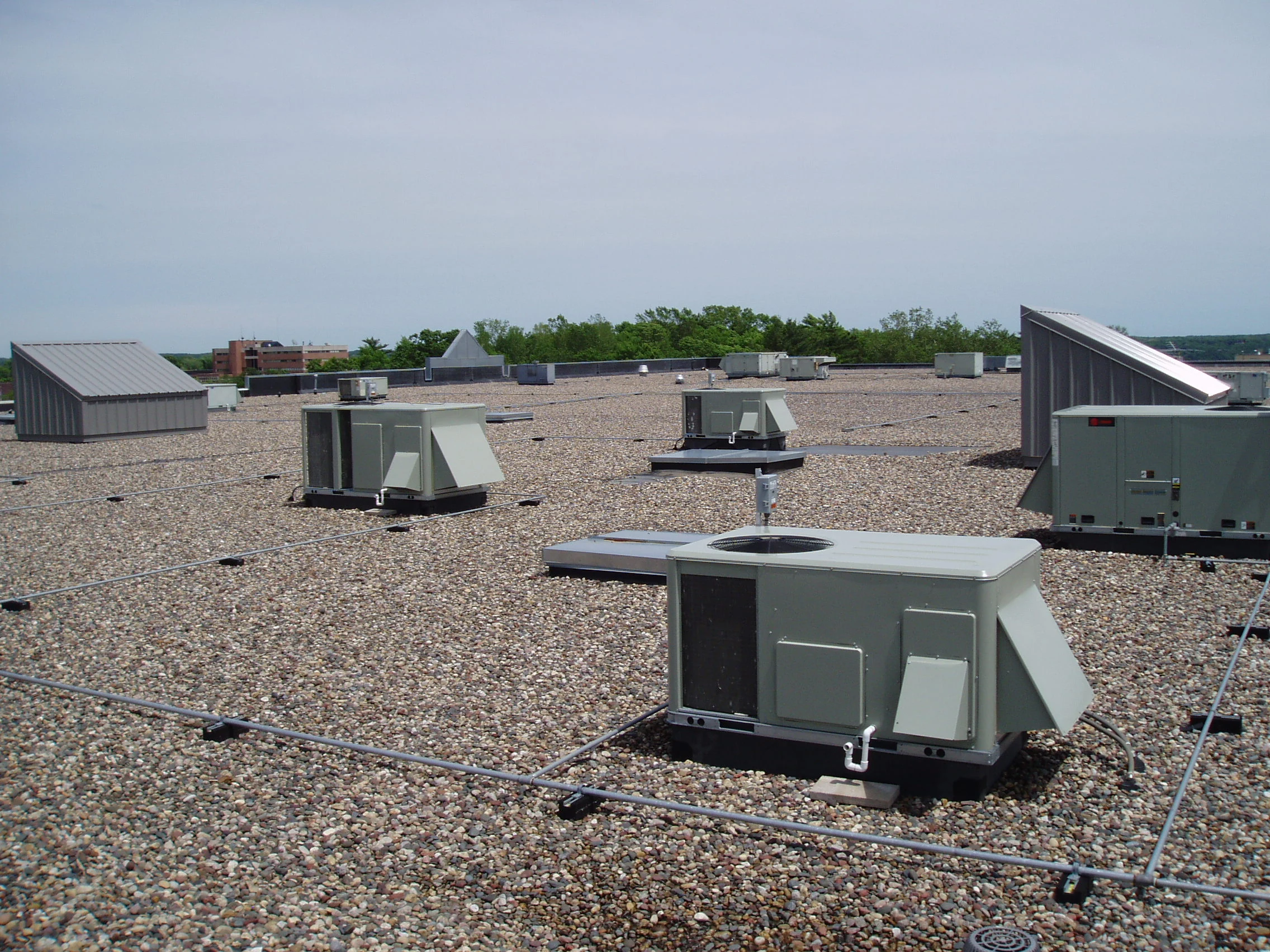
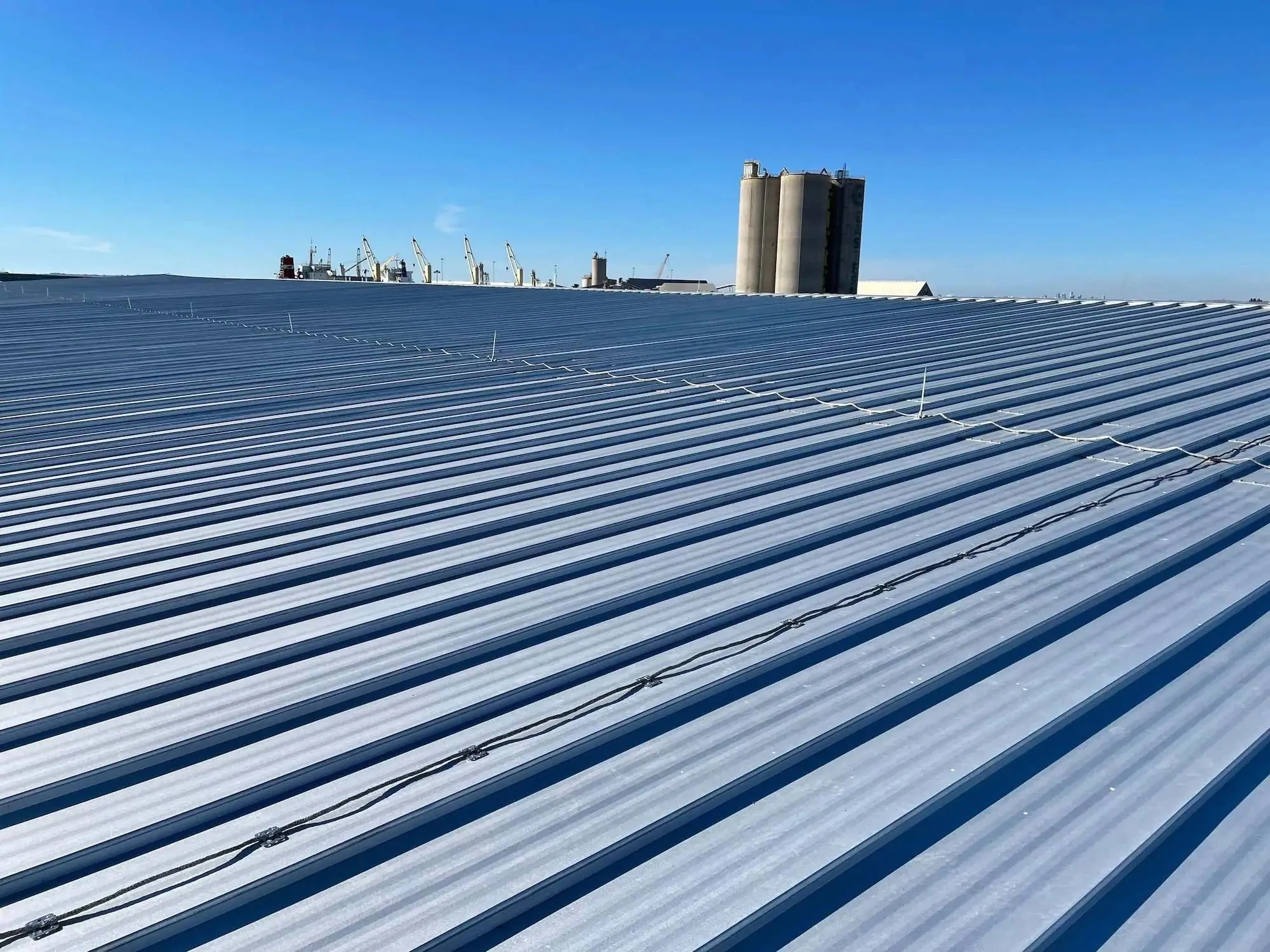
Distribution and logistics buildings along the I-81 and I-78 corridor can have roof areas well over a hundred thousand square feet, and a single wind event can leave damage scattered across several disconnected zones. We map that damage systematically by zone before the adjuster visit, so the on-roof walk-through covers what actually needs attention instead of a general survey of a roof that size.
Multi-Building Wind Events
A single derecho or tropical remnant can affect commercial roofs across several municipalities at once — downtown Harrisburg, Swatara Township, Middletown, and out toward Hershey and Lebanon in the same afternoon. For property owners and management firms with several affected buildings, we use consistent documentation across each roof so a portfolio claim moves through the carrier's review as one coordinated submission rather than several inconsistent ones.
A note on our role: we're your roofing contractor, not a public adjuster. We inspect, document, and substantiate the roof damage so you and your adjuster are working from an accurate scope, not a guessed one.
Wind Damage Claim Questions Harrisburg Owners Ask
How do you tell wind damage apart from a roof that just wore out?
By the pattern. Wind uplift typically starts at parapets, edge metal, and fastener rows and works inward, which looks different from scattered wear or isolated aging failures. We document the pattern and note the roof's general condition alongside it.
Do you document the actual storm that caused the damage?
Yes, where possible we tie the documentation to the specific weather event — date, storm type, and available wind data for the area — because that connection supports the claim's credibility with the adjuster.
Can a roof already have a weakness that made wind damage worse?
It can. If we see a pattern that looks tied to an installation issue like fastener spacing rather than storm force alone, we note that in the assessment rather than characterizing everything as wind damage.
How do you handle a wind claim on a very large distribution center roof?
We map damage by zone across the full roof area before the adjuster's visit, so the walk-through is focused on the affected sections instead of a general survey of the entire roof.
What if the same storm damaged several of our buildings at once?
We use the same documentation and photo organization format across every affected property, which helps a carrier process a multi-building claim as one coordinated submission.