
Industries We Serve
Commercial Roofing
Harrisburg, PA
Harrisburg, PA
Logistics & 3PL Warehouse Roofing in Harrisburg, PA

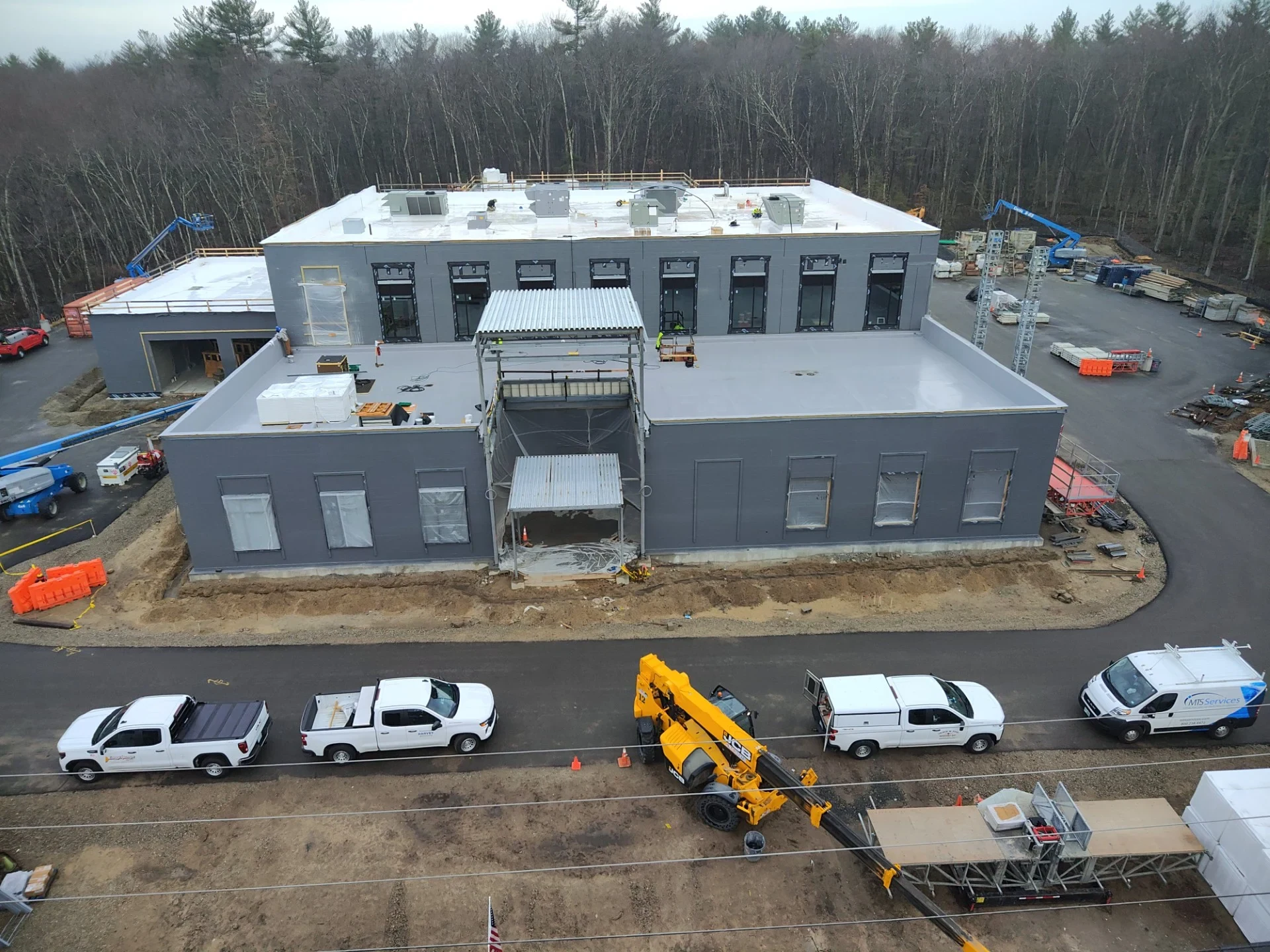
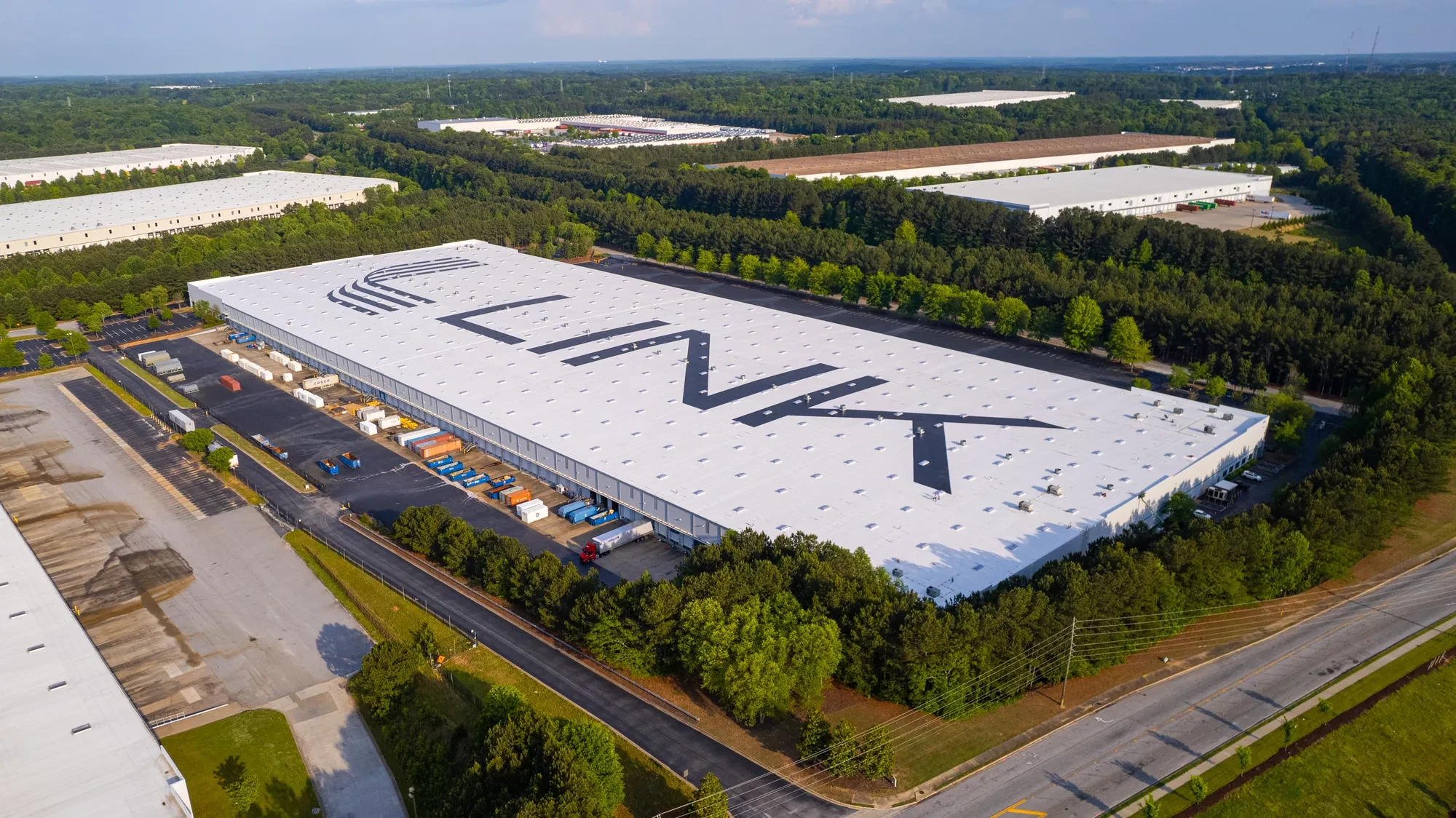
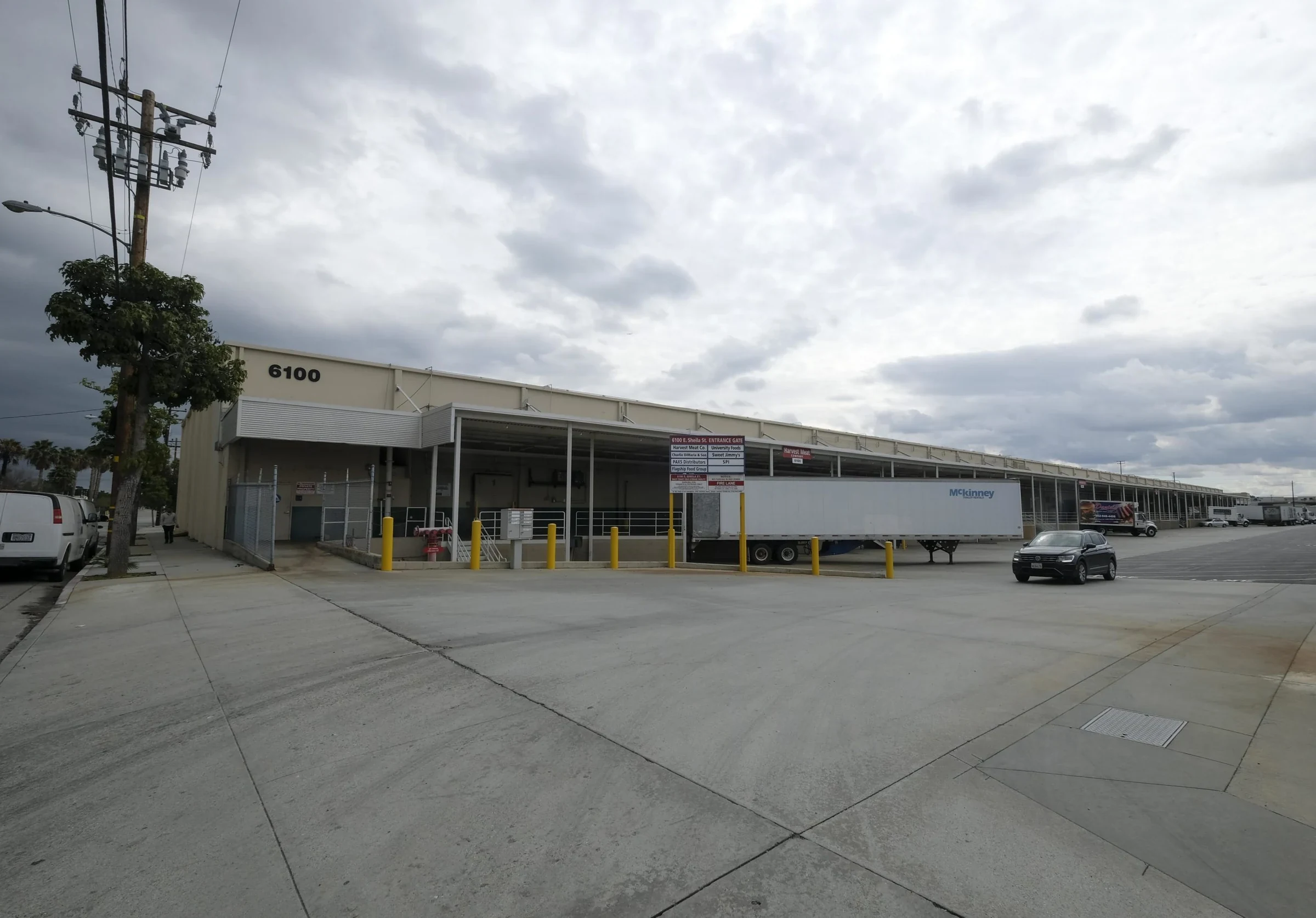
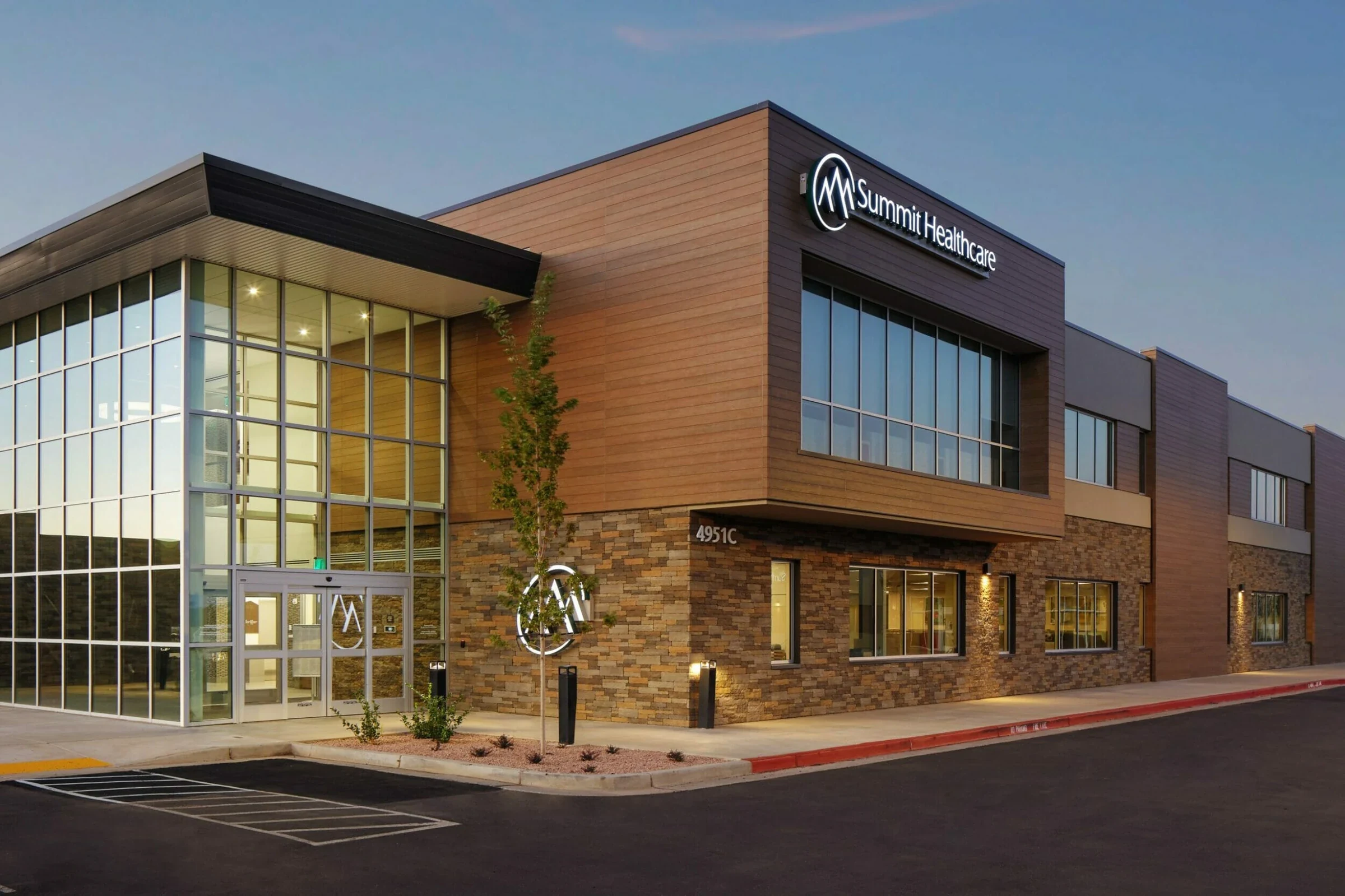
Roofing the I-81 Distribution Corridor for 3PL and Logistics Operators
Central Pennsylvania sits at the crossroads of I-81, I-83, and I-76, and the warehouse construction that's followed has made the Cumberland Valley one of the busiest distribution corridors on the East Coast. Facilities directors running roofs across that footprint need pricing and scheduling that account for throughput, not merely square footage.
The Warehouse Belt Running Carlisle Through Silver Spring Township
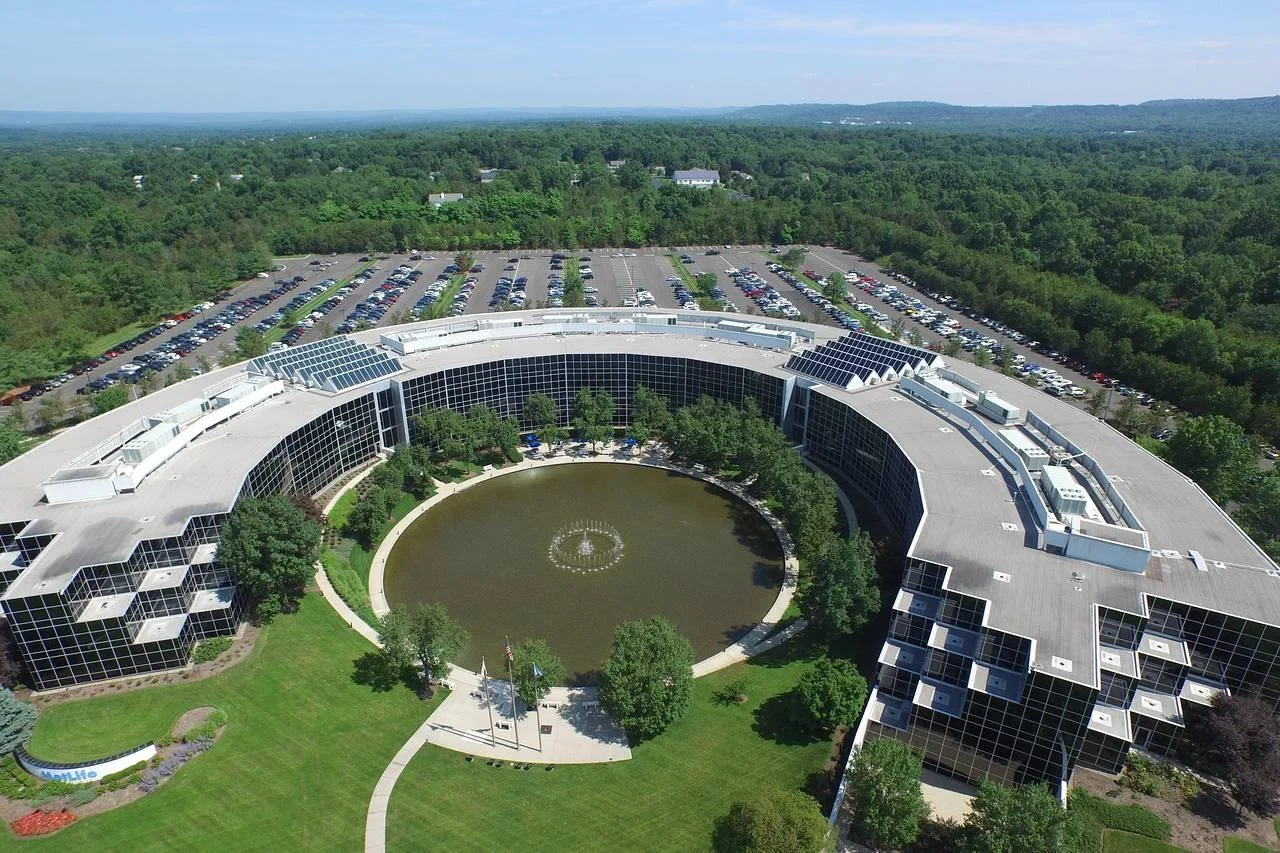
Carlisle sits at the I-81 interchange and carries some of the largest single-roof warehouse footprints in the region, mega-distribution buildings running 500,000 square feet or more under one membrane. Silver Spring Township, just north along the same corridor, has absorbed a wave of newer fulfillment construction as land near the interstate exit fills in.
Further south, New Cumberland's Defense Distribution Center depot sits along I-83 and represents a different category entirely: federal facility roofing with its own spec and access requirements layered on top of standard commercial practice. Swatara Township's I-283 cluster and the split at Jonestown where I-81 meets I-78 round out the corridor's other major nodes, each with roofs built in roughly the same construction era and now approaching the same maintenance decisions together.
Membrane Specification for Large-Footprint Flat Roofs
At warehouse scale, the membrane conversation is a service-life and lifecycle-cost question more than a brand preference. Carlisle SynTec's own manufacturing headquarters sits inside this market, in Carlisle, which means TPO and EPDM specification support and warranty service for that product line are effectively local rather than routed through a distant regional office.
We spec 60-mil TPO on standard dry warehouse roofs where budget governs the decision and 80-mil or PVC where rooftop foot traffic, chemical exposure, or a longer intended hold period justifies the added membrane thickness. Older buildings in the corridor still carrying built-up or modified bitumen roofs from an earlier construction wave usually qualify for a recover rather than a full tear-off if the deck inspection comes back sound, which changes both cost and disruption.
Where a facility already carries Johns Manville, Sika Sarnafil, GAF, Versico, or Holcim Elevate product, we match the existing system's spec on any addition or partial reroof so the warranty stays intact across the full roof instead of fragmenting into mismatched sections.
Scheduling Reroofs Around Dock Doors and Peak Shipping Windows
A distribution center's roof crew can't set up staging where a trailer needs to back into a dock door, and material delivery timing on a warehouse-scale job has to follow the facility's own inbound freight schedule rather than the roofer's convenience. We section the work area building by building on multi-building sites so dock doors on the active side of the facility stay clear while crews work the opposite elevation.
We also build the schedule around known peak periods. A 3PL running seasonal fulfillment volume doesn't want crane activity and tear-off noise landing during a peak pick week, so mobilization dates get set against the facility's own shipping calendar rather than whatever slot opens first on a crew schedule.
What We Document Before Pricing a Multi-Building Roof Program
Facilities directors managing several buildings across the corridor typically want one comparable number per roof rather than five different bid formats. We build that number from the same inputs on every building in the portfolio:
- Current membrane type, thickness, and manufacturer where the field inspection can confirm it
- Remaining service life based on core cuts and field condition, not roof age alone
- Drain and scupper capacity against current rooftop unit load
- Wind uplift rating relative to building height and open-terrain exposure along the interstate
- Recover eligibility versus full tear-off requirement per building
- Estimated cost per square foot over a 15- to 20-year hold horizon
Warranty Terms That Match a Portfolio's Hold Period
A manufacturer's standard warranty term rarely lines up automatically with how long a logistics operator actually plans to hold a given facility. We walk through NDL (no dollar limit) versus standard warranty options and the wind speed coverage specific to the open terrain many corridor sites sit on, since a warehouse built on cleared land outside Grantville or Jonestown carries different uplift exposure than an infill building closer to Harrisburg proper.
We register warranty paperwork directly with the manufacturer at project close, which matters more on a multi-building portfolio where an asset can trade hands and the next owner needs the warranty to transfer cleanly rather than getting lost in file storage.
Questions Facilities Directors Ask Before a Warehouse Reroof
Can you price a reroof for one building while the rest of our portfolio stays on inspection-only status?
Yes. Most portfolios don't reroof every building in the same year, and we rank buildings by field condition so budget goes to the roof that needs it first rather than spreading a limited reserve evenly.
How does roofing a federal facility like the New Cumberland depot differ from a standard commercial warehouse?
Federal sites typically carry their own specification and access-clearance requirements on top of the roofing scope itself. We work within whatever documentation and access process the facility requires rather than assuming standard commercial procedure applies.
Will a reroof interrupt our inbound freight schedule?
We build the work plan around it specifically. Dock door access, staging zones, and crane setup all get mapped against your shipping calendar before we mobilize a crew.
Do you work with a regional real estate office, or do we need someone on site every day?
Either. We're set up to coordinate scope, pricing, and scheduling with a regional office while keeping a site-level contact informed for day-to-day access and safety walkthroughs.
What happens if we're mid-lease and the building trades hands before the warranty term is up?
The manufacturer warranty is tied to the building and registered at project close, so it transfers with the property. We keep copies of the registration and inspection history on file if a new owner's team needs documentation.