
Commercial Roofing Services
Commercial Roofing
Harrisburg, PA
Harrisburg, PA
Roof Recover and Overlay Systems in Harrisburg, PA
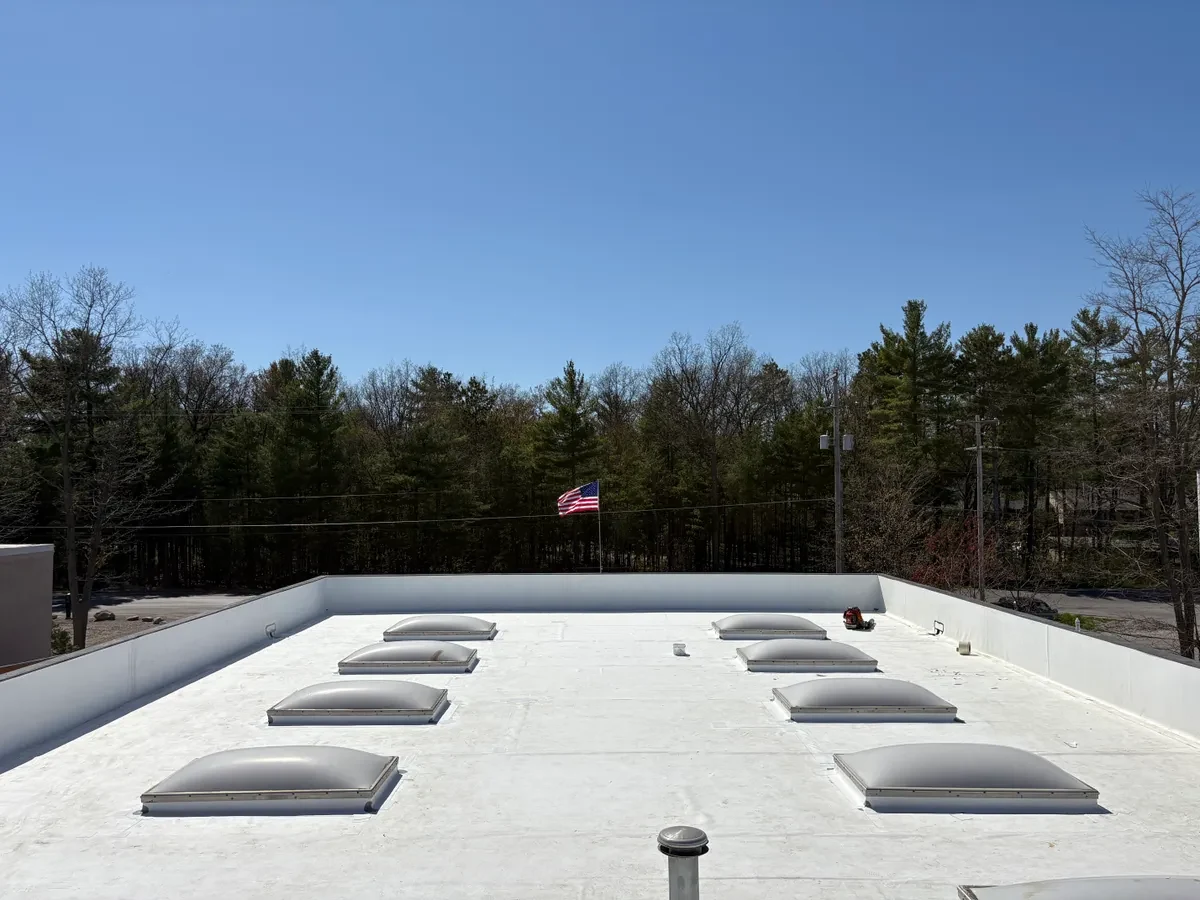

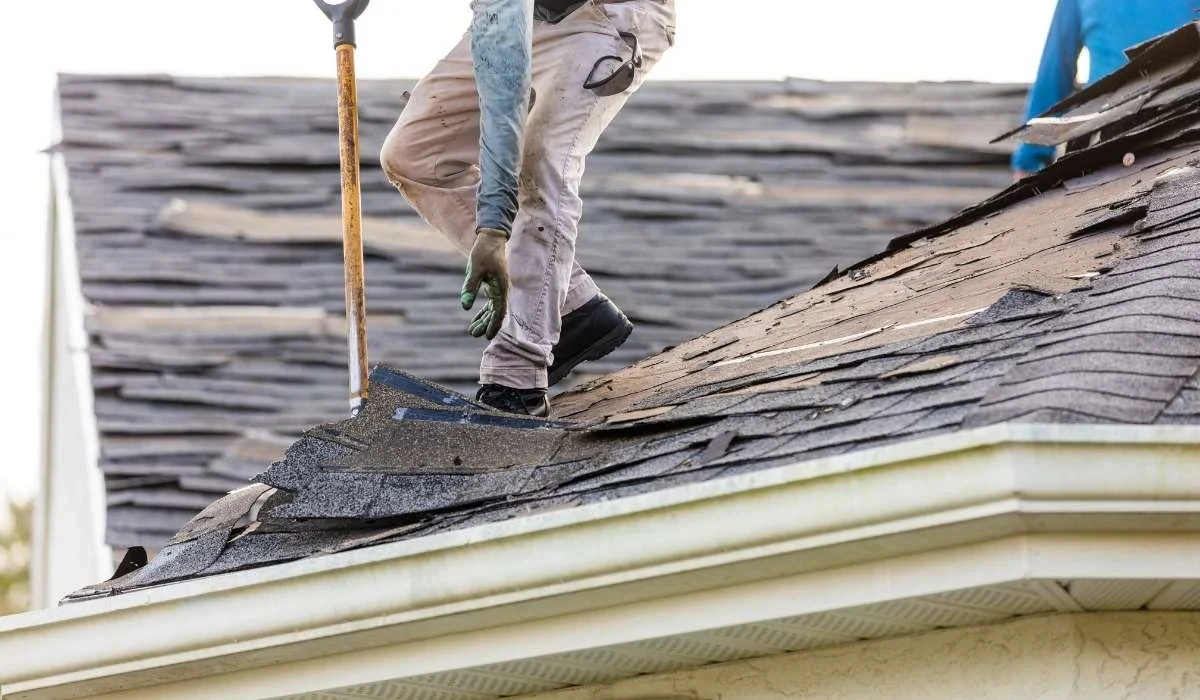
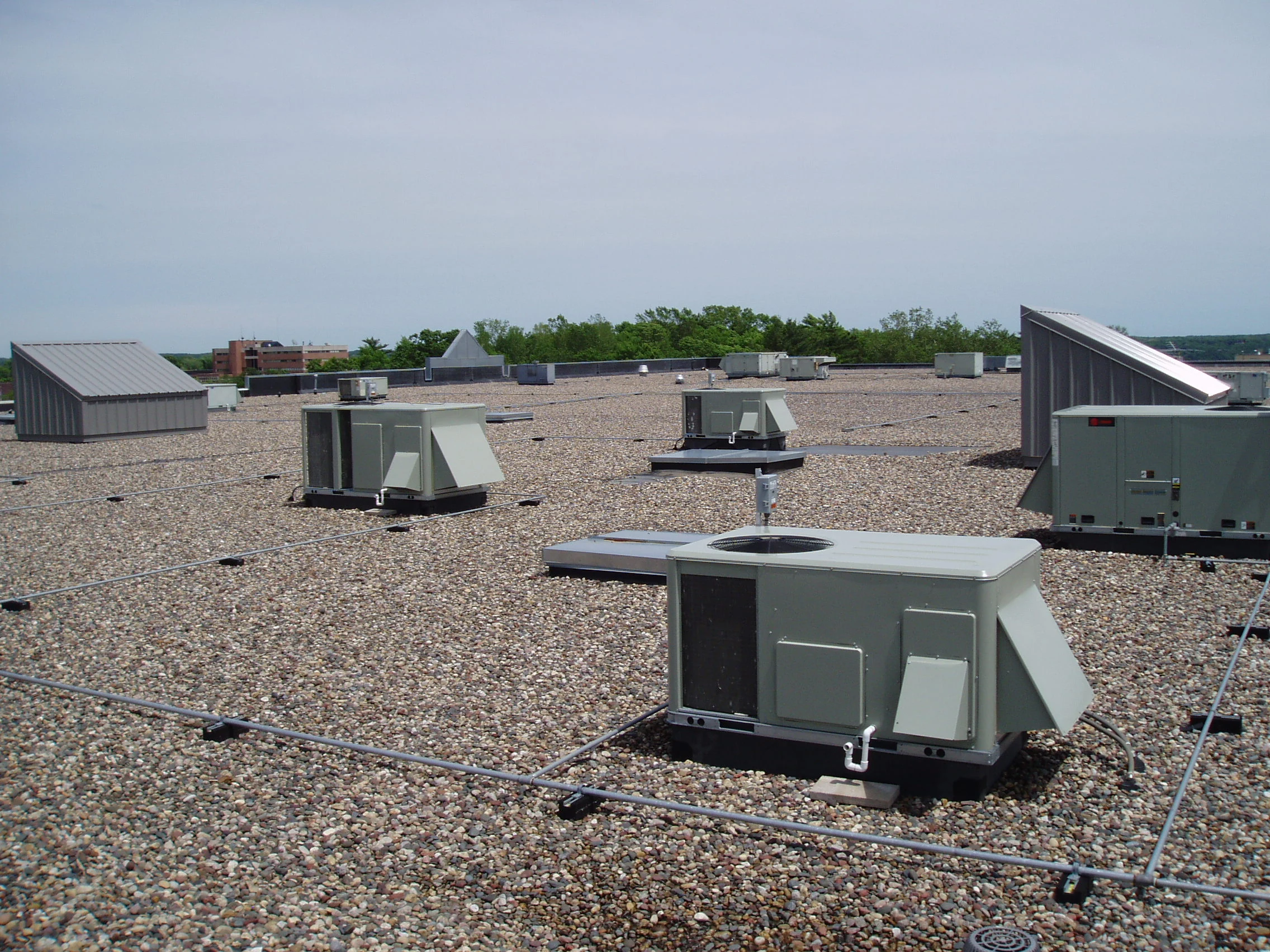
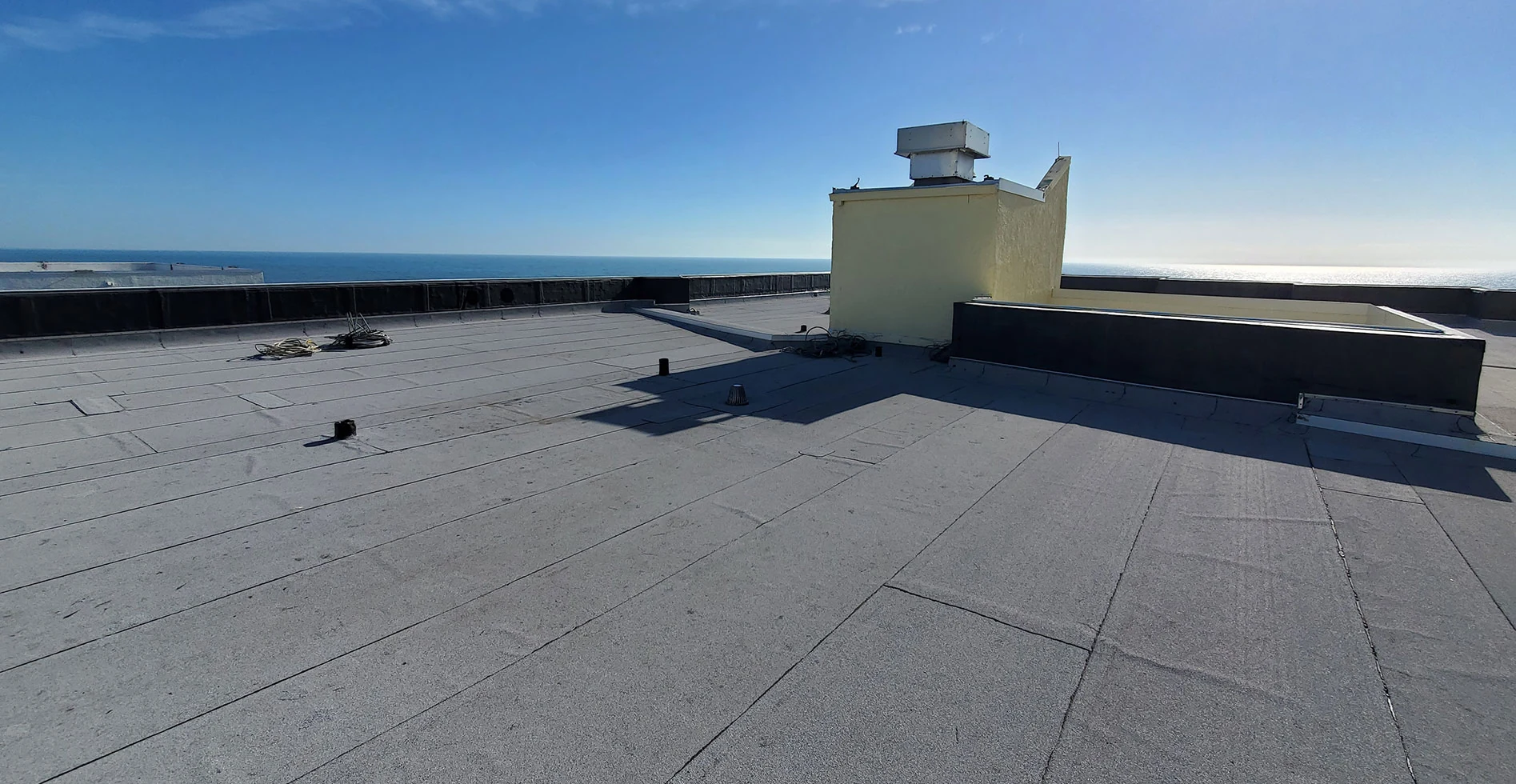
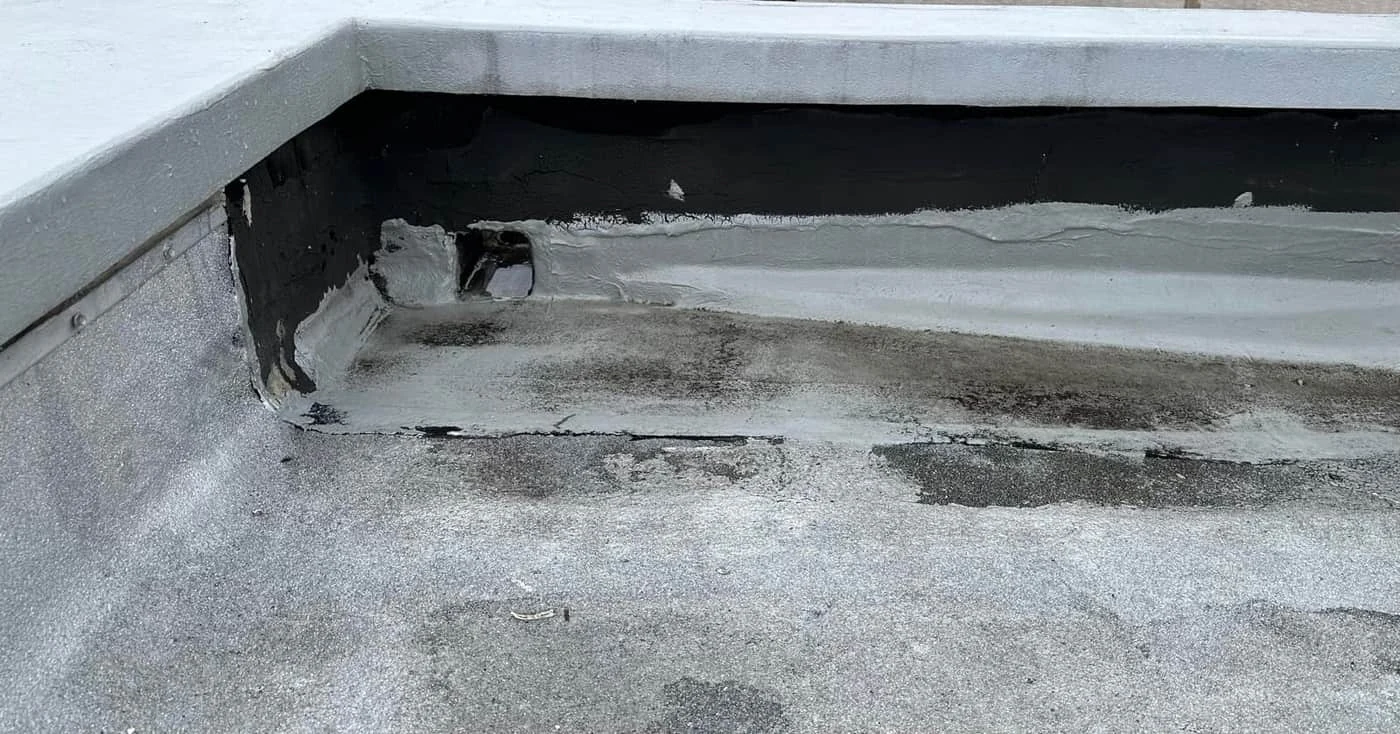
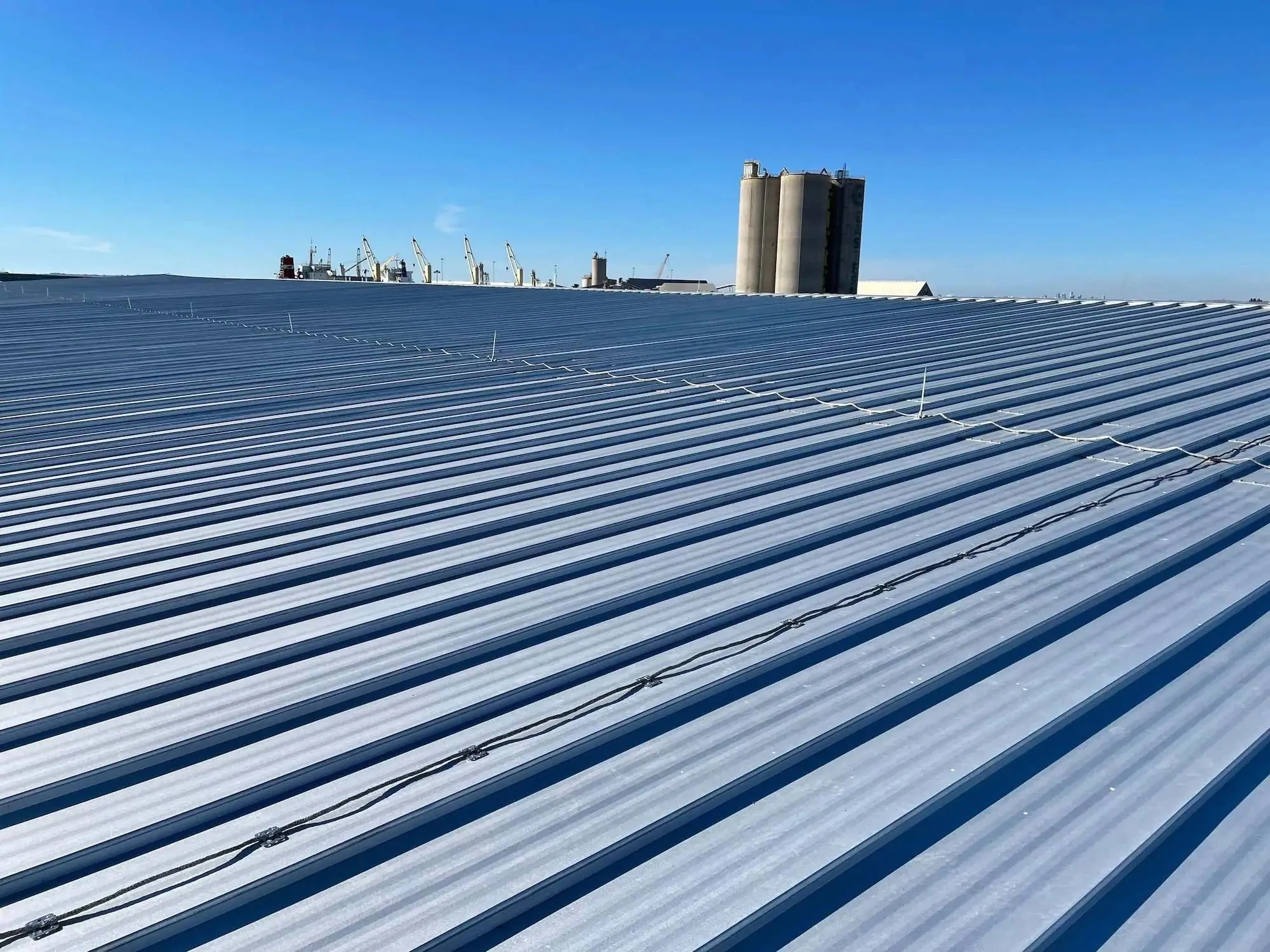
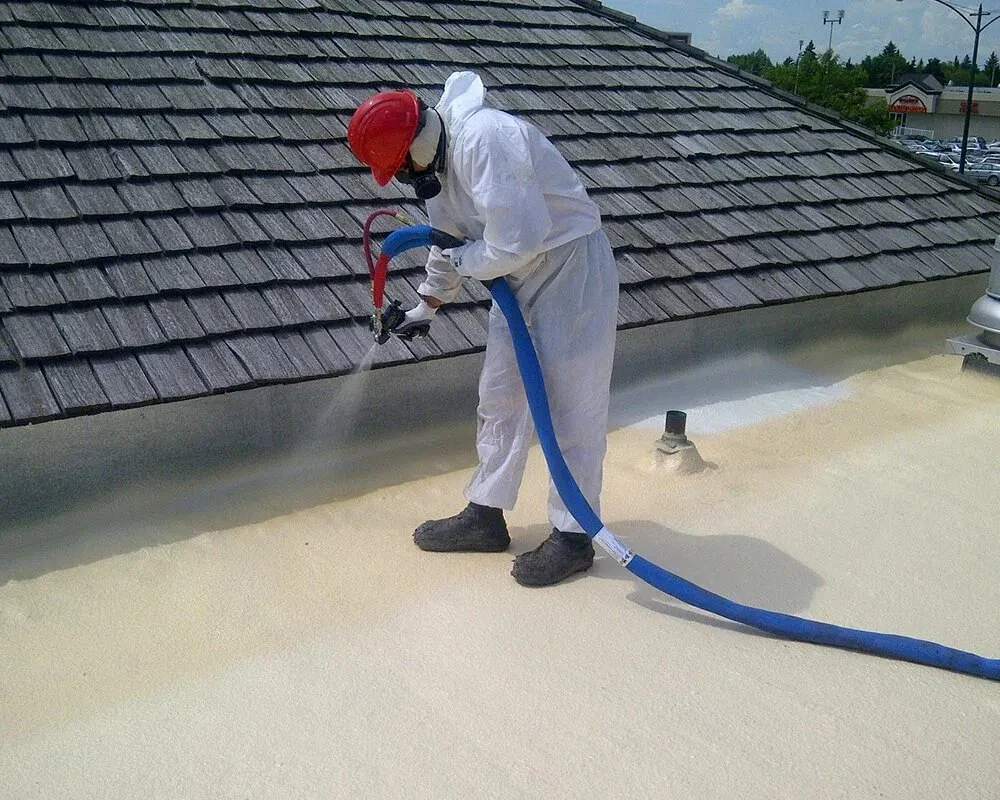
Recover Systems: Extending a Roof's Life Without Full Tear-Off
A recover system installs new insulation and membrane directly over an existing roof assembly rather than tearing the old system off down to the deck, and it's a real option on a meaningful share of the older commercial buildings we inspect around Marysville, Elizabethtown, and the smaller boroughs along the river. Recover isn't right for every roof, but where it applies, it cuts both project cost and disruption significantly compared to full replacement.
What Building Code Actually Allows
The building code governing recover work limits how many existing roof layers can remain in place before a new system goes down, generally capping a roof at two existing membrane layers before code requires tear-off rather than another recover. We check the roof's layer history before proposing any recover scope, since some older buildings, particularly ones near Marysville and the smaller river boroughs that have had multiple partial recovers over the decades, are already at or past that code limit and legally require tear-off regardless of substrate condition.
The Moisture Survey Is Not Optional
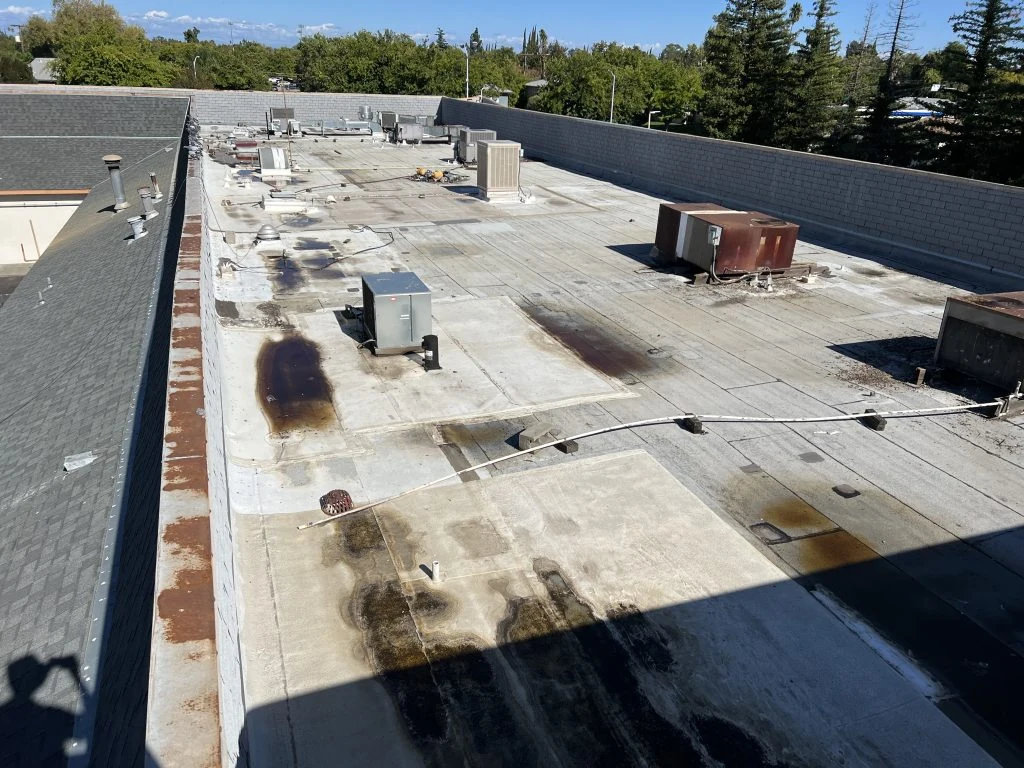
Recover only works if the existing insulation underneath is dry. Covering wet insulation with a new membrane doesn't stop the moisture problem, it seals it in, where it continues degrading insulation R-value and can eventually rot a wood deck or corrode a steel deck from below. Every recover proposal we write is based on infrared scanning or core-cut moisture survey data, not a visual inspection from the roof surface, because wet insulation often shows no visible surface sign until the problem has already spread significantly.
Tapered Insulation to Correct Drainage
A recover project is a real opportunity to fix drainage problems that plagued the original roof, since new tapered insulation board can be designed to route water toward drains more effectively than the original flat or poorly sloped assembly did. Buildings near Elizabethtown's rail-served industrial stock and older manufacturing facilities near Palmyra often show ponding patterns traceable directly to inadequate original slope, and a recover project lets us correct that permanently rather than just adding a new membrane over the same flawed drainage design.
- Existing layer count checked against code recover limits before scoping
- Moisture survey required before any recover proposal is finalized
- Tapered insulation design to correct existing drainage deficiencies
- New cover board and membrane installed over confirmed dry substrate
- Flashing and edge detail rebuilt to current code, not carried over as-is
- Manufacturer warranty registration for the new recover assembly
Cost and Disruption Compared to Full Tear-Off
Recover typically costs less than full tear-off and replacement because it avoids demolition, deck exposure, and disposal of the old roofing material, and it generates far less debris and noise on an occupied building. For state and institutional owners working within a constrained capital cycle, that cost difference often determines whether a roof project happens this budget year or gets deferred, which is why we present recover as a genuine option whenever the moisture survey and layer count support it, rather than defaulting every proposal to full replacement.
When Recover Isn't the Honest Recommendation
We don't recommend recover on a roof with widespread wet insulation, deck deterioration, or a layer count already at the code limit, even when a recover proposal would be the easier sale. Covering a compromised roof just defers the real problem to a future owner or a future budget cycle, and we'd rather tell a client the honest scope up front than sell a recover system that's likely to underperform.
Recover Assemblies on Cold Storage and Food Processing Buildings
Recover work on cold storage and food processing roofs near Lebanon requires extra attention to vapor retarder placement, since these buildings drive moisture toward the roof deck from the conditioned interior space below rather than from weather above. A recover assembly designed without accounting for that interior vapor drive can trap condensation between the old and new insulation layers, causing hidden deterioration that a standard warehouse or office recover project wouldn't need to consider. We treat cold storage recover scopes as a distinct assembly design problem rather than applying a standard recover detail across every building type.
Recover and Overlay Questions
How do you know how many roof layers already exist on a building?
Core cuts through the existing roof assembly show every layer down to the deck. This is standard practice before any recover proposal, since layer count is a hard code limit, not a judgment call.
Can a recover system go over a roof with isolated wet spots?
Sometimes, if the wet area can be isolated, repaired, and dried before the recover proceeds. Widespread saturation across the field rules out recover and points toward full tear-off instead.
Does a recover system come with the same warranty as full replacement?
Warranty terms depend on the manufacturer and the condition of the substrate the new system is installed over, and can be comparable to full replacement warranties in many cases, though this varies by manufacturer and project specifics.
How much less does recover cost compared to full tear-off?
Savings vary by project, but avoiding demolition, deck repair contingencies, and debris disposal generally makes recover meaningfully less expensive than full replacement when the underlying roof qualifies for it.
Can tapered insulation in a recover system actually fix a ponding water problem?
Yes, in most cases. Redesigning slope with tapered insulation board during a recover project is one of the most effective ways to permanently correct a drainage problem that a flat recover or a coating alone wouldn't solve.