
Commercial Roofing Services
Commercial Roofing
Harrisburg, PA
Harrisburg, PA
PVC Roofing in Harrisburg, PA

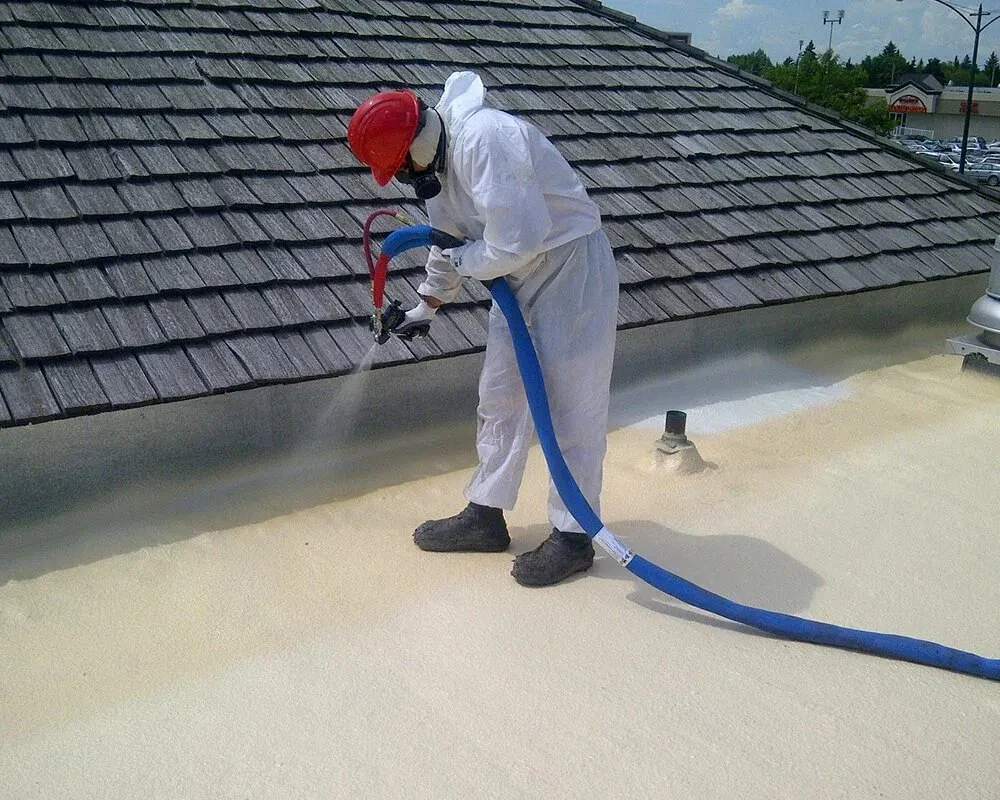
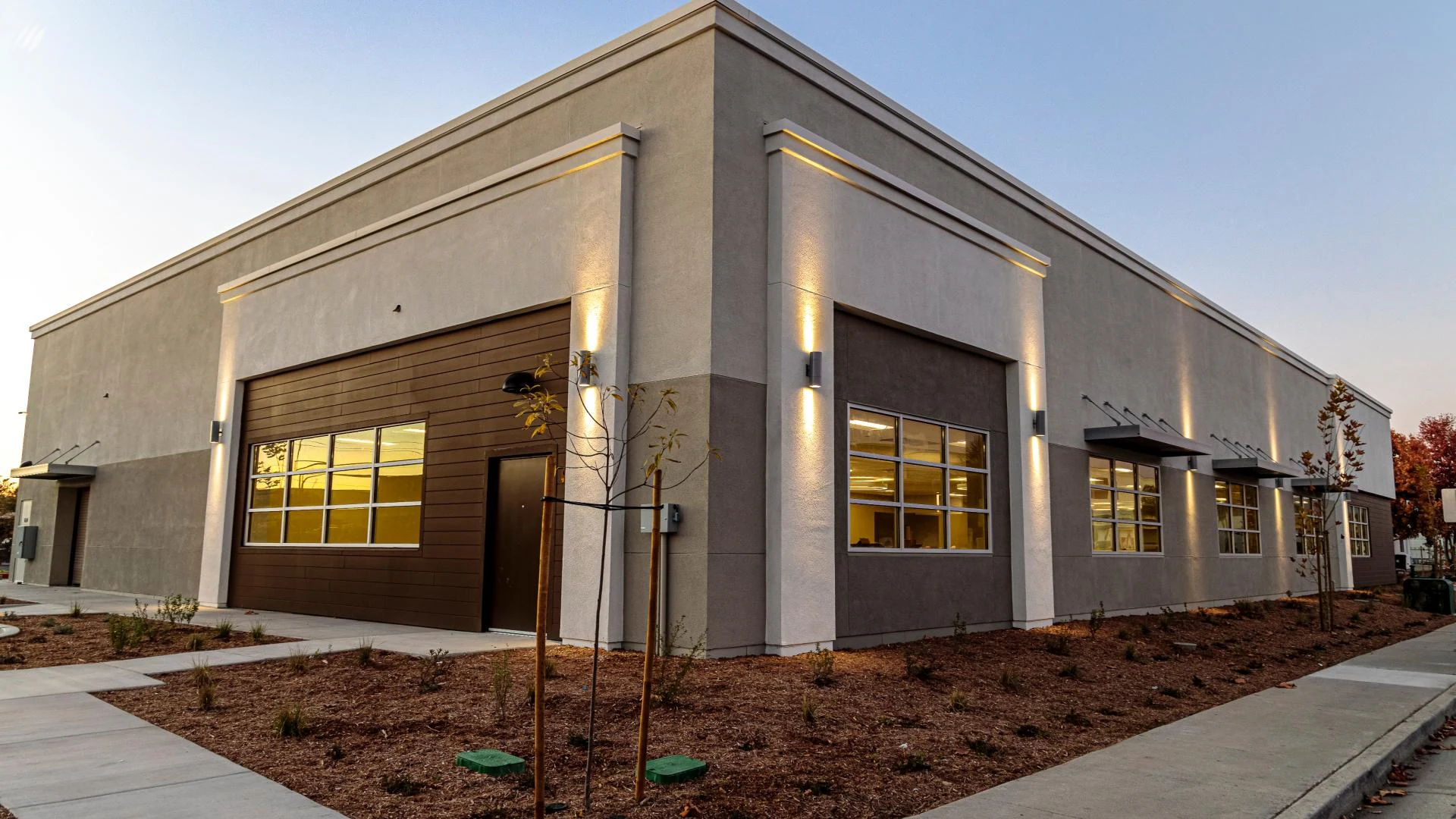
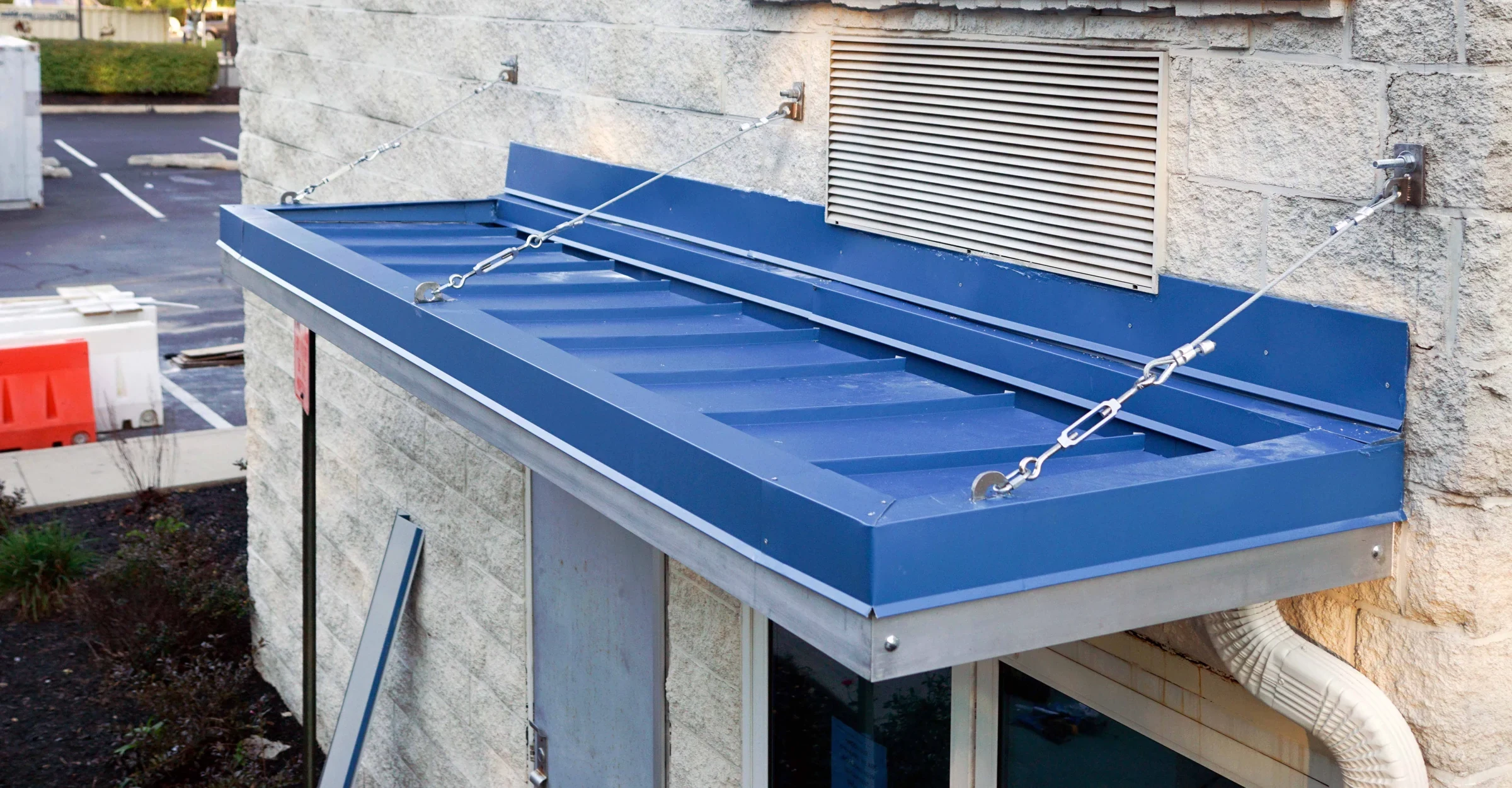
PVC Where Grease, Exhaust, and Chemical Exposure Rule Out Other Membranes
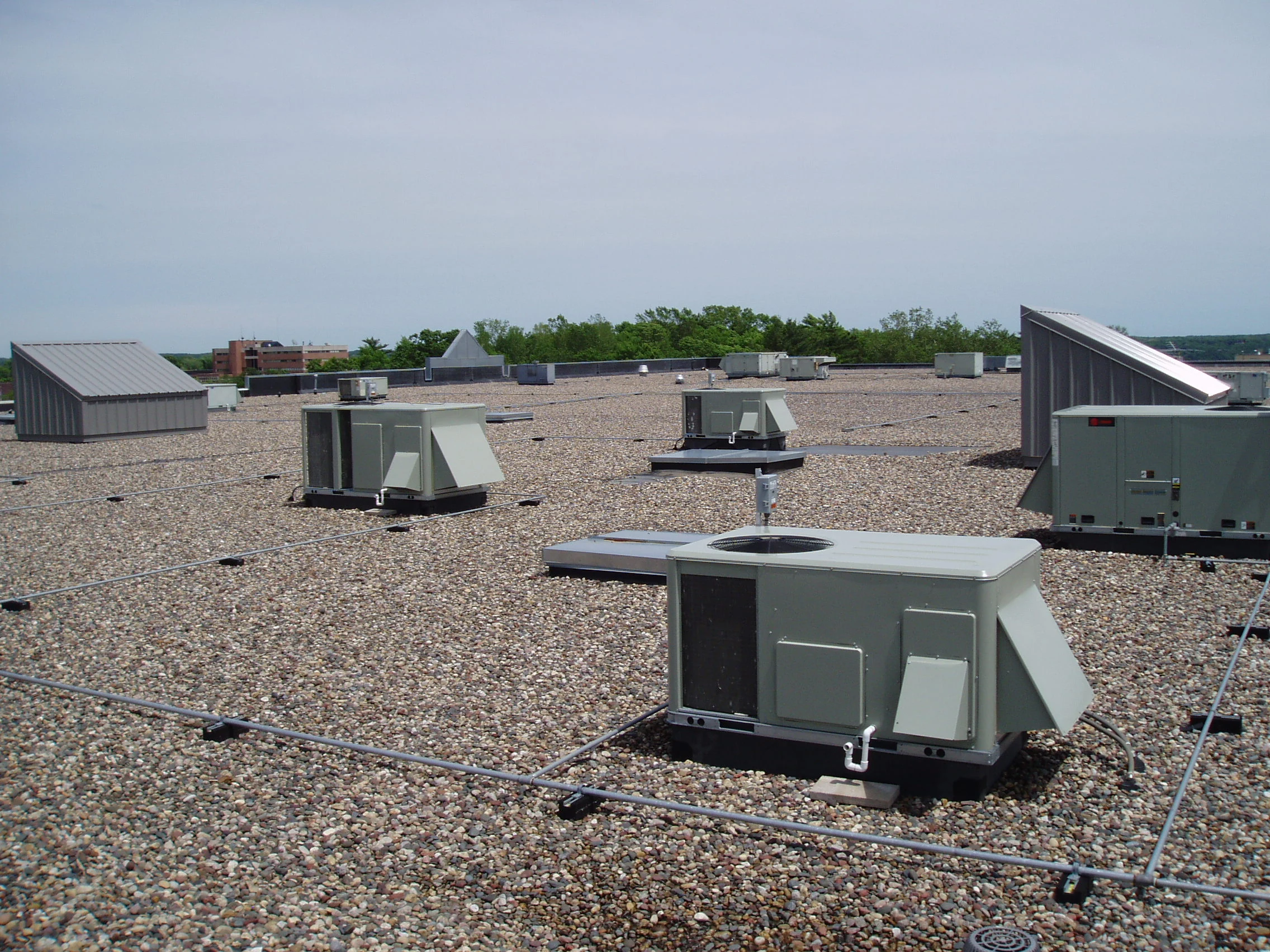
PVC is the membrane we reach for when a roof deck sits under kitchen exhaust, grease-laden air, or process chemicals that would degrade a standard TPO or EPDM system over time. That covers the food processing plants around Hershey and Lebanon, hospitality kitchens near Hersheypark's hotel and restaurant core, and any building with rooftop exhaust fans discharging cooking oils onto the membrane surface.
Why Grease and Oil Exposure Changes the Membrane Decision
Standard TPO and EPDM membranes aren't formulated to resist petroleum-based oils and greases, and rooftop exhaust discharge from a commercial kitchen or a food processing line will soften and degrade those membranes over a period of months to a few years, well short of their rated service life. PVC's chemical composition resists that degradation, which is why we specify it as the default recommendation any time a roof scope includes kitchen exhaust fans, rendering equipment, or a food processing exhaust path, rather than waiting for a client to discover the problem after a standard membrane has already failed.
Hot-Air Welded Seams and Long-Term Seam Strength
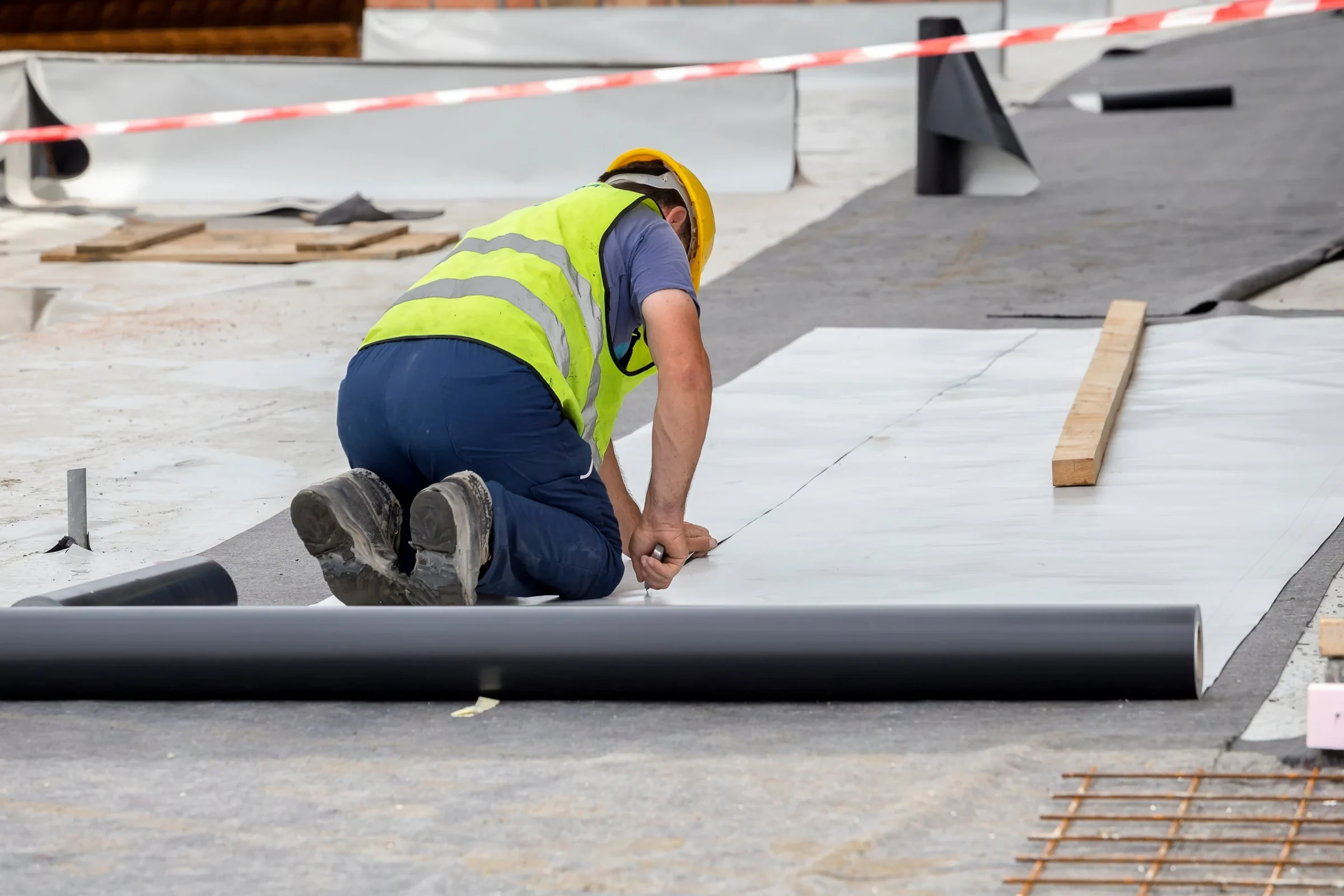
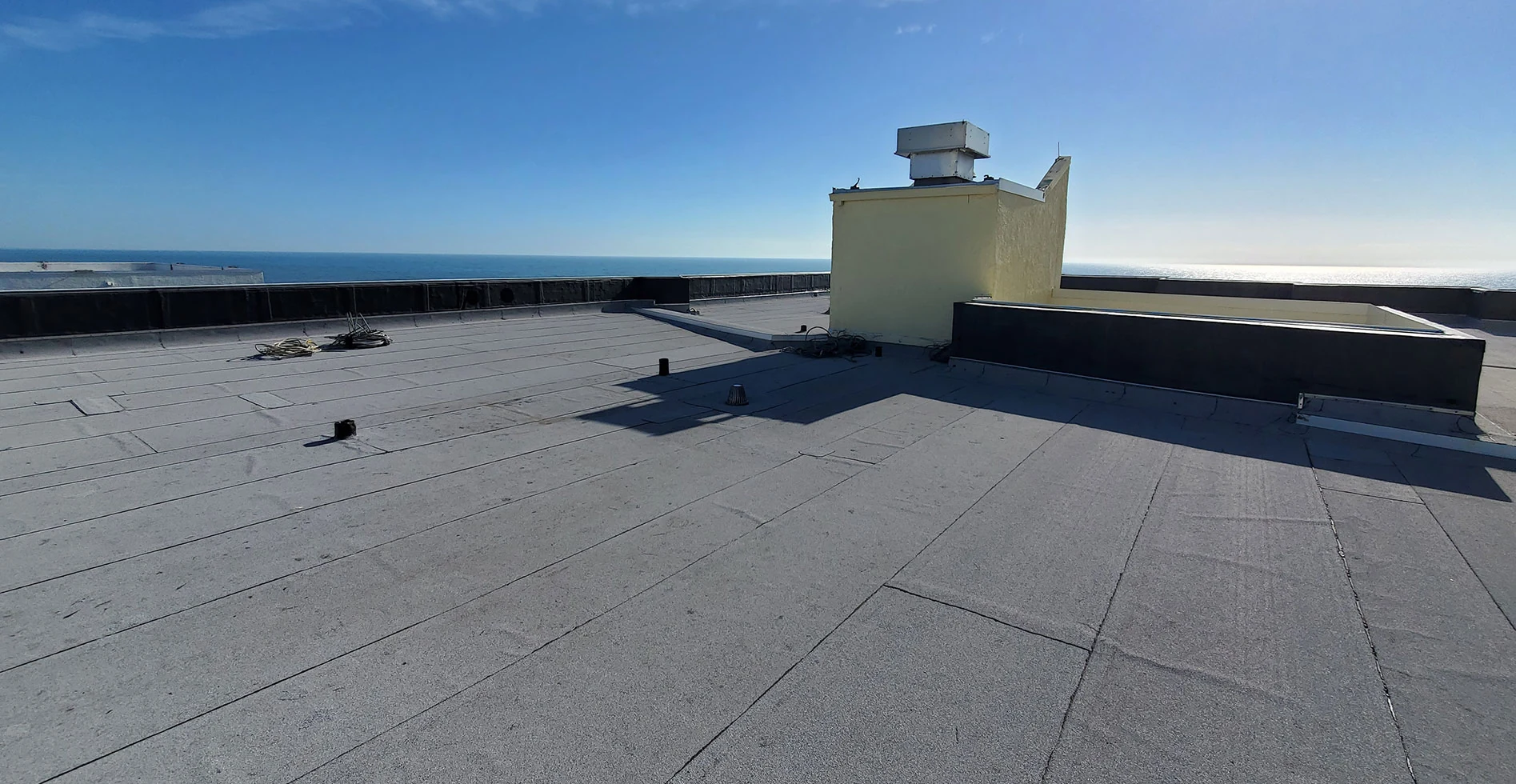
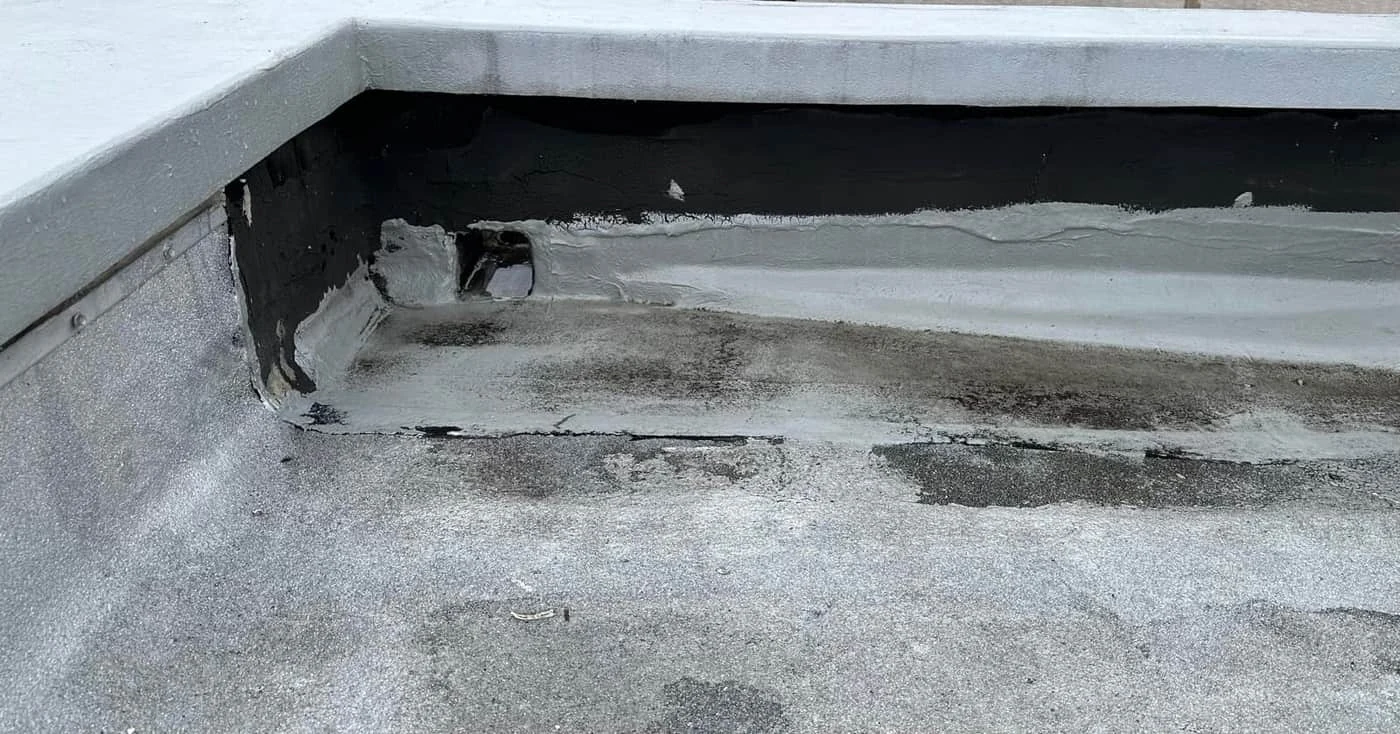
Like TPO, PVC seams are hot-air welded rather than taped or adhesive-bonded, which gives the seam a fusion bond as strong as the membrane itself when done correctly. We probe-test every weld across the field, the same standard we hold TPO installations to, because seam integrity matters even more on a roof exposed to the kind of contaminants that can work into a weak lap over time.
Fire Rating for Occupied Hospitality and Institutional Buildings
PVC carries a Class A fire rating in most standard assemblies, a consideration that matters for buildings near Hersheypark's hotel and entertainment district and for medical office buildings on the West Shore where the roof assembly's fire performance feeds into the building's overall code compliance documentation. We pull the specific assembly rating from the manufacturer's tested listing for the actual deck and insulation combination on the project, not a generic number.
- Hot-air welded seams probe-tested across the full field
- Chemical and grease resistance for food processing and kitchen exhaust roofs
- Class A fire rating for hospitality and institutional buildings
- Sika Sarnafil and comparable PVC systems specified by exposure type
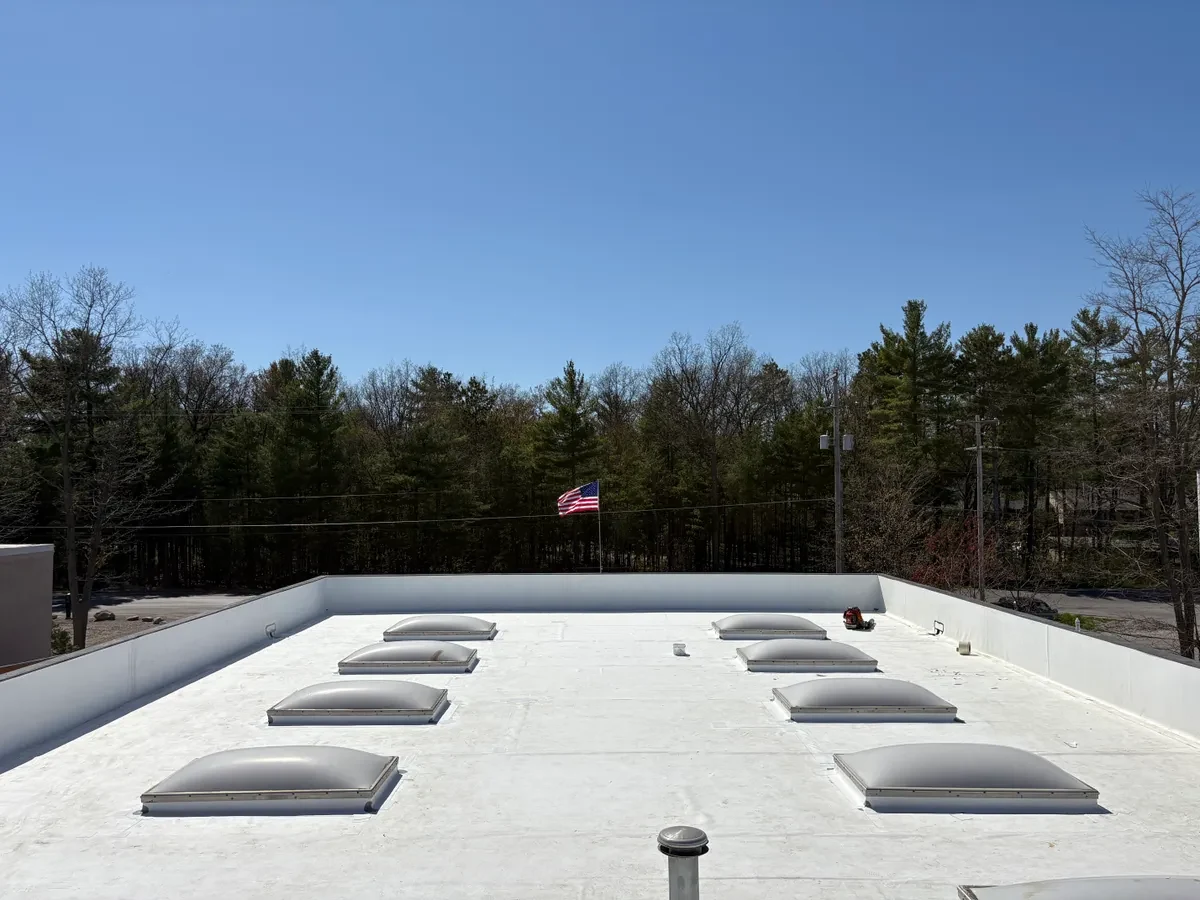
- Reflective white surface standard on most PVC product lines
- Manufacturer-registered warranty documentation at closeout
Cold Storage and Vapor Drive Considerations
Food processing and cold storage buildings clustered near Lebanon and the logistics belt around Mechanicsburg present a vapor drive problem that changes how we design the roof assembly underneath the membrane, regardless of which single-ply system sits on top. Interior humidity and temperature differentials on a cold storage building push moisture toward the roof deck from below, and getting the vapor retarder placement wrong causes condensation inside the assembly that a surface inspection won't catch until insulation is already degraded. We design these assemblies with that vapor path in mind before membrane selection even enters the conversation.
Cost Compared to TPO and When PVC Is Worth the Premium
PVC costs more per square foot than TPO in most material comparisons, and we don't recommend it on a standard office or warehouse roof where that premium buys nothing the building actually needs. The calculation changes the moment grease, chemical exposure, or a fire-rating requirement specific to the building's use enters the picture. We walk owners through that cost difference directly rather than defaulting to the higher-margin system regardless of whether the building needs it.
Rooftop equipment pads and walkway pads also matter more on a PVC roof serving a food processing or hospitality building, since service technicians accessing exhaust fans and grease traps on the roof create concentrated foot traffic in the same spots week after week. We install traffic pads at those access points as a standard part of the scope rather than as an add-on, because unprotected membrane under repeated foot traffic near an exhaust unit wears faster than the field around it. We also inspect membrane condition around exhaust discharge points on every maintenance visit and flag grease accumulation contacting the roof surface, coordinating with facility staff when buildup is affecting membrane condition, even though grease trap maintenance itself is typically the responsibility of the kitchen or process equipment vendor.
PVC Roofing Questions
Does every restaurant or food service roof need PVC instead of TPO?
Not automatically. It depends on exhaust fan placement, discharge volume, and whether grease-laden air actually contacts the membrane surface. We evaluate the specific exhaust path before recommending PVC over a lower-cost alternative.
How does PVC perform against Central Pennsylvania winters?
PVC handles freeze-thaw cycling and cold-weather conditions well within its rated temperature range, similar to TPO, with the same manufacturer restrictions on hot-air welding temperature during installation.
Is PVC more expensive to repair than TPO?
Repair methods are similar since both are hot-air welded single-ply membranes, though PVC patch material costs somewhat more than TPO patch material. Labor and welding procedure are comparable between the two systems.
Can PVC go over an existing EPDM roof that's failing from oil exposure?
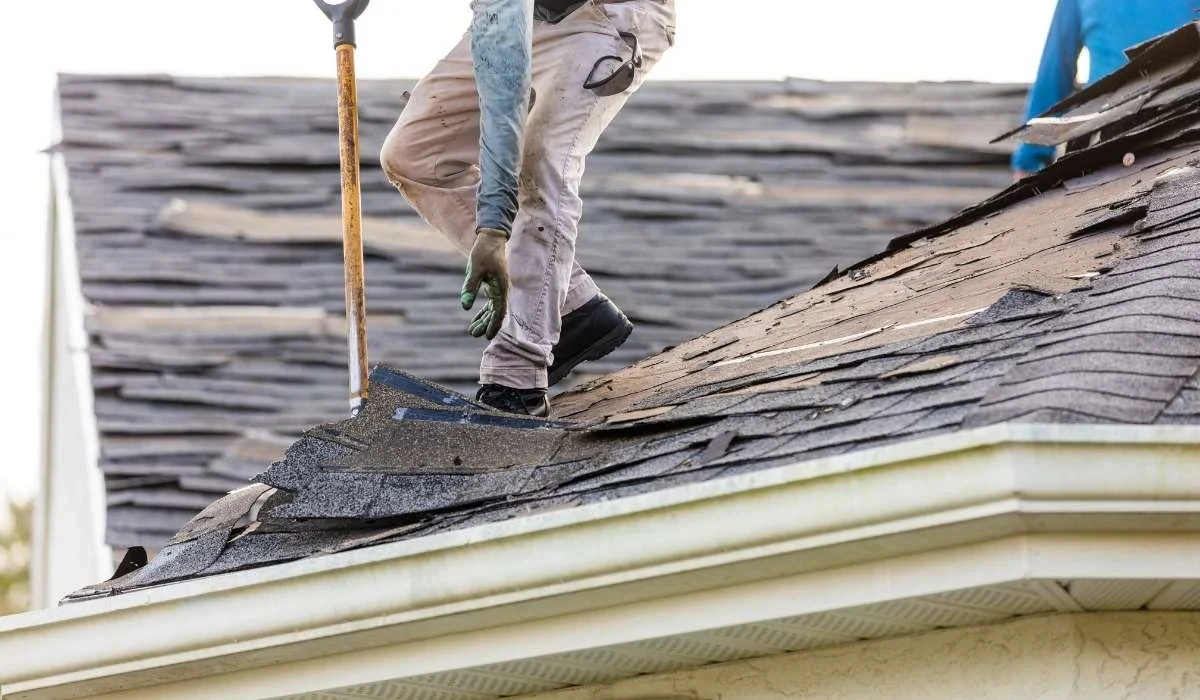
Only after a moisture survey and deck assessment confirm the existing insulation is sound. If the old membrane's degradation from oil exposure has reached the insulation layer, that section needs to come out rather than be covered.
What warranty terms are typical on a PVC roof system?
Terms vary by manufacturer and project, from material-only coverage up through full No Dollar Limit system warranties. We document installation to the specific manufacturer's requirements so the warranty registers as written.