
Commercial Roofing Services
Commercial Roofing
Harrisburg, PA
Harrisburg, PA
Metal R-Panel Roofing in Harrisburg, PA
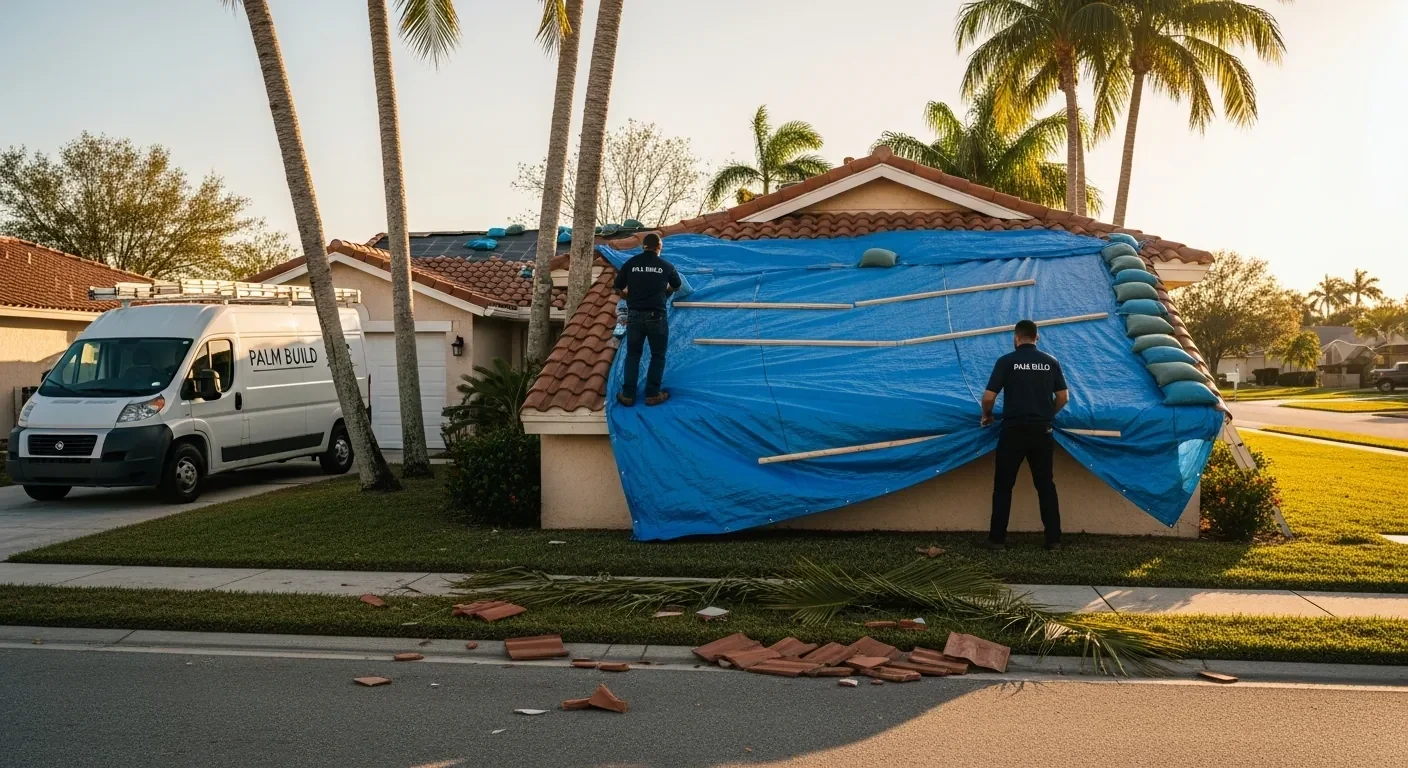
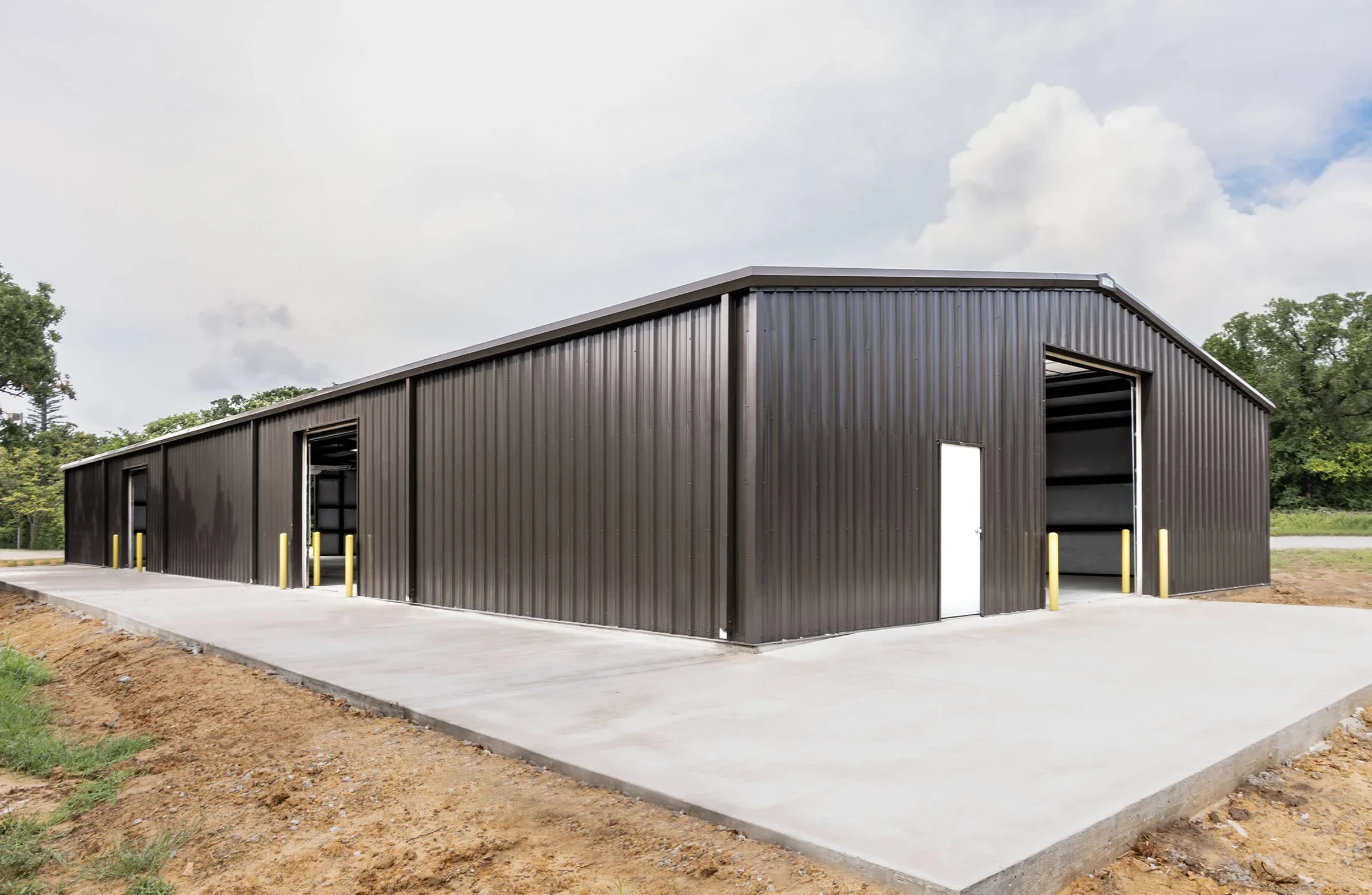
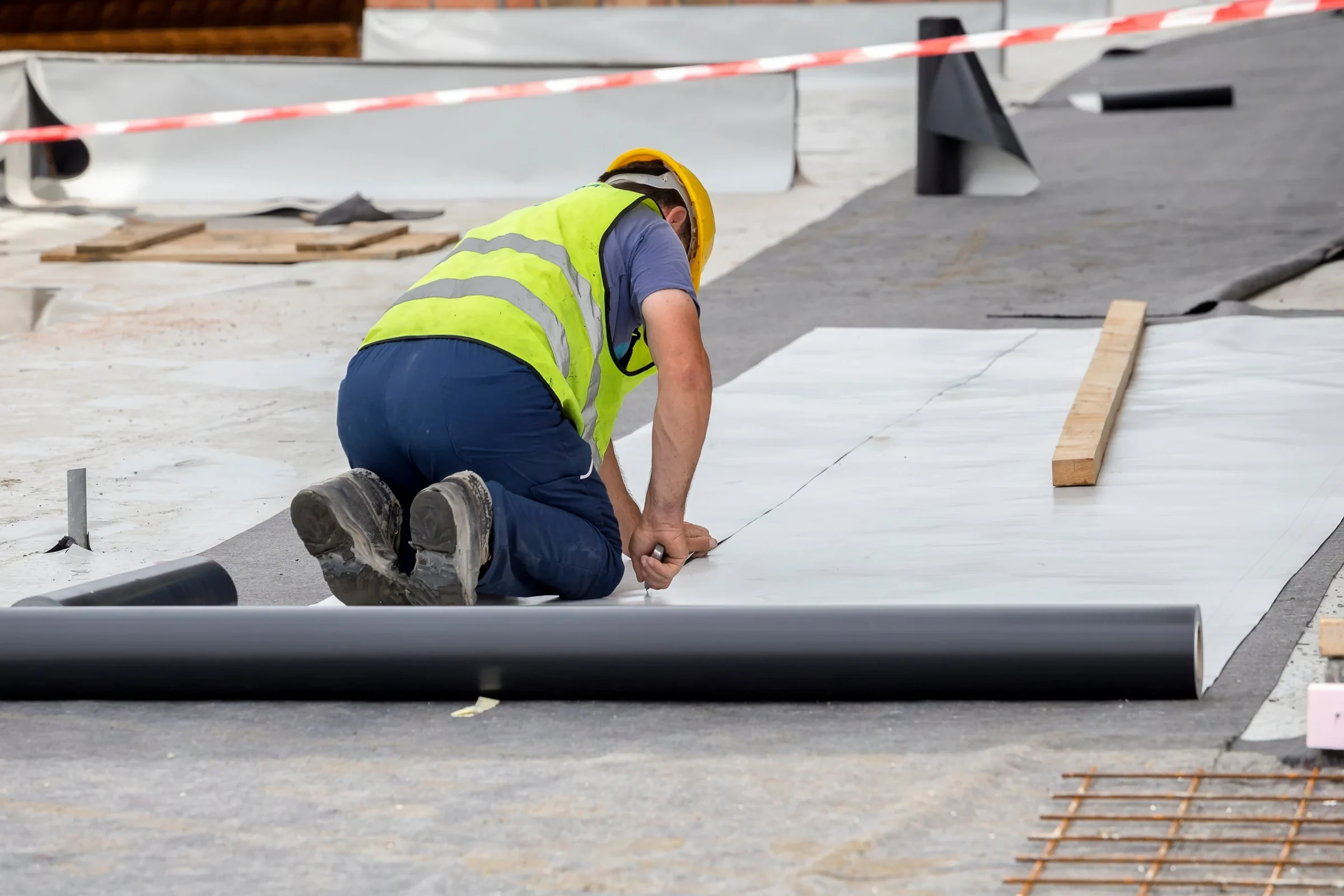
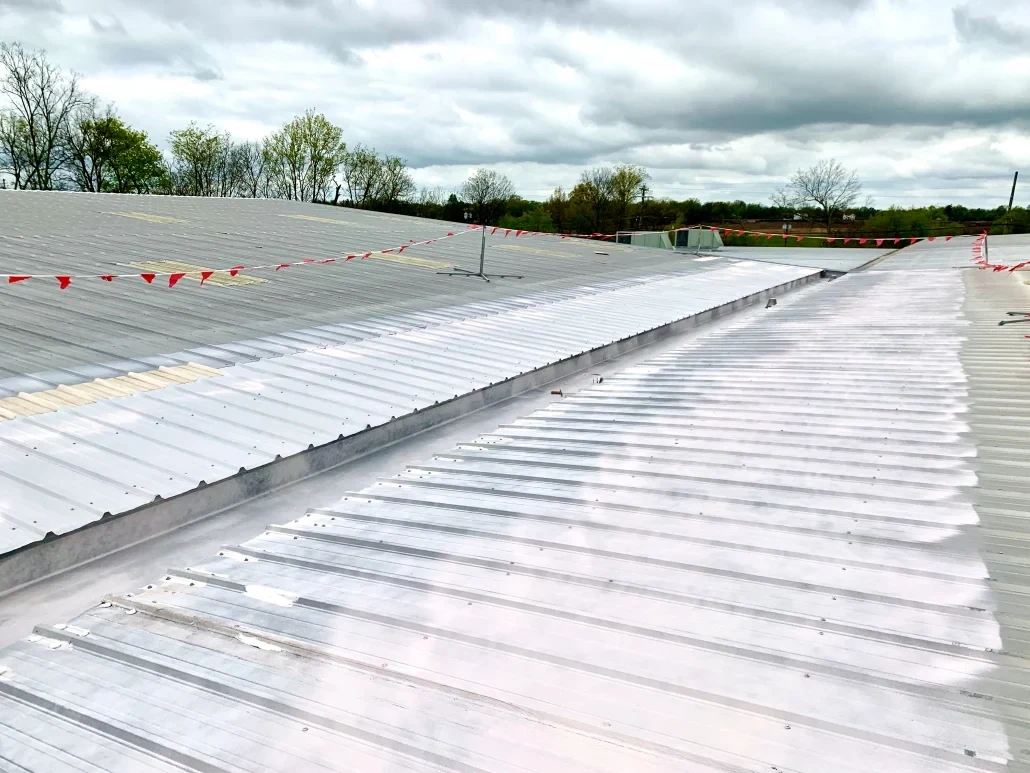
R-Panel for Light Industrial and Rural Commercial Buildings
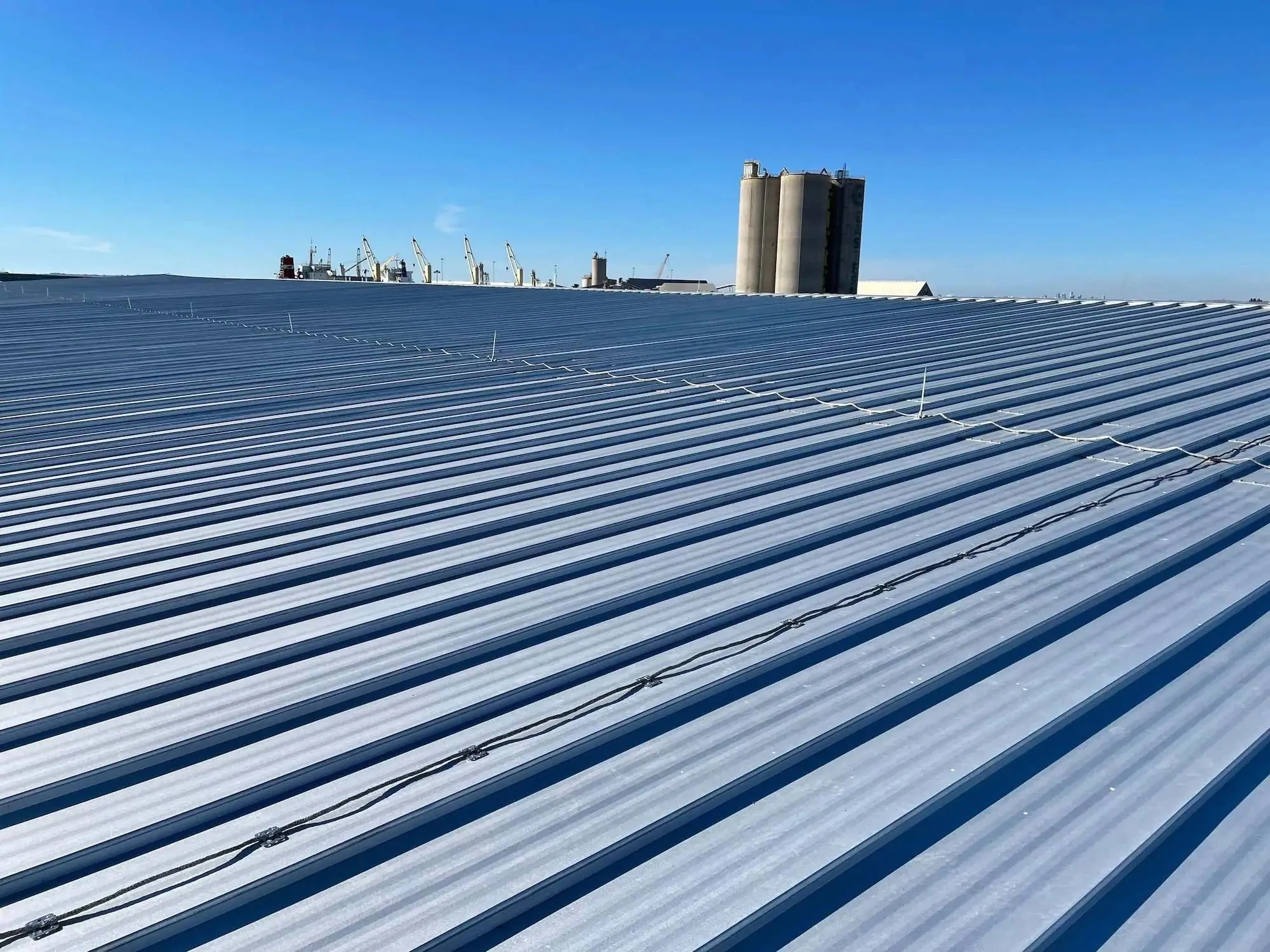
R-panel is the exposed-fastener metal roofing system we install most often on the smaller light industrial buildings and rural commercial properties scattered around Dillsburg, Etters, and the Route 15 corridor, buildings where standing seam's higher material and labor cost doesn't match the budget or the building's use. It's a proven, economical system for pole-barn-style construction and metal-frame commercial buildings when it's specified and maintained correctly.
Exposed Fastener Versus Concealed Clip: The Real Tradeoff
R-panel's defining feature is exposed fasteners driven directly through the panel face into the structural framing below, which is simpler and faster to install than a concealed-clip standing seam system and costs meaningfully less as a result. The tradeoff is that every one of those fasteners is a potential leak point once its neoprene washer ages and hardens, something standing seam's hidden clip design avoids entirely. That difference is why R-panel earns its place on lower-budget light industrial buildings and rural commercial structures rather than on buildings where a leak-free assembly matters more than upfront cost.
Fastener Backout and Washer Failure: The Maintenance Reality
Neoprene washers under R-panel fasteners degrade with UV exposure and thermal cycling over roughly ten to fifteen years, and fasteners themselves can back out slightly as the panel expands and contracts with temperature swings across a full central Pennsylvania year. A fastener maintenance program, replacing degraded washers and re-driving or replacing backed-out screws on a set schedule, is the single most effective way to extend an R-panel roof's service life and prevent the small pinhole leaks that show up at fastener locations long before the panel itself shows any real wear.
Panel Profile and Coverage Width
R-panel typically runs in 36-inch coverage width with a repeating rib pattern, a standard dimension that keeps material costs predictable and simplifies repair, since replacement panels are widely available in matching profile. We match panel gauge to the building's span and roof pitch, with lighter gauge acceptable on shorter spans and heavier gauge specified on wider agricultural-style buildings common around the Dillsburg and Lewisberry areas.
- Exposed-fastener panels for light industrial and rural commercial budgets
- Neoprene washer replacement on a scheduled maintenance interval
- Fastener re-drive and backout correction before leaks develop
- Standard 36-inch coverage width for predictable repair material availability
- Panel gauge matched to span and roof pitch by building type
- Ridge cap and trim detail sealed to manufacturer specification
When R-Panel Isn't the Right Recommendation
We don't recommend R-panel on buildings with high public visibility, occupied hospitality use, or where the owner's maintenance program is unlikely to keep up with periodic fastener service. A building near the theme district or a medical office building on the West Shore is generally better served by standing seam's concealed fastener system, even at the higher upfront cost, because the maintenance burden and leak risk profile are meaningfully different between the two systems.
Coordinating R-Panel Repairs on Occupied Warehouse Buildings
Fastener maintenance and panel replacement on an active light industrial or warehouse building around Etters or the I-83 corridor typically happens without shutting down operations, since the work moves along the roof surface rather than requiring interior access in most cases. We coordinate staging and material delivery around the building's own truck and equipment traffic, the same logistics consideration that applies to larger membrane roof projects in this corridor.
Recoating an Aging R-Panel Roof Instead of Full Replacement
An older R-panel roof with sound structural framing but faded or chalking paint, along with scattered fastener issues, is often a good candidate for an acrylic or silicone recoat rather than full panel replacement. The coating restores reflectivity and adds a monolithic weather barrier over the seams and fastener heads, which can meaningfully extend service life on a building where full replacement isn't in the current capital budget. We evaluate panel and fastener condition first, since coating over failing fasteners or heavily corroded panel edges just delays a replacement that's already overdue. A scheduled fastener and washer inspection program alongside that coating decision is one of the most cost-effective maintenance investments an R-panel building owner can make, since catching backed-out screws and hardened washers early avoids the small pinhole leaks that otherwise go unnoticed until interior damage shows up.
R-Panel Questions
How long do the neoprene washers on R-panel fasteners actually last?
Typically ten to fifteen years before UV degradation and hardening make them prone to leaking, though sun exposure and panel color affect that timeline. A scheduled inspection catches washer failure before it becomes an active leak.
Is R-panel a good option for a building with a low roof slope?
R-panel needs a minimum slope to shed water properly, generally steeper than what a membrane roof requires. Very low-slope buildings are usually better served by TPO, EPDM, or another membrane system instead.
Can individual damaged R-panel sections be replaced without redoing the whole roof?
Yes, since the standard 36-inch profile is widely available, damaged panels can typically be removed and replaced individually without disturbing the surrounding field, provided the replacement panel matches the existing profile and color.
Does R-panel need a different maintenance schedule than standing seam?
Yes. R-panel needs more frequent fastener and washer inspection specifically, while standing seam's maintenance focus is more on sealant at penetrations and clip condition rather than fastener washers, since it has none exposed to weather.
What's the cost difference between R-panel and standing seam on a similar building?
R-panel typically costs noticeably less per square foot in both material and labor, which is the main reason it remains common on light industrial and rural commercial buildings where budget outweighs the architectural and low-maintenance benefits of standing seam.