
Roof Systems
Commercial Roofing
Harrisburg, PA
Harrisburg, PA
80-Mil TPO Roofing in Harrisburg, PA
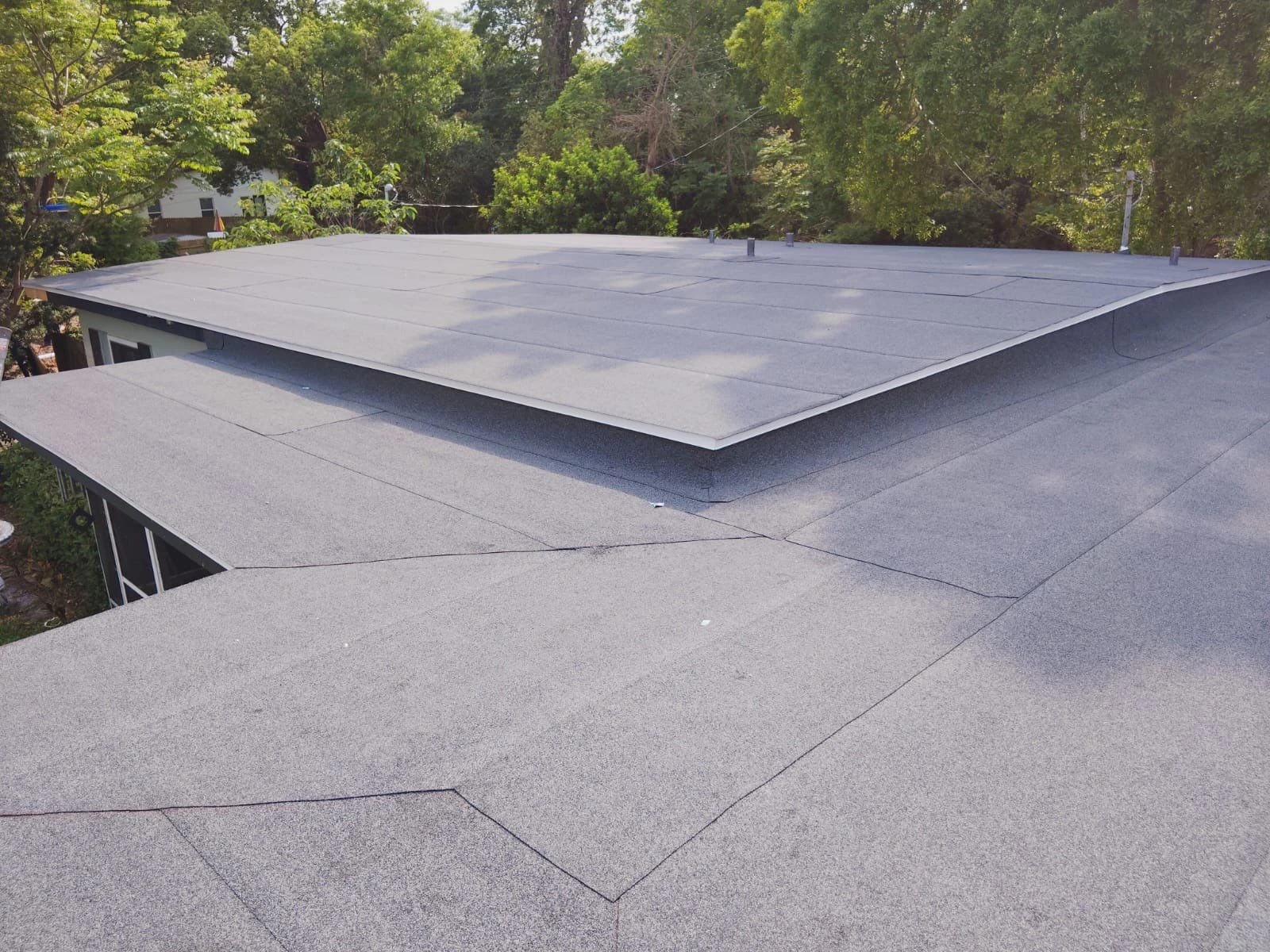
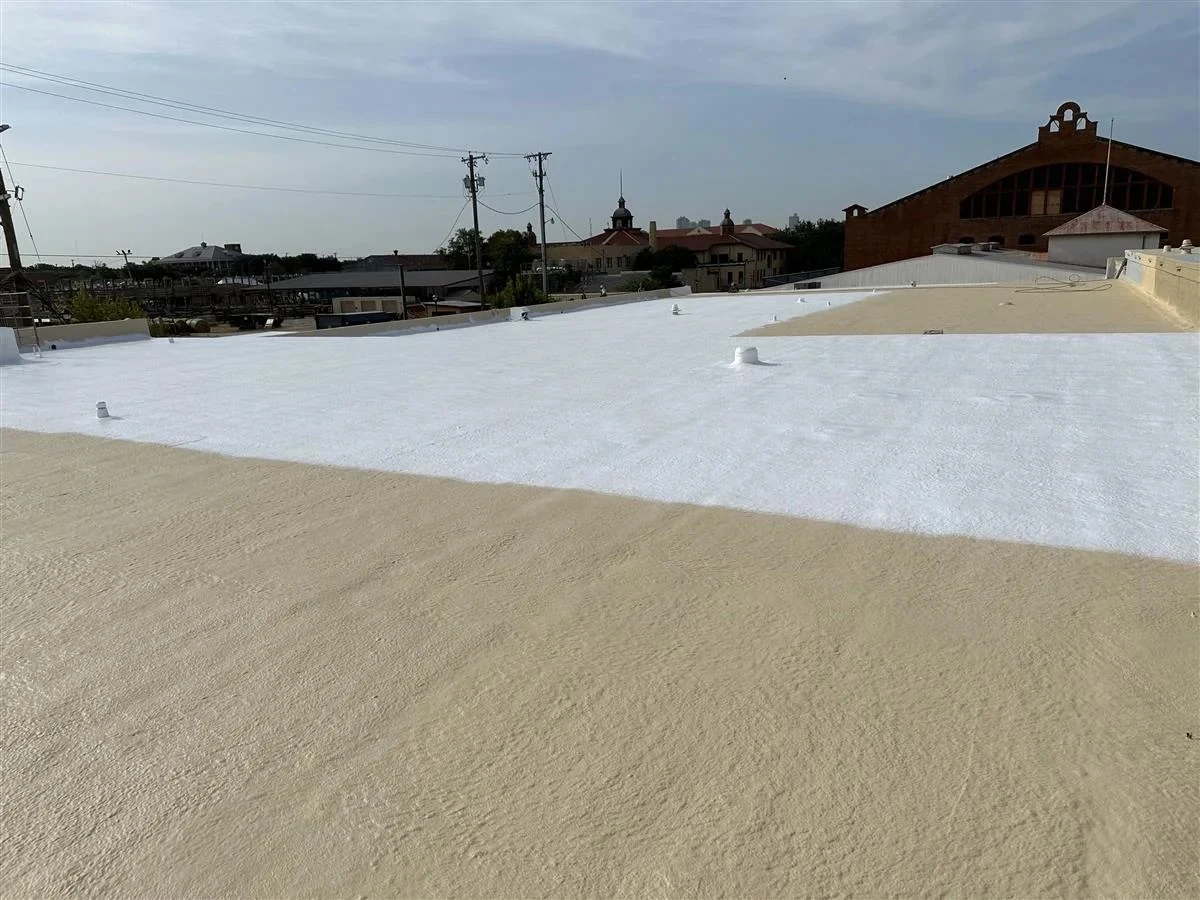
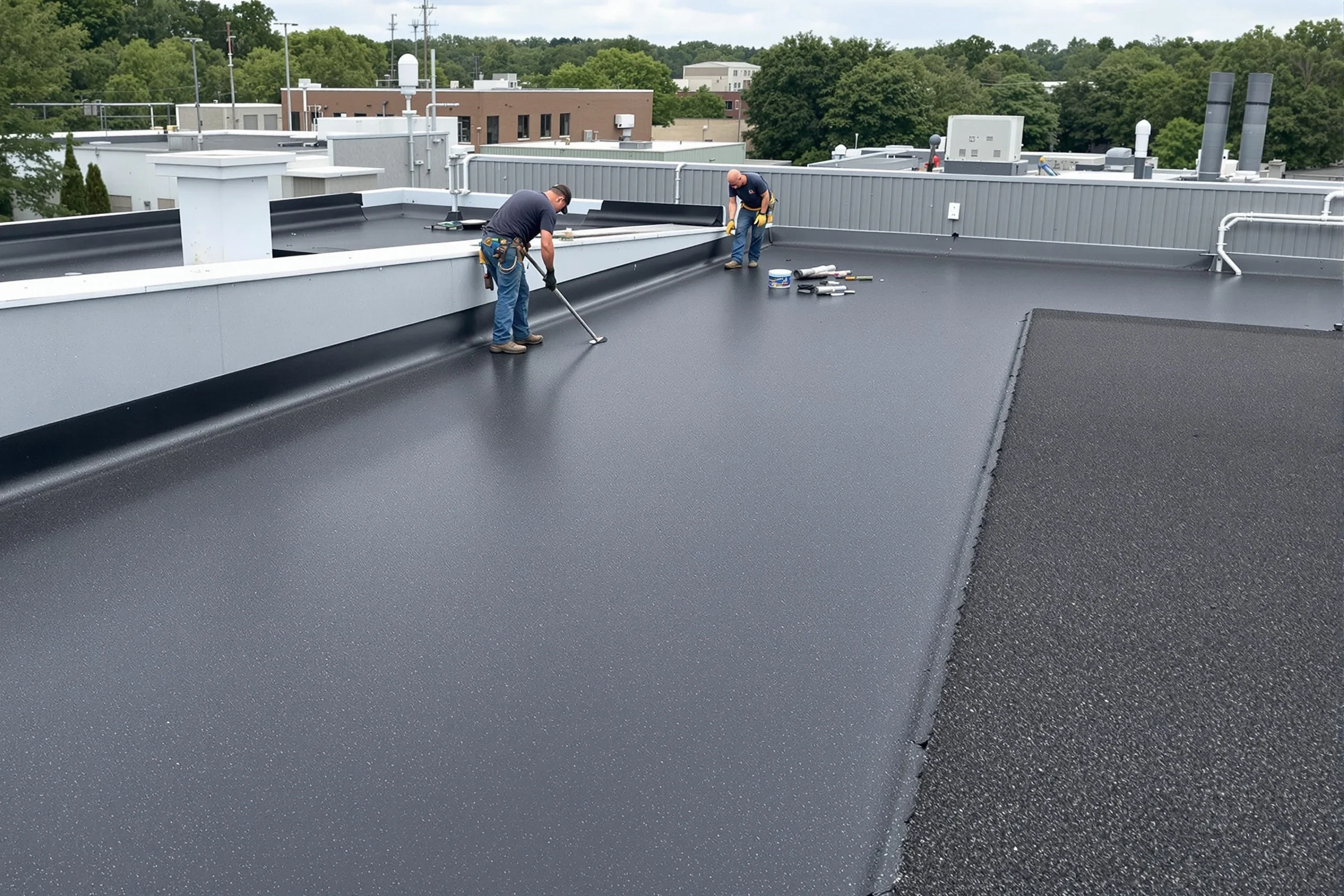
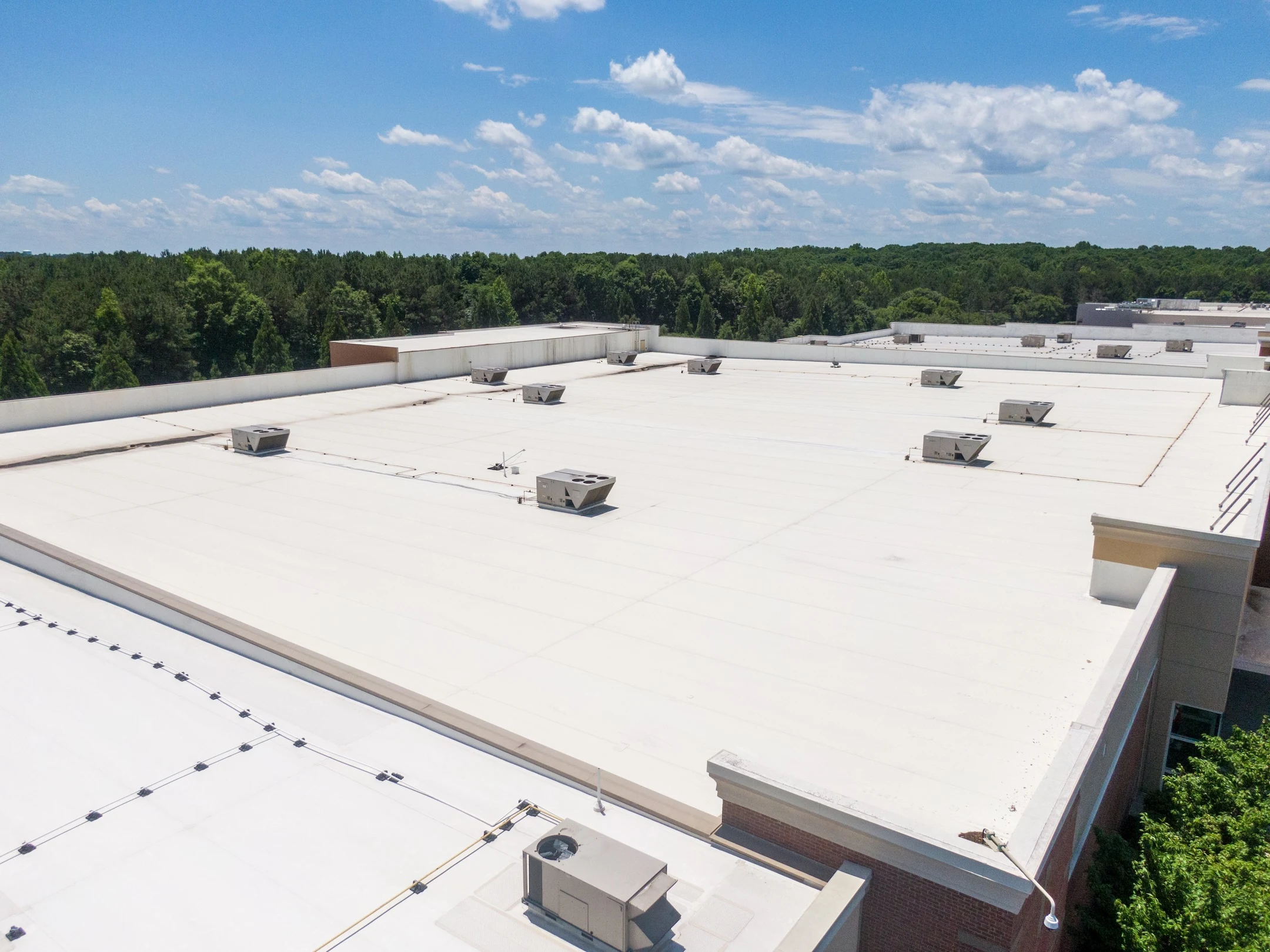

80-Mil TPO for Cold-Storage and High-Traffic Roof Fields
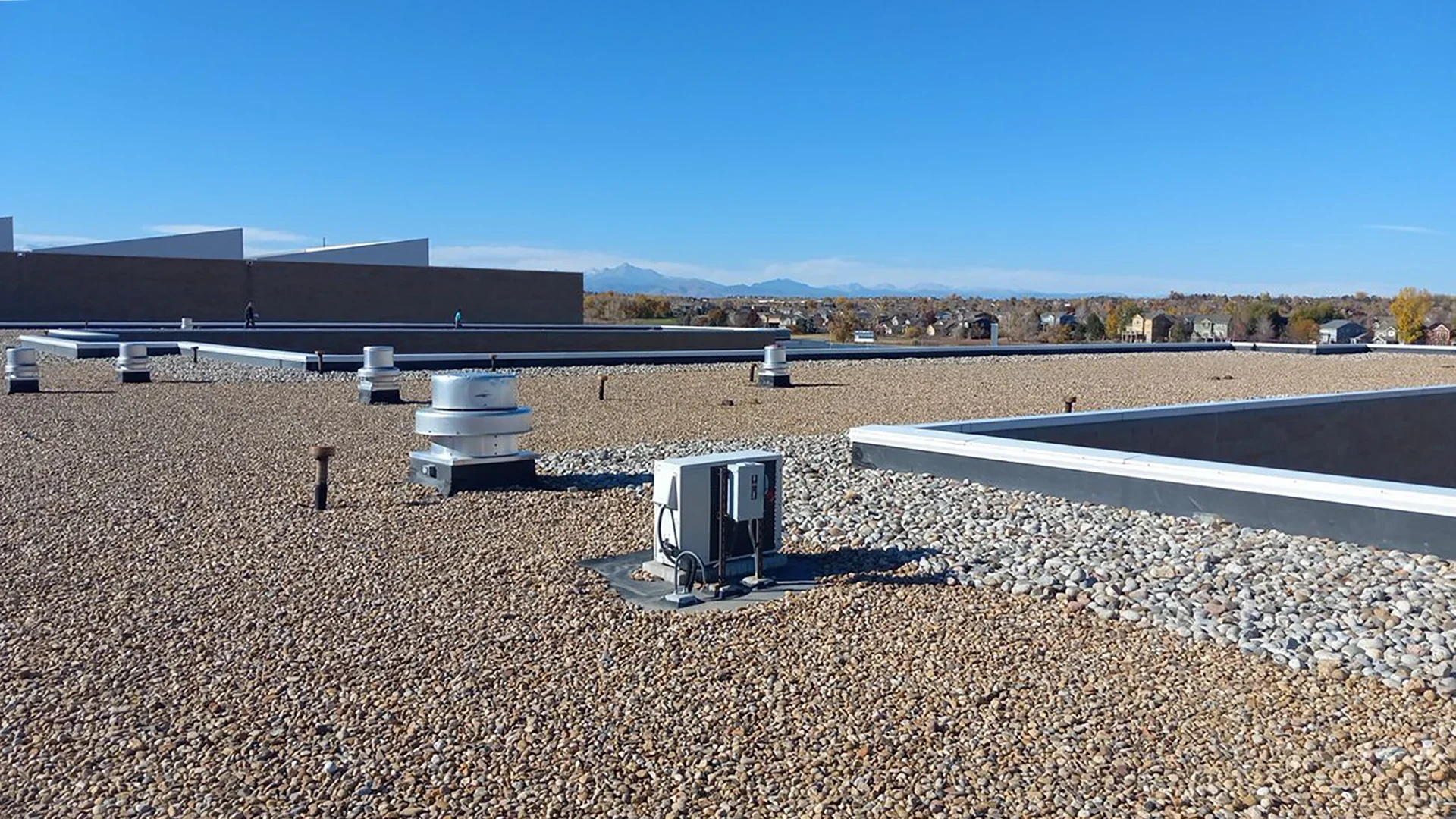
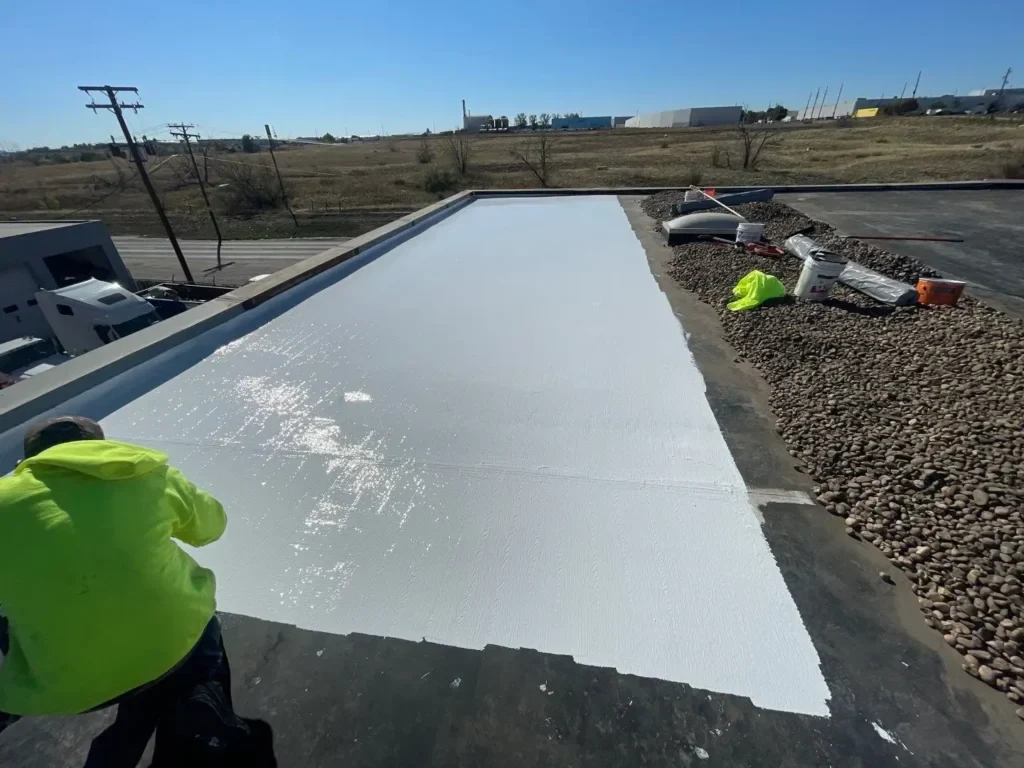
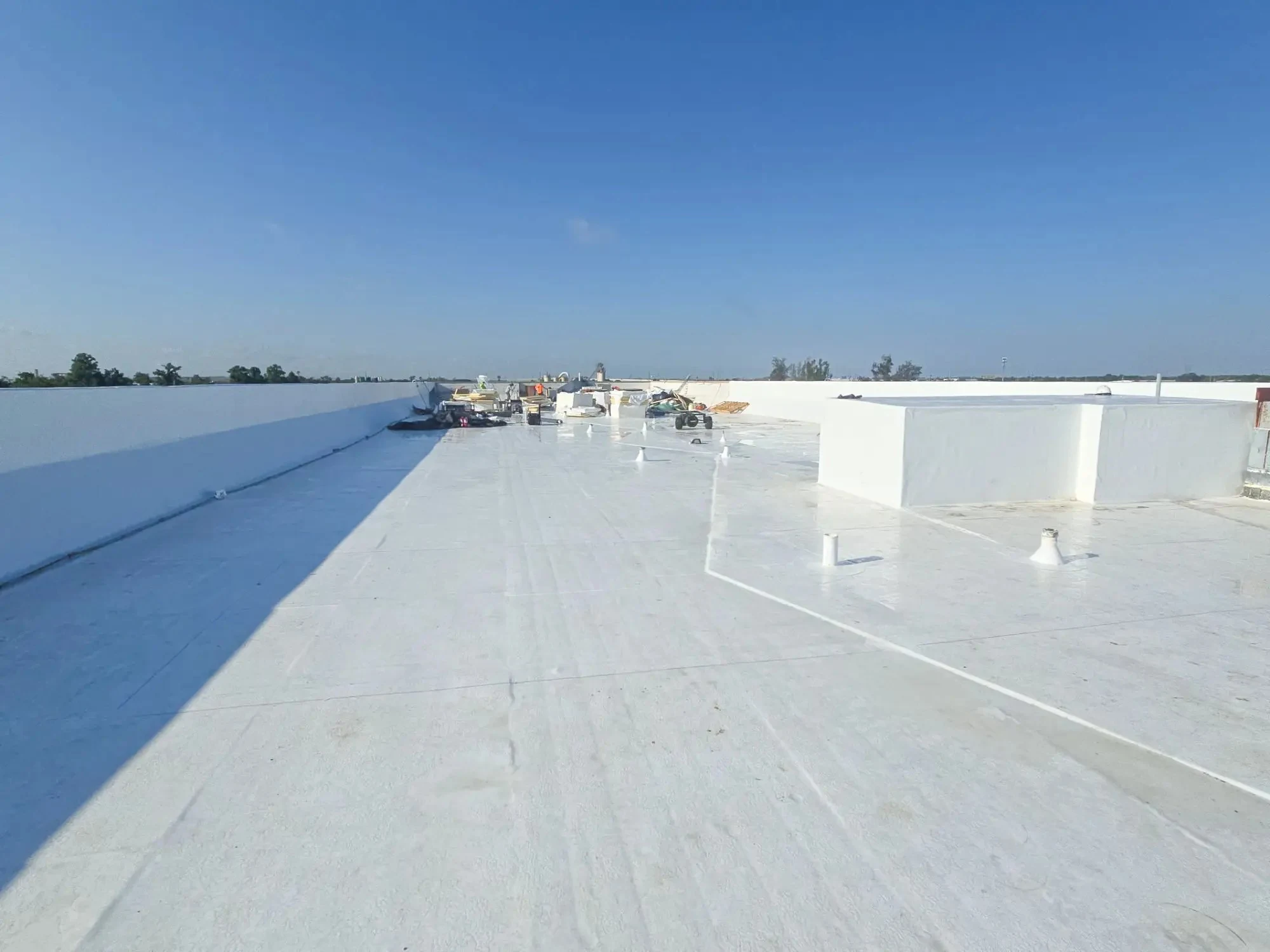
Eighty-mil TPO earns its place on roofs that take more abuse than a standard office or retail field: cold-storage buildings, food-processing plants, and distribution centers with rooftop mechanical rooms crowded with condensing units and exhaust fans. The extra 20 mils over standard gauge is a puncture-resistance decision, not a cosmetic one.
When the Extra 20 Mils Earns Its Keep
The refrigerated warehouse and food-processing stock along the I-81/I-83 corridor and around Lebanon's processing plants carries roof-mounted condensing equipment that standard warehouses don't. Technicians are up there on service calls year-round, and that equipment sits on curbs, dunnage, and pipe supports that concentrate point loads on the membrane.
Eighty-mil gives meaningfully more margin against tool drops, dragged equipment, and the sharp edges of replacement condenser units than 60-mil does in the same wear zones. We spec it as the field membrane on cold-storage roofs and as a targeted upgrade zone around mechanical clusters on standard warehouses.
Food-processing plants near Lebanon and Hershey often add rooftop equipment in stages as production lines expand, and each new curb or duct penetration is another point where a lighter membrane would show wear first. Standardizing on 80-mil from the start avoids having to selectively reinforce the field later as equipment gets added.
Owners who have already had one membrane punctured by a dropped tool or a dragged compressor rack tend not to need much convincing on this point. The repair cost and the leak risk in the interim usually outweigh the modest material premium for the heavier gauge, especially on a roof protecting refrigerated product below.
Rooftop Equipment Loads and Foot-Traffic Wear
A distribution center with a large rooftop mechanical footprint sees a different traffic pattern than an open warehouse field. Service techs cut across the membrane between units rather than staying on a single access path, and that diagonal traffic is exactly what wears thin membrane fastest at the seams.
We map the mechanical layout before installation and place walkway pad at every predictable access route, but the field membrane itself still needs to hold up between pads. That's the case for 80-mil over 60-mil on these roofs even before pad placement is factored in.
On distribution centers with rooftop solar arrays going in after the original roof installation, we see the same dynamic. Panel racking crews, cable runs, and periodic maintenance access all concentrate wear along predictable paths, and 80-mil membrane in those zones holds up to that traffic far better than standard gauge, even when the array itself sits on non-penetrating ballast blocks.
Fastening Patterns for High Wind-Uplift Zones
Heavier gauge membrane changes fastening math slightly because the sheet itself carries more of the load between plates. On corner and perimeter zones, where ASCE 7 pressures run highest, we still tighten the fastening pattern regardless of gauge, but 80-mil gives more resistance to fastener pull-through in wind events.
Field crews follow a documented fastening layout for each zone of the roof:
- Field zone spacing set to the engineered uplift rating for that building
- Tighter perimeter spacing at the outer 10 to 15 feet of roof edge
- Corner zone spacing tightest of all, matched to ASCE 7 corner pressure coefficients
- Additional fastening rows around rooftop curbs and equipment pads
- Documented fastener pull-test results kept in the closeout package
On buildings with unusual parapet heights or roof geometry, we bring the fastening pattern to a design professional for stamped confirmation rather than relying on a generic manufacturer table.
Seam Integrity in Freeze-Thaw Cycling
Central Pennsylvania's winter swings between freeze and thaw put real stress on any seam, and heavier membrane holds a hot-air weld more consistently across that temperature range than lighter gauge. We weld in controlled ambient windows and probe every seam before crews move to the next section.
On cold-storage buildings, interior conditions add a second freeze-thaw dynamic: the roof deck itself can run colder from below than an unconditioned warehouse roof, which changes how the membrane and insulation package need to be detailed at penetrations and curbs.
We schedule welding work with a wider ambient buffer on 80-mil scopes than on standard gauge, since the heavier sheet takes slightly longer to reach and hold weld temperature, and rushing that step in cold, damp conditions is a common source of weld defects that don't show up until the first heavy rain.
80-Mil TPO on Harrisburg-Area Facilities: What Owners Ask
Is 80-mil worth the added cost over 60-mil on a standard warehouse?
Not always. If the roof is a simple open field with limited rooftop equipment, 60-mil is usually the right economic call. Eighty-mil pays for itself on roofs with heavy mechanical traffic or cold-storage service.
Does 80-mil TPO need a different insulation package underneath?
The membrane and insulation are specified separately, but on cold-storage buildings the insulation package is usually thicker and the vapor-retarder detailing more critical than on standard warehouse roofs, regardless of membrane gauge.
Can 80-mil be used only in equipment zones instead of the whole roof?
Yes, that's common. We often run 60-mil field membrane with 80-mil transition zones or walkway protection around rooftop mechanical clusters rather than upgrading the entire roof.
How does 80-mil hold up to hail compared to 60-mil?
The extra gauge improves impact resistance, but hail damage risk depends more on insulation type and cover-board selection underneath the membrane than on TPO thickness alone.
Does 80-mil TPO come with a longer warranty than 60-mil?
Manufacturers often extend NDL warranty terms slightly for heavier gauge membrane, but the exact term depends on attachment method and the specific manufacturer program, so we confirm it against the actual product line before bidding.