
Commercial Project Types
Commercial Roofing
Harrisburg, PA
Harrisburg, PA
Multi-Tenant Retail Strip Roofing in Harrisburg, PA
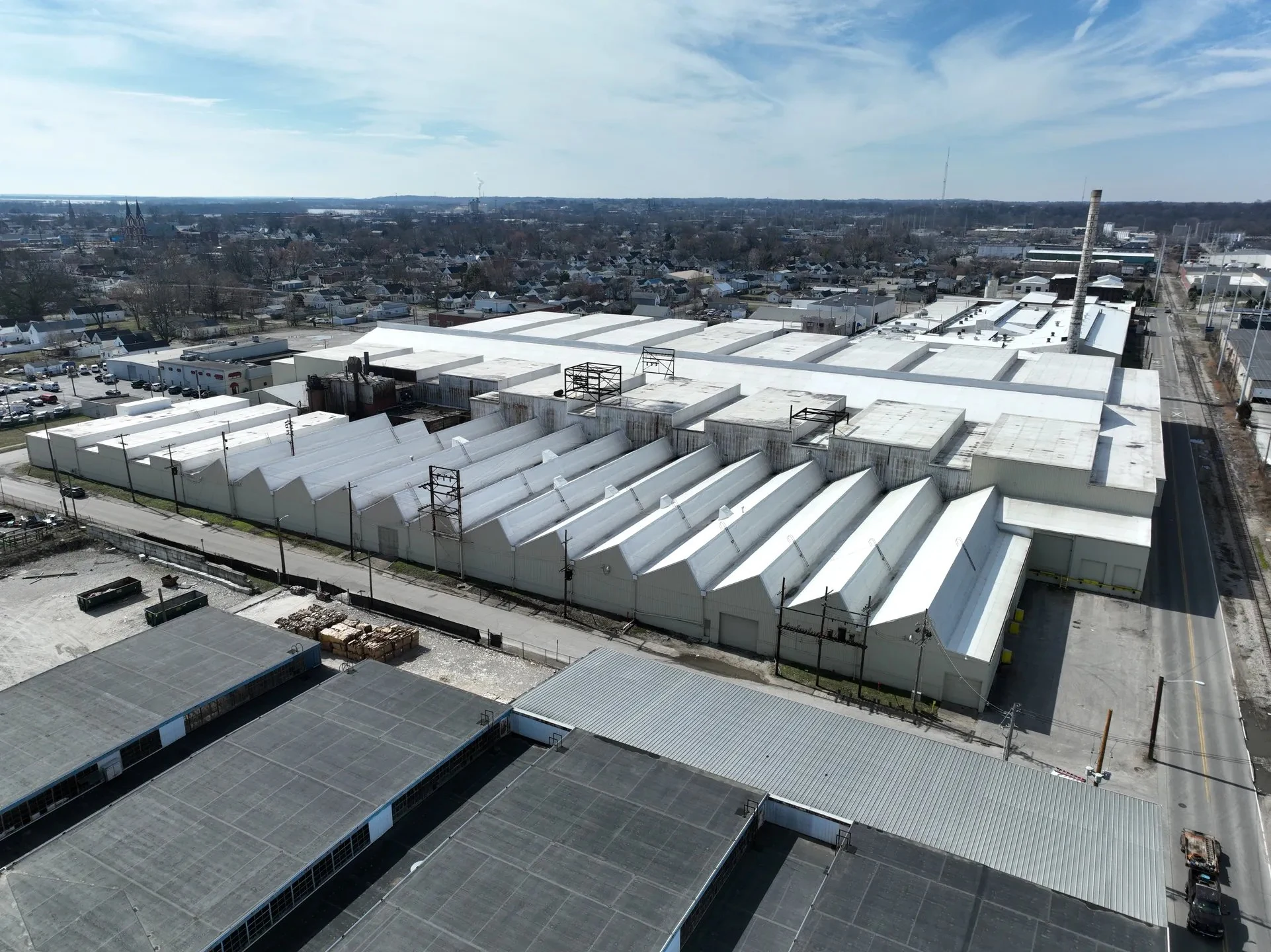
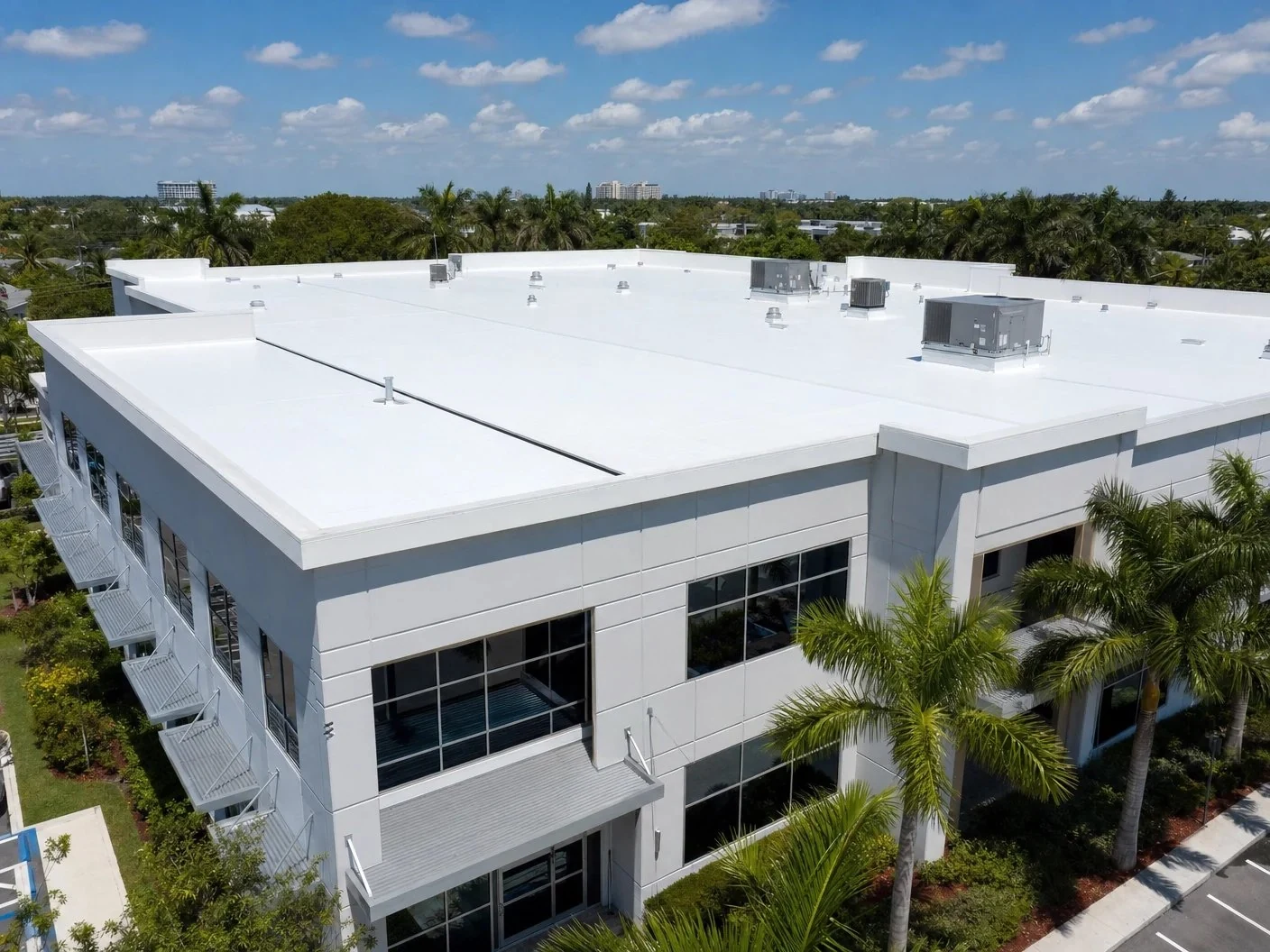
Strip Retail Roofs Along the Colonial Park and Carlisle Pike Corridors
Strip retail centers around Colonial Park Mall, along Route 39 in Linglestown, and up Carlisle Pike through Hampden Township run some of the highest tenant-turnover roofing in this market, with individual storefronts changing hands regularly while the roof above stays the landlord's single continuous asset. We scope this category around that split between shared roof responsibility and individual tenant leases.
CAM Charges and Roof Repair Triggers
Common area maintenance billing on a strip center typically passes roof repair and maintenance costs back to tenants on a pro-rata basis, which means every repair we recommend needs documentation clear enough for the landlord to defend the CAM charge if a tenant questions it. We itemize repair scope by cause and location on every strip center inspection report, distinguishing routine maintenance from a capital repair that may fall outside standard CAM recovery language depending on the lease terms.
Landlords managing several strip properties across this corridor also use our reports to plan capital reserves ahead of a full reroofing decision, since a documented pattern of recurring repair costs at the same roof section is often the clearest evidence that a targeted section deserves replacement rather than another round of patching. We keep a running repair history by roof section on properties we service regularly, which turns what would otherwise be a series of disconnected work orders into a record the landlord can bring to a capital budgeting conversation.
Lease renewal cycles matter here too. A landlord approaching a major tenant's lease renewal often wants roof condition documentation in hand before that negotiation, since roof condition can factor into renewal terms or tenant improvement allowances discussed at that stage.
What Changes the Scope on a Strip Retail Roof
Lease structure, not square footage, drives most of the coordination on this roof type.
- CAM-billable repair documentation itemized by cause, location, and applicable lease section
- Rooftop HVAC and exhaust fan coordination for restaurant and food-service tenants specifically
- Signage and pylon penetrations added by tenants after original roof installation
- Tenant turnover scheduling, since a vacant unit often provides the best access window for section repair
- Grease exhaust and roast-vent condition checks on any food-service tenant space
- Storm drainage capacity across the full strip footprint, not only the section under active repair
Restaurant and Food-Service Roof Penetrations
Restaurant tenants in these strip centers typically add grease exhaust fans, makeup air units, and sometimes walk-in cooler condensers on the roof after the building's original construction, and those additions bring grease and heat exposure that standard retail roofing does not anticipate. We inspect grease containment and curb condition around food-service penetrations on a tighter schedule than the rest of a strip roof, since grease breakdown of membrane and flashing is one of the more common causes of localized leaks in this category. We also check whether a curb was originally sized for the tenant's current exhaust load, since a restaurant that expanded its kitchen or changed cuisine type after move-in sometimes outgrows the original rooftop equipment footprint without anyone updating the roof penetration accordingly.
Tenant Turnover as a Repair Opportunity
A vacant storefront between tenants is often the best window to complete section repair or targeted replacement above that unit, since access does not have to work around an operating business. We coordinate with the property manager to flag vacant units as priority repair windows rather than waiting for the space to lease again and then having to disrupt a new tenant's opening.
Big-Box Anchor Roofs Within the Same Center
Strip centers along Carlisle Pike and near Colonial Park frequently include a larger anchor tenant footprint alongside smaller inline stores, and that anchor roof often runs a different age, membrane type, and ownership or lease structure than the connected strip. We treat the anchor roof as its own scope item within the broader center inspection rather than assuming uniform condition across the whole property, and we report on it separately so the landlord can track capital planning for the anchor space independently from the smaller inline units.
Multi-Tenant Retail Roofing Questions From Landlords and Property Managers
How do you document a repair so it can be defended under CAM billing?
We itemize the cause, location, and scope of every repair against the applicable lease language, giving the landlord documentation that can withstand a tenant's question about a CAM charge.
Can roof repairs above a restaurant tenant be scheduled without closing the kitchen?
In most cases yes, coordinating grease exhaust and rooftop access work around the restaurant's operating hours, though full grease containment repairs sometimes require a limited shutdown window that we schedule well in advance with the tenant's manager.
Should a vacant unit's roof section be repaired before or after a new tenant signs?
We generally recommend addressing known issues while the unit is vacant, since access is easier and it avoids disrupting a new tenant's buildout or opening.
Does the anchor store roof get inspected the same way as the smaller inline stores?
We inspect it as its own scope item, since anchor roofs frequently differ in age, system, and ownership structure from the connected strip sections.
What is the most common cause of leaks above food-service tenants in strip centers?
Grease breakdown of membrane and flashing around exhaust fan curbs is one of the most frequent causes we find, which is why those areas get inspected on a tighter schedule.