
Roof Systems
Commercial Roofing
Harrisburg, PA
Harrisburg, PA
60-Mil TPO Roofing in Harrisburg, PA
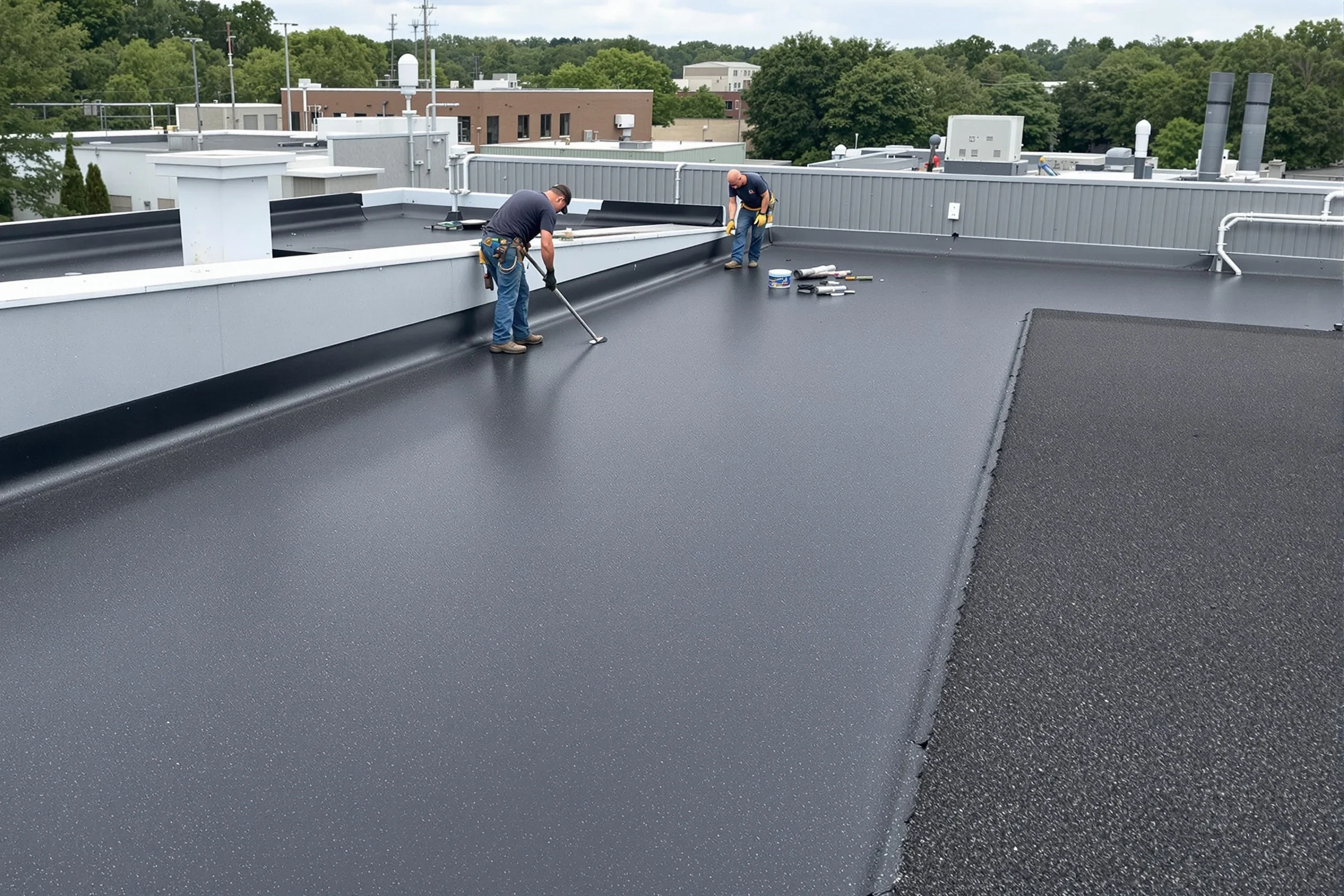
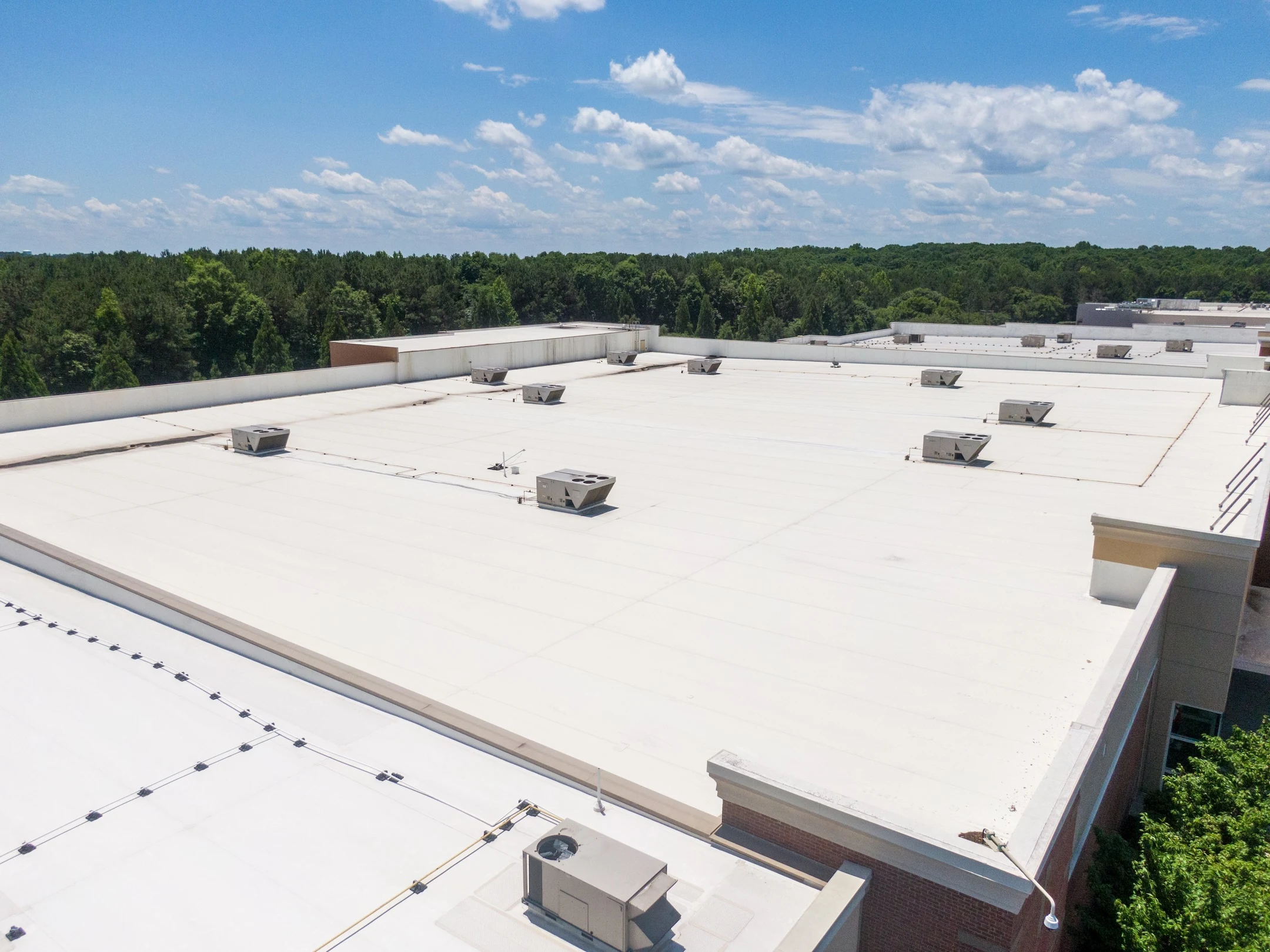
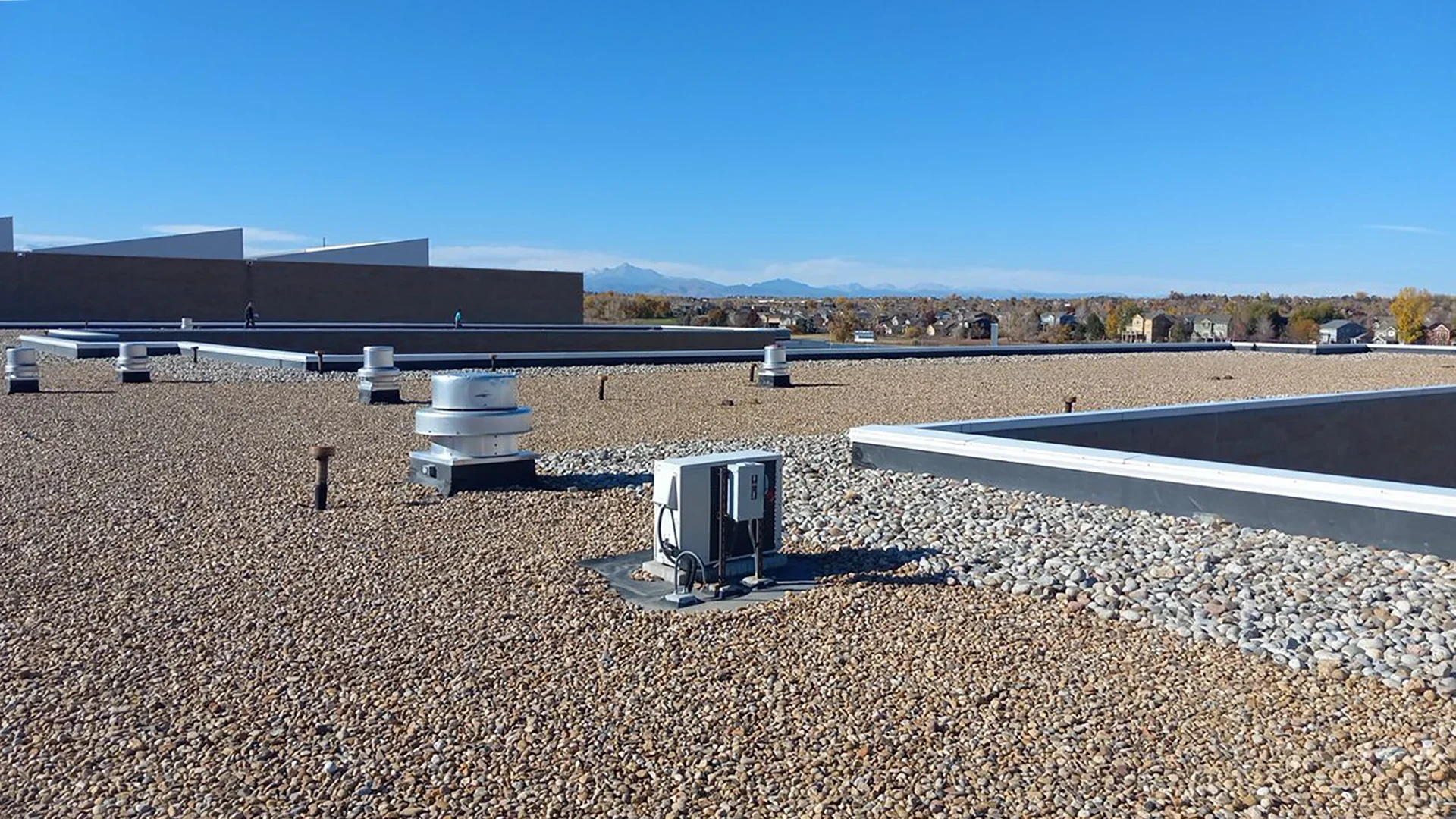
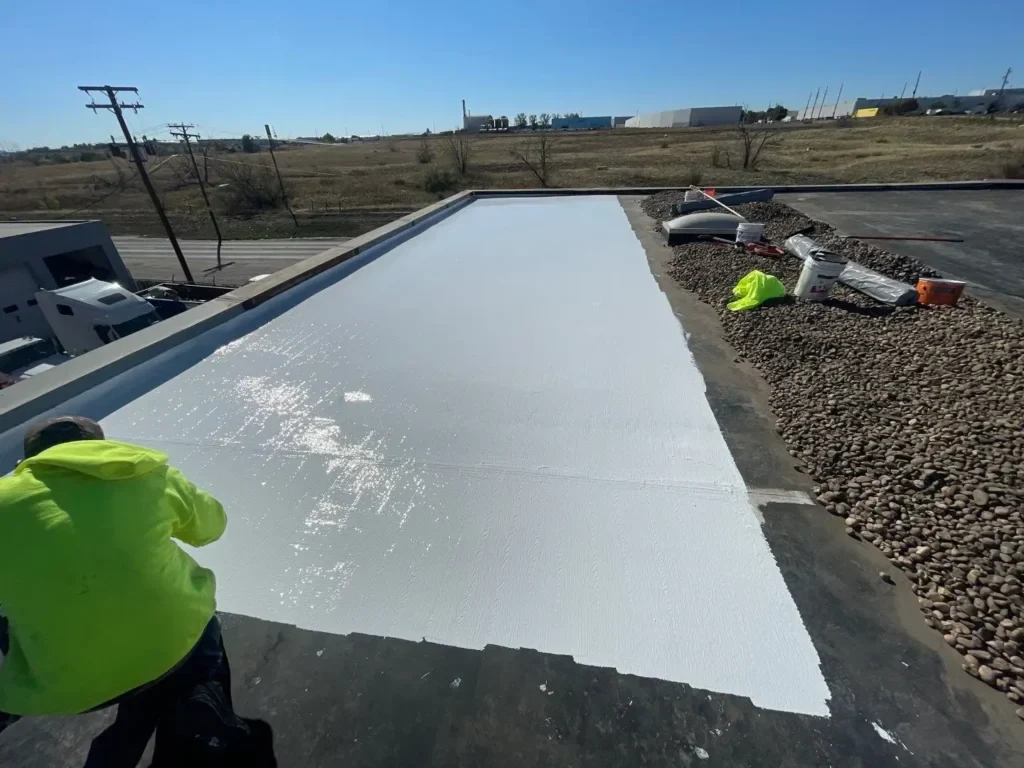
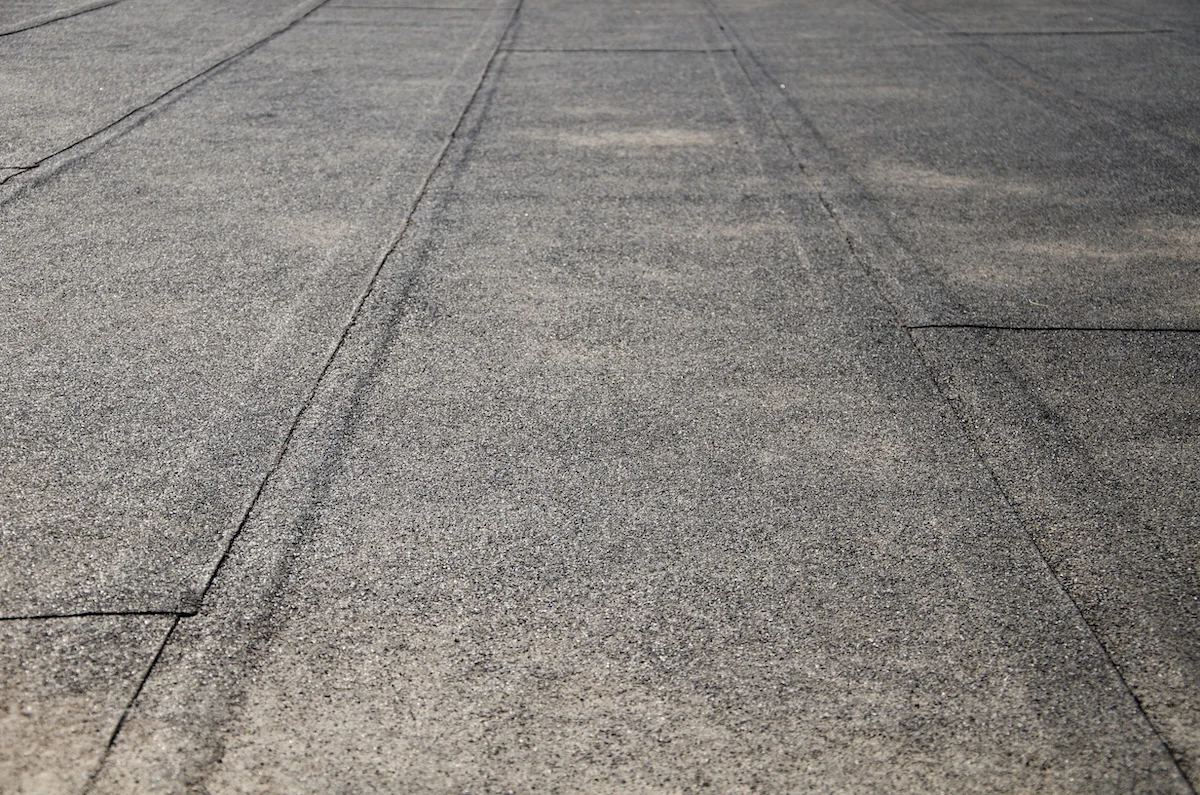
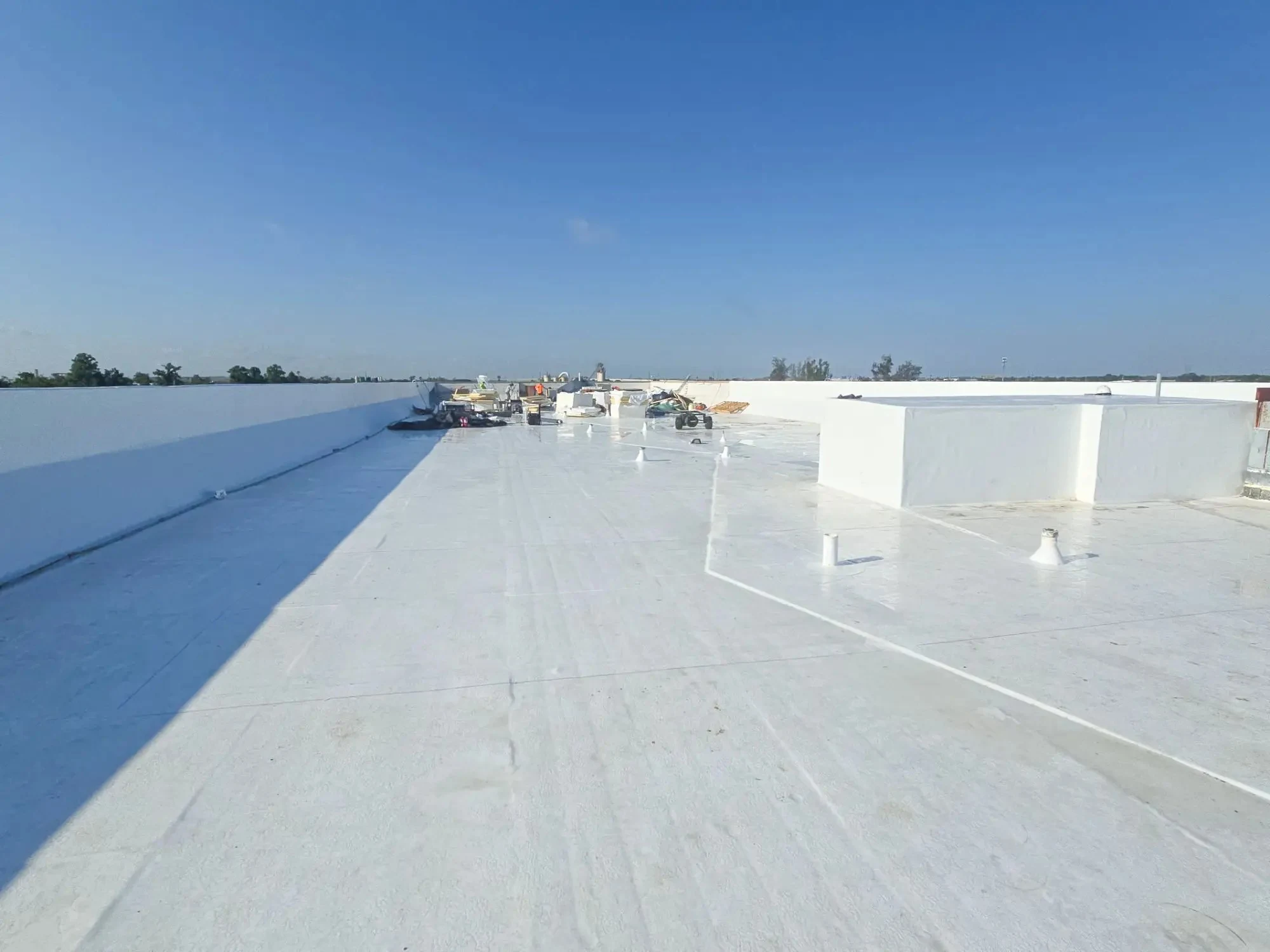
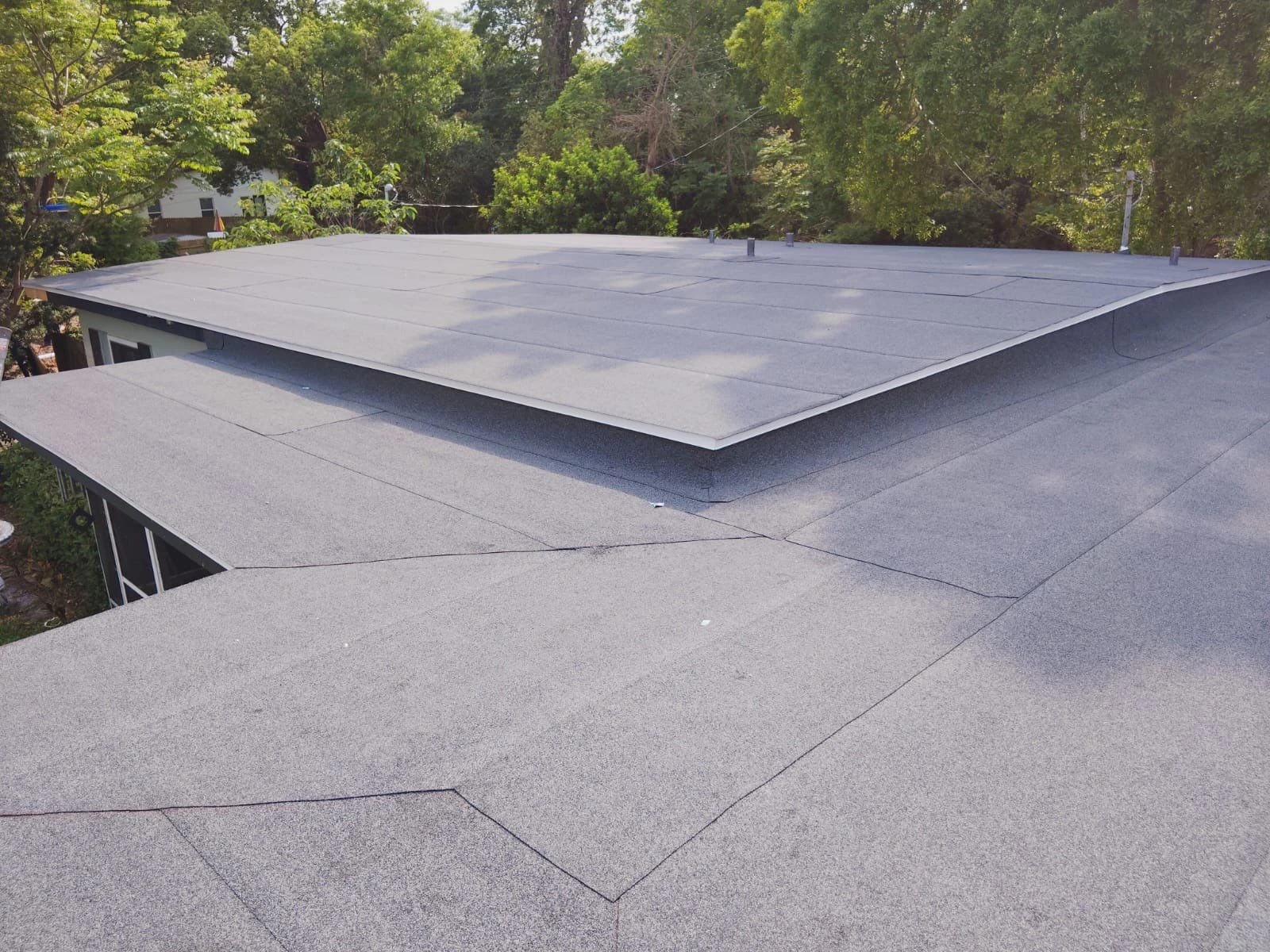
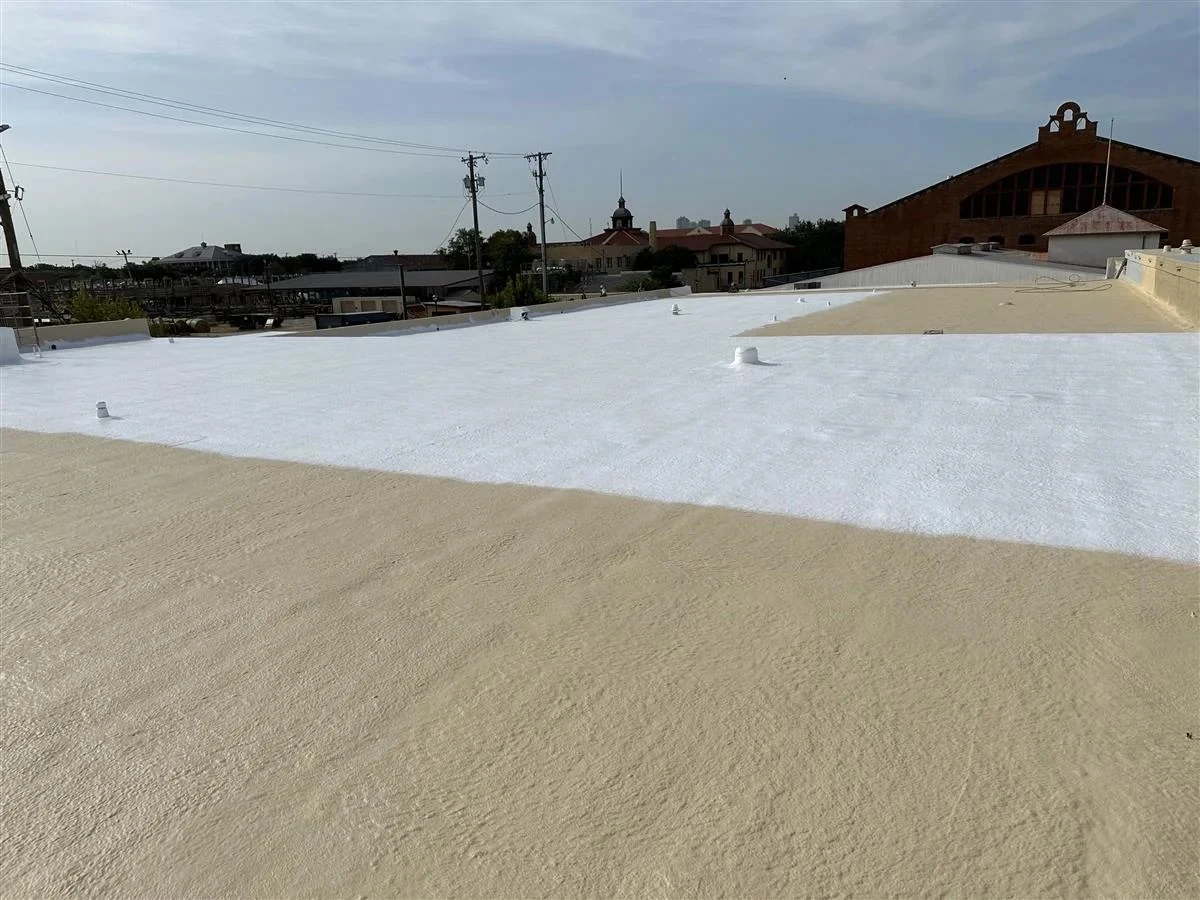
60-Mil TPO Membrane Systems for Central Pennsylvania Flat Roofs
Sixty-mil is the membrane thickness we spec most often on the single-story roof fields that run the length of the I-81 and I-83 warehouse belt through Carlisle and Mechanicsburg. It's the point where puncture resistance, wind-uplift performance, and material cost line up for buildings that frequently exceed 100,000 square feet under one roof.
Why 60-Mil Gauge Matters on Long-Span Warehouse Roofs
ASTM D6878 governs the manufacturing tolerances for TPO sheet, and 60 mil is the minimum gauge most general contractors and property managers in this corridor will accept on a distribution-center bid package. Thinner membranes save on material cost up front, but they give up puncture margin against the kind of traffic these roofs actually see: racking crews, HVAC service techs, and rooftop solar contractors walking the field without always staying on designated paths.
On a warehouse with a 400,000-square-foot footprint, that field traffic adds up over a 15- to 20-year service life. We treat 60 mil as the floor for new construction and full tear-off replacement, not a compromise.
Attachment Methods for Distribution-Center Roof Fields
Mechanically attached systems, where the membrane is fastened through plates into steel deck at engineered spacing, remain the most common method on new-construction warehouse shells because they install fast over large open fields. The plate pattern gets tighter at corners and perimeters, where wind uplift pressures are highest per ASCE 7 zoning.
Fully adhered systems cost more in labor and adhesive but eliminate the ridging that mechanically attached membranes can show, which matters on buildings with rooftop-visible parapets or on projects where the owner wants a flatter finished appearance. Induction-welded plate systems split the difference: fasteners sit under the membrane rather than penetrating the top surface at each plate, which reduces the number of exposed weld points a crew has to probe during quality control.
Deck type factors into this decision as much as building geometry. Steel deck accepts standard plate-and-fastener patterns without much complication, but on buildings with lightweight insulating concrete or gypsum deck, we adjust fastener pull-out testing and, in some cases, the attachment method entirely to account for reduced holding power in that substrate.
Drainage and Snow Load on Wide-Open Roof Fields
Central Pennsylvania runs a real freeze-thaw cycle every winter, and on a warehouse roof measured in acres rather than squares, drainage design carries as much weight as membrane selection. Ground snow loads for Dauphin, Cumberland, and Lebanon counties factor directly into structural and drainage sizing under ASCE 7, and a roof that ponds meltwater against a parapet in February is a roof that's going to leak by spring.
On every 60-mil TPO scope we detail drainage components before we talk membrane color or seam pattern:
- Internal roof drains sized to the local rainfall intensity, not a generic table value
- Secondary or overflow scuppers set per IBC 1611 to handle a blocked-primary scenario
- Tapered insulation cut to positive slope, eliminating flat "birdbath" zones
- Heat-traced drain leaders through unheated mechanical mezzanines and cold-storage anterooms
- Reinforced flashing at parapet-to-field transitions where ice tends to dam first
Skipping any one of these on a roof this size shows up as a call-back within the first two winters, which is more expensive than specifying it correctly the first time.
Warranty Structure and Certified Installation
Manufacturer no-dollar-limit warranties on 60-mil TPO require the installing crew to hold current certified-applicator status with that specific manufacturer. Membrane brand and installer certification travel together on the warranty document, and a mismatch between the two is one of the most common reasons a warranty claim gets denied later.
We run seam quality control with a probe on every hot-air weld before a section is turned over, and on larger warehouse scopes we bring in third-party weld inspection to document coverage for the owner's closeout file. Warranty term length is tied to gauge and attachment method, and reduced gauge or non-standard attachment can shorten what's offered, which is worth confirming before a bid is finalized rather than after.
We also keep a copy of the installation record, weld logs, fastener pull-test data, and drainage detailing, on file separately from what we submit to the manufacturer, so a facilities team has a complete reference even years later when a roof consultant is evaluating remaining service life or planning a future recover.
60-Mil TPO Questions From Facility Owners
What wind-uplift rating does 60-mil TPO carry on a typical warehouse?
It depends on attachment method and building geometry. Mechanically attached fields commonly carry an FM 1-90 rating; fully adhered or induction-welded systems can be engineered higher on buildings with tall parapets or corner-heavy roof shapes. A design professional stamps the final uplift rating against the specific building.
Is 60-mil enough for a roof with heavy rooftop equipment traffic?
Usually, if walkway pads protect the access routes to rooftop units. On roofs with constant service traffic to chillers, RTUs, or exhaust equipment, we often recommend 80-mil membrane in those wear zones even when the rest of the field stays at 60 mil.
How long does a properly installed 60-mil TPO roof last?
Manufacturer NDL warranty terms on 60-mil systems typically run in the 15- to 20-year range depending on attachment method and rooftop exposure. Actual service life depends heavily on maintenance and how well the drainage design was executed at install.
Can 60-mil TPO be installed over an existing roof instead of a full tear-off?
Code allows one recover layer over most existing low-slope roofs, provided the existing substrate is dry and structurally sound. We evaluate the existing deck and insulation before recommending recover over tear-off on any project.
Does membrane color matter in Pennsylvania's climate?
White TPO reflects more solar heat in summer, which helps cooling load, but our winters carry real heating-degree days too. Insulation R-value in the roof assembly matters more to winter performance than membrane color does.