
Service Areas
Commercial Roofing
Harrisburg, PA
Harrisburg, PA
Commercial Roofing Contractors Highspire, PA
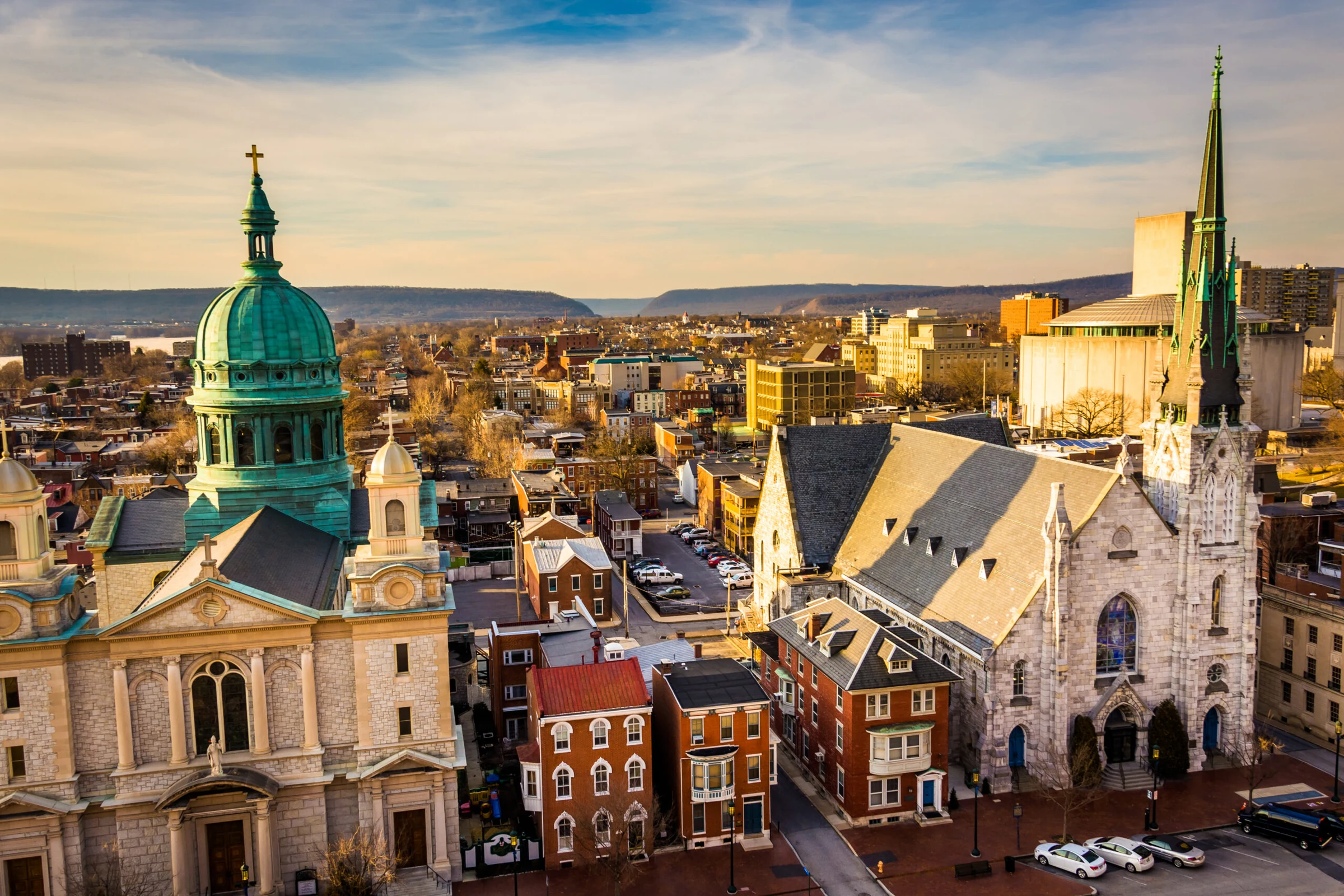
Commercial Roofers in Highspire
For commercial properties in Highspire, the defensible choice between repair, restoration, and replacement starts with roof-system condition, moisture findings, drainage performance, and remaining service life. Highspire runs along the Susquehanna River just north of Harrisburg International Airport, a narrow industrial and light-commercial strip squeezed between the rail corridor and the riverbank. The buildings here tend to be older, smaller-footprint industrial and warehouse structures than the mega-distribution centers further out along I-81, and that combination of age, site constraints, and river proximity shapes almost every roofing decision we make in Highspire.
Small and Mid-Size Industrial Roofing Along the Riverfront
Highspire's industrial buildings sit on narrow lots between the rail line and the river, which limits staging area for material delivery and equipment access more than a typical suburban industrial park would. We plan crane placement and material staging around these site constraints before mobilizing rather than discovering the problem once a delivery truck can't get positioned where the drawings assumed it could.
Roof age is the other consistent factor. A large share of Highspire's low-slope roofs are original built-up or early modified bitumen systems installed decades ago, and most are now candidates for either a code-triggered tear-off or a carefully evaluated recover, depending on deck condition and existing layer count.
Flood Plain and Moisture Considerations for Riverfront Buildings
A number of Highspire parcels sit within or near the mapped Susquehanna flood plain, and while flood designation primarily affects ground-level construction and insurance requirements, it also signals a site where moisture management at the roof deserves extra attention. Low parapets on older buildings here are a common source of water intrusion during heavy rain, since a parapet that's marginal to begin with gives standing water less room to clear before it finds a gap in the flashing.
We size drain and scupper capacity to current stormwater standards on every reroof in this corridor, since flat topography along the river gives water less natural fall to work with than a sloped inland site would.
Proximity to Harrisburg International Airport
Highspire's location just north of the airport puts a number of buildings within the airport's height and obstruction review area, which can affect rooftop equipment height on new installations even though it rarely affects roofing material itself. For tenants running time-sensitive logistics or air-cargo-adjacent operations out of buildings here, we also prioritize scheduling flexibility, since a business tied to flight or freight schedules can't absorb an open roof section sitting exposed overnight the way a standard warehouse tenant might.
- Small and mid-size industrial building roofing
- Riverfront warehouse roofing with flood plain drainage design
- Light commercial and office building roofing along the strip
- Logistics and air-cargo-adjacent facility roofing near the airport
- Recover and tear-off evaluation for older built-up roofs
Recover Strategy for Older Strip Buildings
Layer count and insulation level are the two factors that decide whether a Highspire building qualifies for a recover or needs a full tear-off, the same code triggers that apply anywhere in the region. What's different here is how often deck condition tips the decision, since older buildings this close to the river have a higher rate of hidden deck corrosion than similarly aged buildings further inland. We treat a test-cut deck inspection as a required step rather than an optional add-on for any Highspire recover proposal.
Where a deck shows early-stage corrosion but still tests structurally sound, we've used localized deck repair paired with a full recover rather than jumping straight to structural replacement, which keeps a project affordable for owners of these smaller industrial buildings without compromising the new roof system's performance. That decision only gets made after the test-cut data is in hand, never as a default assumption going in.
Manufacturer Specification and Wind Uplift for the Open River Corridor
The open river valley exposes Highspire's roofs to wind conditions that can exceed what a sheltered inland site experiences, so we calculate wind uplift design pressures under ASCE 7 specific to each building's exposure category rather than assuming a standard regional rating applies. We install under Carlisle Syntec, GAF Commercial, and Versico programs, with fastening patterns and perimeter and corner zone detailing specified to match the calculated uplift pressure for that building.
Corner and perimeter zones carry the highest uplift pressure on any low-slope roof, and on a narrow riverfront lot those zones can cover a larger share of total roof area than on a wide inland building, since the exposed edge runs close along more of the perimeter. We adjust fastener spacing in those zones specifically rather than using a uniform pattern across the whole field.
Roofing Questions for Highspire's Riverfront Buildings
Does flood plain designation affect my roof insurance or code requirements?
Flood designation mainly affects ground-level construction and insurance, but it's also a signal we use to prioritize deck inspection and drainage design on the roof itself.
Why do older Highspire roofs need a deck inspection before a recover?
Buildings this close to the river have a higher rate of hidden steel deck corrosion than similar buildings further inland, so we treat test cuts as a required step, not optional.
Does proximity to the airport limit rooftop equipment?
Some buildings fall within the airport's height and obstruction review area, which can affect equipment height on new installations. We check this before finalizing equipment placement.
How is wind uplift calculated for river corridor buildings?
We calculate uplift pressures under ASCE 7 based on each building's specific exposure category rather than applying one regional standard across the corridor.
What's the biggest cause of leaks on Highspire's older buildings?
Low parapets with marginal flashing are the most common source of water intrusion we find during heavy rain events in this corridor.