
Service Areas
Commercial Roofing
Harrisburg, PA
Harrisburg, PA
Commercial Roofing Contractors Boiling Springs, PA
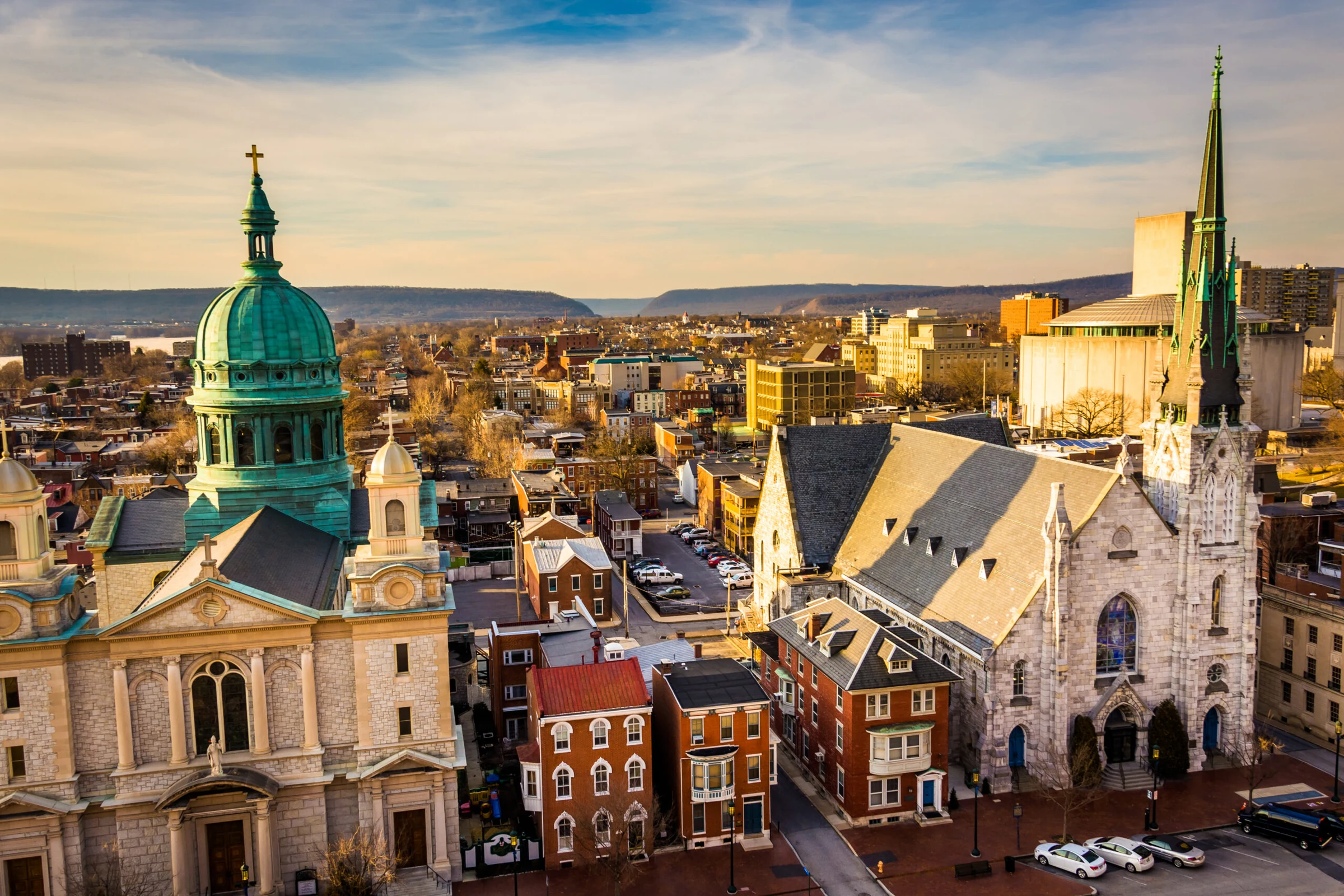
Commercial Roofers in Boiling Springs
A practical commercial roofing plan for Boiling Springs properties separates urgent leak control from repair, coating, maintenance, and replacement decisions supported by photos and condition findings. Boiling Springs is a small, distinctive Cumberland County village centered on its spring-fed lake, with a compact retail and dining core, the nearby Allenberry Resort, and steady foot traffic from hikers on the Appalachian Trail passing through. Its commercial roofing needs are modest in number, split between tourism-driven buildings and older village structures, and scheduling and scope look different for each group.
Village Retail and Dining Around the Lake
The small cluster of retail and dining buildings around Boiling Springs Lake are mostly older structures with flat or low-slope roofs, some behind decorative facades that don't reveal much about the roof system underneath. Foot traffic through the village is seasonal and tourism-driven, which means these buildings' revenue is concentrated in warmer months, and roof downtime during that window costs an owner more than it would in the off-season.
We schedule non-emergency work at these village buildings for the shoulder or off-season where possible, factoring in the tourism calendar the same way we'd factor in a manufacturing plant's production schedule.
Allenberry Resort-Area Hospitality Roofing
Allenberry Resort's presence brings a hospitality dimension to Boiling Springs that a village this size wouldn't otherwise have, event space, lodging, and dining buildings with the equipment density typical of hospitality roofs generally: kitchen exhaust, larger HVAC systems, and roofs that need to hold up through both event schedules and seasonal weather.
We approach hospitality-adjacent roofs here the way we would any event or lodging property, with attention to scheduling around booked dates and the added rooftop equipment load that comes with commercial kitchen and event operations.
What We Check on Village and Hospitality Roofs Here
Across Boiling Springs' village and hospitality buildings, our inspection typically covers:
- Membrane condition behind decorative facades on older village storefronts
- Kitchen exhaust and HVAC curb flashing on hospitality buildings
- Drainage function given the lake's proximity and elevated ambient moisture
- Roof access and walkway condition for buildings with frequent event use
- Seam integrity on any roof approaching or past its expected service life
A village this small doesn't generate a high volume of roofing work, but the buildings that are here, particularly the hospitality-scale ones, carry real equipment and usage demands that deserve the same attention as a larger commercial account.
Lake Proximity and Moisture Considerations
Being built directly around a spring-fed lake gives Boiling Springs a persistent moisture presence that affects nearby roofs similarly to a riverfront location, elevated ambient humidity that can accelerate membrane aging if drainage isn't properly maintained. We watch drain and scupper performance closely on buildings closest to the water.
It's a subtler factor than storm damage or wind exposure, but over years it shows up as faster-than-expected wear on roofs that otherwise look properly installed and maintained.
Appalachian Trail Foot Traffic and Seasonal Wear on Storefronts
The Appalachian Trail's proximity brings a steady stream of hikers through the village during trail season, and while that traffic doesn't directly affect roof condition, it does drive the seasonal revenue pattern that shapes when village business owners can tolerate roofing downtime. We plan around that pattern rather than defaulting to whatever's most convenient for our own schedule.
For village owners planning a roof project, timing it for the off-season is usually the difference between a manageable disruption and a real hit to the year's revenue.
Small Retail Ownership and Seasonal Cash Flow
Village retail and dining owners here are almost always managing a single building rather than a portfolio, and seasonal cash flow concentrated in warmer months means a roofing decision has to account for when revenue is actually available to fund it. We're upfront about cost and timing tradeoffs so an owner can plan a project around the village's actual seasonal rhythm rather than a generic contractor schedule.
That kind of planning conversation happens less often in a market with steadier year-round revenue, but it's a routine part of how we scope work in Boiling Springs specifically.
We also flag when a phased repair approach can bridge an owner through one more season without compromising the roof's integrity, since sometimes the right answer is a stabilizing repair now and a full replacement scheduled for the following off-season rather than an immediate large expense.
Questions From Boiling Springs Village and Hospitality Owners
Can you schedule roof work around Boiling Springs' tourist season?
Yes, we plan non-emergency work for the shoulder or off-season where possible, since revenue at these village buildings is concentrated in warmer months.
Do you handle hospitality-scale roofing for a resort or event venue?
Yes, we approach hospitality-adjacent roofs with attention to booked event dates and the added kitchen and HVAC equipment load those buildings carry.
Does being near the lake affect roof wear the way a riverfront location would?
It can. Elevated ambient humidity near the lake accelerates membrane aging over time if drainage isn't properly maintained, so we watch drain performance closely on nearby buildings.
How do you inspect a roof behind an older decorative village facade?
We look past the facade to the actual membrane condition underneath, since decorative fronts don't tell you much about the roof system's real state or how many years of service life it has left.
Is there much new commercial construction happening in Boiling Springs?
Very little. It's a small, established village, so most of our work is maintenance and repair on existing village and hospitality buildings rather than ground-up projects.