
Commercial Project Types
Commercial Roofing
Harrisburg, PA
Harrisburg, PA
Warehouse Roofing in Harrisburg, PA
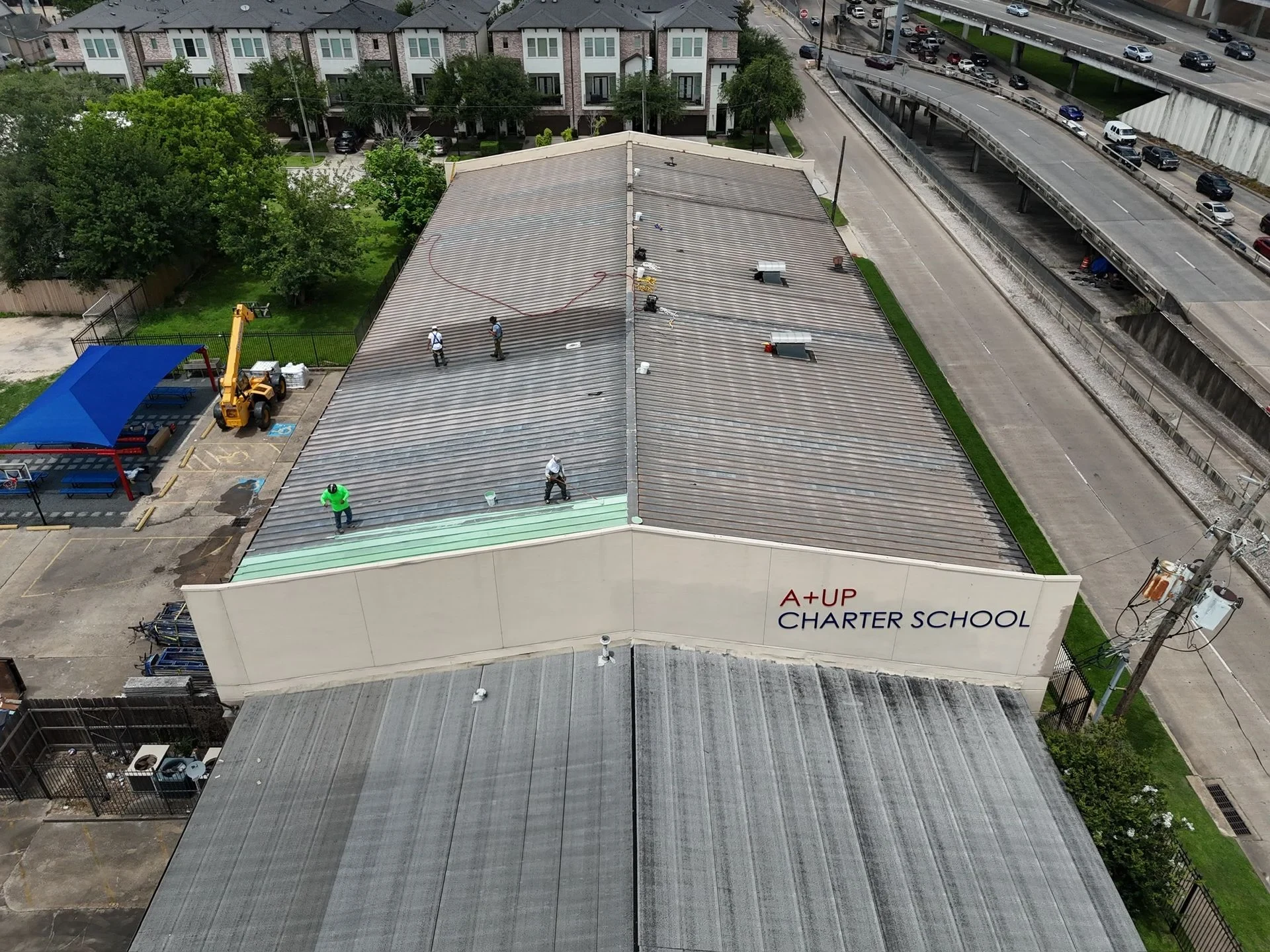
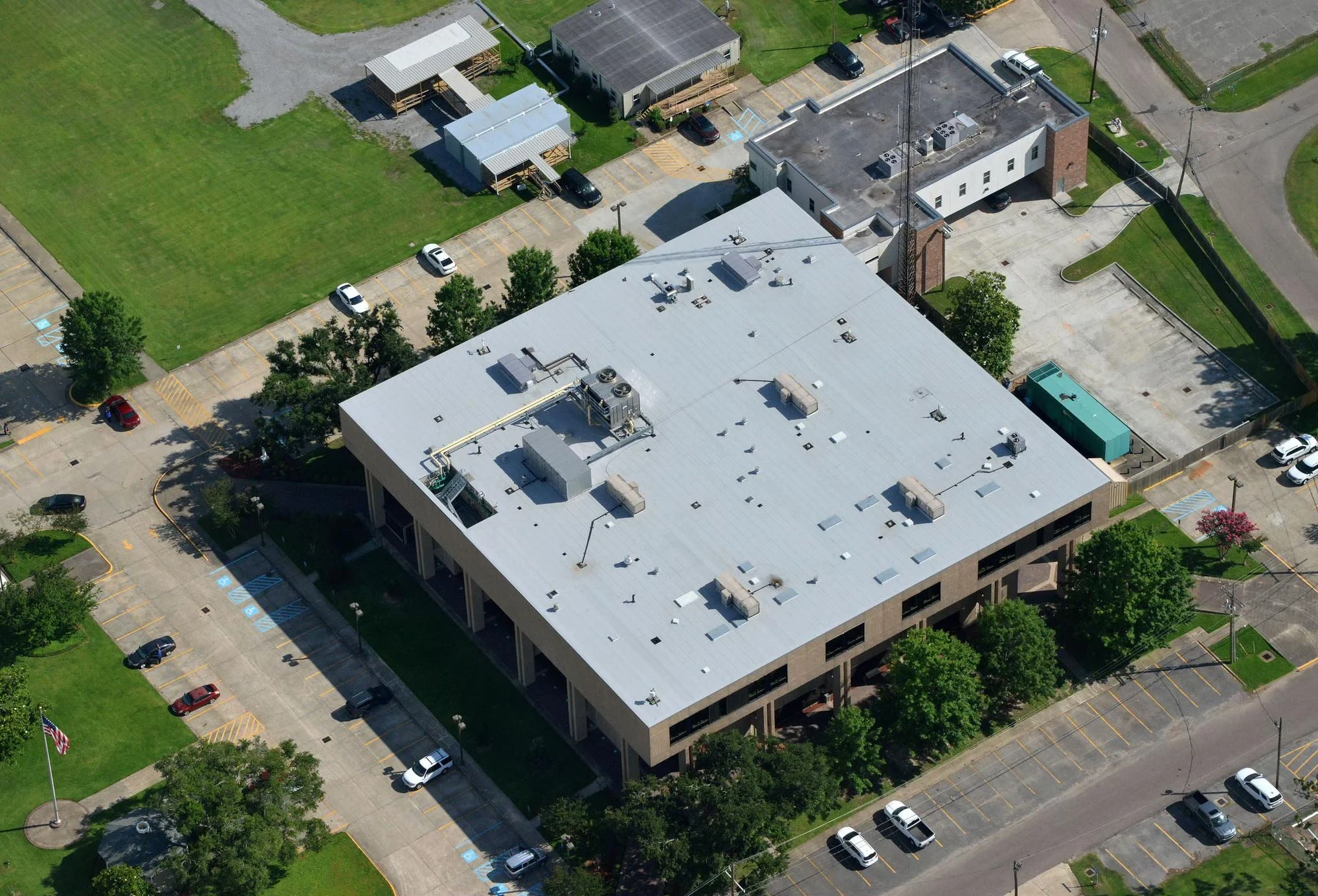
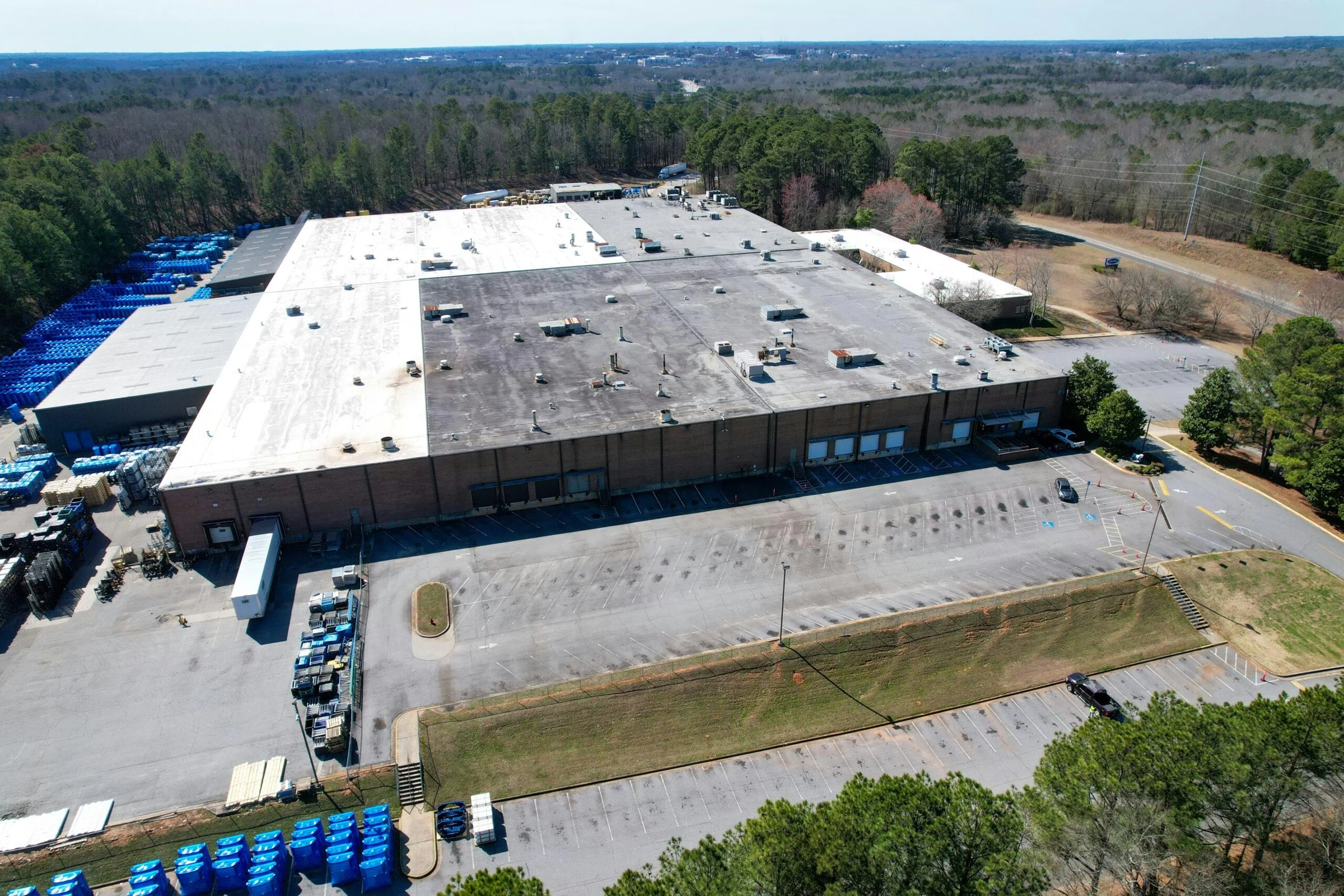
Older Warehouse Stock Along the Rail and River Lines
Not every warehouse roof in this market is new construction on an I-81 pad site. A large share of the region's flat-roof inventory sits on older, smaller buildings served by rail rather than tractor-trailer, and those roofs come with different deck conditions, different ownership, and often no manufacturer warranty left to work under.
Rail-Served Buildings Carry Different Deck Histories
Warehouse buildings clustered near the Norfolk Southern Enola Yard and along the Steelton riverfront near the Cleveland-Cliffs mill were largely built for a different era of freight handling, and many still carry the original steel or wood-plank deck under one or two layers of roofing added over decades. Before we recommend a system, we pull a core sample to confirm deck type, insulation condition, and how many roofing layers are already present, since code limits on the number of existing roof layers can force a full tear-off regardless of what the owner would prefer to spend.
Swatara Township's newer stock along the I-283 spur runs closer to the metal-deck, single-ply construction common on distribution buildings, so we treat that submarket separately from the older rail-adjacent warehouses even though both fall under the same warehouse-roofing category. A building permitted in the last decade rarely needs the same layer count and deck-condition scrutiny that a 1960s rail warehouse does, and pricing the two the same way misleads the owner on either end.
We also see a fair number of buildings that were expanded in phases over the years, with a newer addition tied into an older roof field at a common wall. Those tie-in seams are worth inspecting on their own, since the two roof sections often have different ages, different systems, and different drainage slopes meeting at a single vulnerable line.
Multi-Tenant Ownership Changes Who Approves the Work
A significant share of warehouse buildings in this market are subdivided among several small tenants under one landlord, which means a roof leak over one tenant's space can sit in a gray area between landlord capital responsibility and tenant lease terms. We document which roof area is affected and cross-reference it against the lease boundary the property manager provides, since that determines who authorizes the repair and who receives the invoice.
What We Check Before Recommending Recover Over Replacement
A recover system only makes sense when the roof underneath can actually carry it, and that has to be verified rather than assumed on buildings of this age.
- Moisture scan or core sample results showing whether insulation is dry enough to recover over
- Existing layer count against the two-layer limit most codes and manufacturers allow
- Fastener pull-test results on the deck, particularly on older steel decks near the riverfront
- Drain and scupper condition, since undersized drainage on an older building often predates current code
- Structural capacity for an added recover layer versus a lighter coating system
- Remaining useful life of rooftop mechanical units that would need to be reset during the work
Coatings as a Budget Bridge, Not a Permanent Fix
Silicone and acrylic coating systems come up often on this older warehouse stock, usually from an owner trying to stretch capital before a full reroofing project is scheduled. We treat a coating as a documented interim measure with its own inspection and reapplication schedule, not a substitute for addressing a deck that has reached the end of its service life. Where the substrate is sound, a coating can add several years of watertight service at a fraction of tear-off cost, and we say so plainly when the data supports it.
Freeze-Thaw and River Humidity on the Steelton and Highspire Stretch
Warehouse roofs along the Susquehanna between Steelton and Highspire deal with a humidity load off the river on top of the standard central Pennsylvania freeze-thaw cycle, which accelerates membrane fatigue at seams and penetrations faster than the same system would age on higher, drier ground. We inspect seam integrity more frequently on buildings in this stretch as part of any preventive maintenance program rather than defaulting to a standard annual visit.
Warehouse Roofing Questions From Landlords and Facility Managers
How do you determine if a warehouse roof qualifies for recover instead of full replacement?
We start with a core sample and moisture scan. If the deck is structurally sound, insulation is dry, and the building has not already reached its allowed layer count, recover stays on the table as an option alongside full replacement.
Who is responsible for roof repairs in a multi-tenant warehouse building?
That depends on the lease structure, and we document exactly which roof area is affected so the property manager can apply it against the correct lease terms rather than guessing.
Is a coating a real long-term solution or just a delay tactic?
It depends on the substrate. Over a sound deck with dry insulation, a coating system can provide several years of documented watertight service. Over a saturated or failing deck, it only delays a tear-off that will eventually be needed anyway.
How often should an older rail-served warehouse roof be inspected?
We generally recommend semiannual inspections on buildings over twenty years old near the river corridor, given the added humidity and freeze-thaw exposure, versus an annual schedule for newer inland stock.
Can you work around active rail or dock loading during a reroofing project?
Yes. We sequence material staging and crew access around the building's active loading schedule and coordinate directly with whoever manages the rail siding or dock operation.